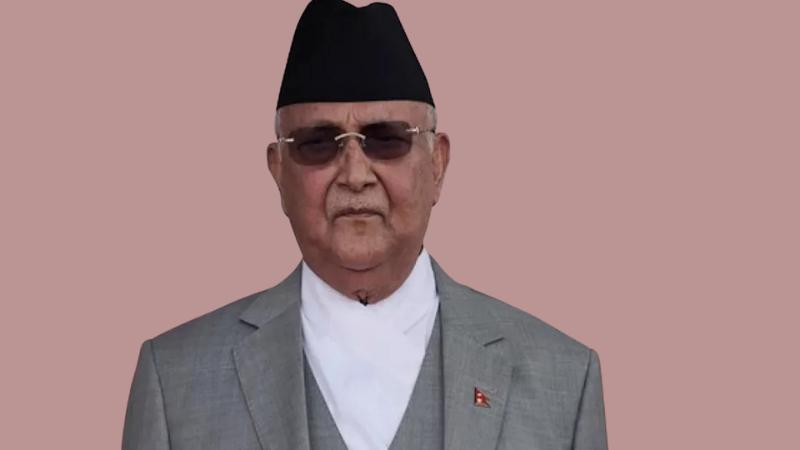
Nepal’s political crisis reached a breaking point on Tuesday after Prime Minister KP Sharma Oli resigned in the wake of two days of violent anti-corruption protests that killed 19 people and injured over 100. Oli’s aide, Prakash Silwal, confirmed the resignation to Reuters as visuals showed the embattled leader being flown out of Kathmandu in a military helicopter. The announcement marked a dramatic escalation in the Himalayan nation’s unrest, which began as a protest against a social media ban but quickly morphed into a nationwide movement against corruption, nepotism, and government failure.
Earlier in the day, Oli chaired an emergency meeting with Nepal’s political parties, stressing that violence was not in the country’s interest and calling for peaceful dialogue. However, the Gen Z-led protesters, who had made his resignation their central demand, showed no signs of backing down. They stormed Parliament, torched government offices, and set fire to the private residences of Oli and President Ram Chandra Poudel. Sources suggest it is only a matter of time before President Poudel also steps down, raising fears of a complete government collapse.
The capital turned into a virtual war zone, with plumes of thick smoke from burning vehicles blanketing the skyline and mobs of young men and women clashing with police in pitched battles. Tribhuvan International Airport was partially shut down as fires near the runways reduced visibility. Protesters carried placards demanding an end to corruption and the restoration of social media platforms, chanting slogans like “Stop corruption, not social media” and “Youth against corruption.”
The government had rolled back the controversial ban on Facebook, X, and YouTube, but the gesture did little to calm the outrage. Social media instead became a tool of protest, with hashtags like #NepoBabies and #PoliticiansNepoBabyNepal trending as demonstrators accused the administration of nepotism and unfair privileges for the children of the powerful.
As police failed to contain the violence, the Nepal Army was deployed to restore order. Reports from The Kathmandu Post indicated that remaining government members were being evacuated amid escalating chaos. Observers compared the crisis to the political meltdowns in Sri Lanka in 2022 and Bangladesh in 2024, where anti-corruption uprisings toppled governments and ushered in military involvement.
For many young Nepalis, the protests represent a fight for a better future—free from systemic corruption, nepotism, and stagnation. “We want a corruption-free country where everyone has equal access to education and healthcare,” protester Robin Sreshtha told local media.
With Oli’s resignation, the future of Nepal’s government remains unclear. While the presidency technically holds executive authority, analysts believe a full political overhaul may be imminent, with the Army maintaining control until a new government can be established.