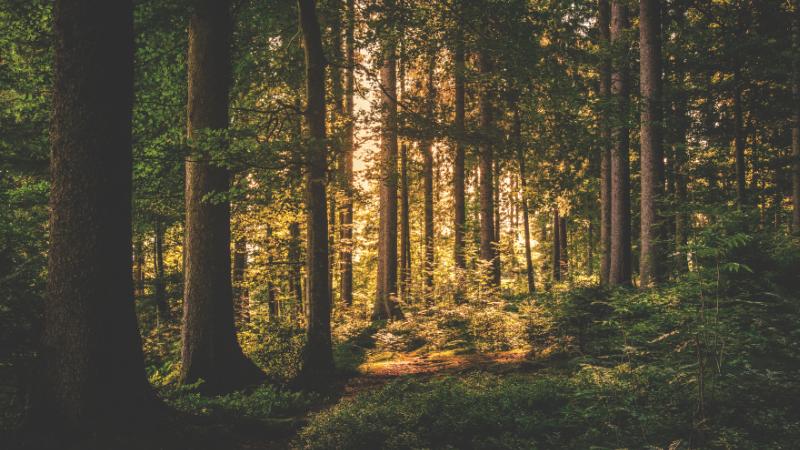
The 100-acre parcel of land was acquired decades ago by the state for a now-defunct freeway bypass around the unstable Devil’s Slide area. Over the years, it has been largely neglected, and the unchecked vegetation has grown into a dense, fire-prone forest. In 2023, De Young received notice that his homeowners insurance was being canceled due to the increasing fire risk—a risk, he argues, that is largely caused by the unmanaged land across the road.
Despite De Young’s efforts to clear and maintain defensible space around his property, he says the state has failed to uphold its responsibility to manage the land it owns. In response, he and more than 100 neighbors have formed a local group pushing for fire mitigation measures on the overgrown parcel. They believe the agency responsible has a legal and moral obligation to act before disaster strikes.
A regional fire division chief acknowledged the area’s risk and noted that crews have thinned trees near homes in the past. However, the vegetation quickly returns, often thicker than before. The official noted that long-term fire safety will only come from removing the non-native species entirely. Unfortunately, that solution is complicated by environmental regulations protecting both the trees and the habitat they now support.
The land is considered critical habitat for two endangered species: the California red-legged frog and the San Francisco garter snake. These species are protected by both state and federal law, and the dense vegetation provides essential cover and ecosystem stability. Officials caution that entering the land to clear trees could physically endanger these animals.
While recent state orders seek to speed up fire mitigation by exempting certain projects from coastal regulations, it's still unclear whether the Montara site qualifies. The state transportation agency has said it is reviewing the land to determine if it meets the exemption criteria. Even with that exemption, work would still be subject to other environmental protections, meaning any mitigation effort would need to carefully balance fire prevention with the preservation of sensitive habitats.
The agency has publicly stated it understands residents’ concerns, especially in light of increasingly severe wildfires statewide. It says it is working as quickly as possible to evaluate the site and conduct environmental reviews. If additional regulations apply, officials say they will try to protect natural resources while carrying out fire mitigation efforts.
For residents like De Young, that promise may not be enough. He believes that inaction could lead to catastrophe—not just for wildlife, but for the people who call Montara home. “If this burns up,” he said, “there will be no frogs, there will be no houses, there will be no trees.”
In a recent step toward accountability, local fire authorities issued formal violation notices to the state for failing to maintain the legally required 100-foot fire buffer around five homes located on the property. These homes, owned by the state, are subject to the same fire prevention regulations as private properties, and the notices serve as evidence that even government agencies are not exempt from basic fire safety rules.
Looking out from his property across the road, De Young remains determined. He and his neighbors have come together not just out of frustration, but out of a shared love for their community and a fear that it could be wiped away in a single wildfire. “I want this fixed,” he said. “I love where I live. There are over 100 people in our group who love where they live. So, it’s scary.”
With fire seasons growing longer and more dangerous each year, residents are calling for immediate, meaningful action to reduce the threat. They believe safety should come first—and that waiting for perfect solutions may come at too great a cost.