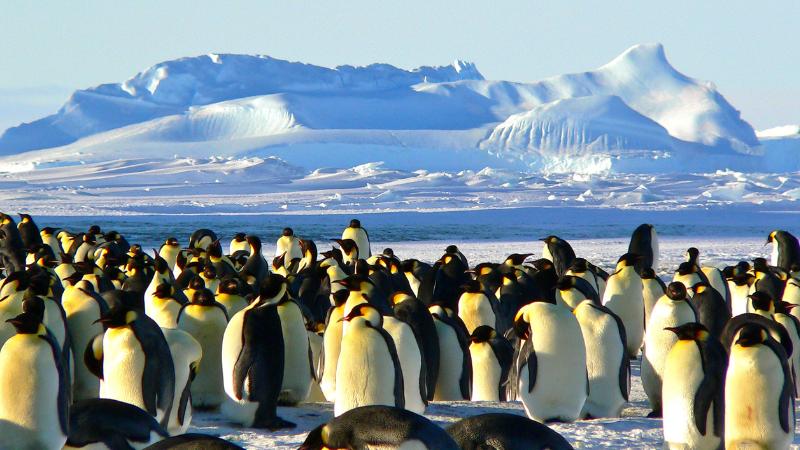
Emperor penguins, the largest of all penguin species, are facing an uncertain future as new scientific research highlights the accelerating impact of climate change on their habitat. Although these majestic birds live in the cold, remote expanses of Antarctica, far removed from industrial civilization, they are now suffering the consequences of a rapidly warming planet. A new report published in the journal Nature has raised alarm among scientists who have spent years monitoring the fragile existence of these birds, revealing disturbing changes in sea ice conditions that are crucial to their survival.
Dr. Birgitte McDonald, a marine biologist with Moss Landing Marine Laboratories who has been studying emperor penguins for over 15 years, expressed her deep concern over the findings. Her research focuses on how emperor penguins dive, swim, and forage in the harsh Antarctic environment. But now, the very ice that supports their breeding and feeding grounds is becoming increasingly unstable. McDonald noted that although the results of the study were not entirely unexpected, the speed at which changes are occurring in some regions is deeply troubling.
The study, conducted in collaboration with scientists from the British Antarctic Survey, relied on 15 years of satellite data to monitor 16 distinct emperor penguin colonies. These represent approximately one-third of the global emperor penguin population, making the findings a significant indicator of the species’ overall health. The satellite imagery allowed researchers to track changes in sea ice, colony locations, and breeding success. What they found was sobering: several colonies have experienced significant disruptions due to the premature breakup of sea ice, with some losing entire generations of chicks who rely on stable platforms of ice to survive their early months.
Emperor penguins depend on sea ice for nearly every aspect of their life cycle. It is where they mate, lay eggs, and rear their young. If the ice breaks apart before the chicks have grown enough to swim and hunt for themselves, entire breeding seasons can be lost. This dynamic ice environment has always been part of their lives, but warming temperatures are now shifting patterns at an alarming rate, making once-predictable ice formations increasingly unreliable. The current pace of melting, especially in regions where colonies were previously stable, indicates a wider systemic threat to the species’ long-term survival.
The recent findings add to a growing body of research indicating that emperor penguins could face near-extinction by the end of this century if global warming continues unchecked. The loss of sea ice affects not only breeding but also foraging behavior, as adult penguins are forced to swim farther to find food, expending more energy and returning less nourishment to their chicks. The resulting stress on both adults and young leads to declining survival rates and diminishing colony sizes.
Conservationists and climate scientists alike are urging global action to reduce carbon emissions and protect polar habitats. Emperor penguins are now being considered for further protection under endangered species listings, and there is a renewed push for international cooperation to safeguard Antarctic ecosystems. The report serves as a critical reminder that no place on Earth, no matter how remote, is immune from the reach of climate change.
For Dr. McDonald and other scientists dedicated to studying these remarkable creatures, the hope is that sharing this data and raising awareness can drive meaningful change. The plight of the emperor penguin has become a symbol of the broader environmental crisis unfolding across the planet. It underscores the urgent need for decisive action to address global warming, preserve biodiversity, and ensure that future generations can continue to witness the beauty and resilience of life in one of the world’s last wild frontiers.