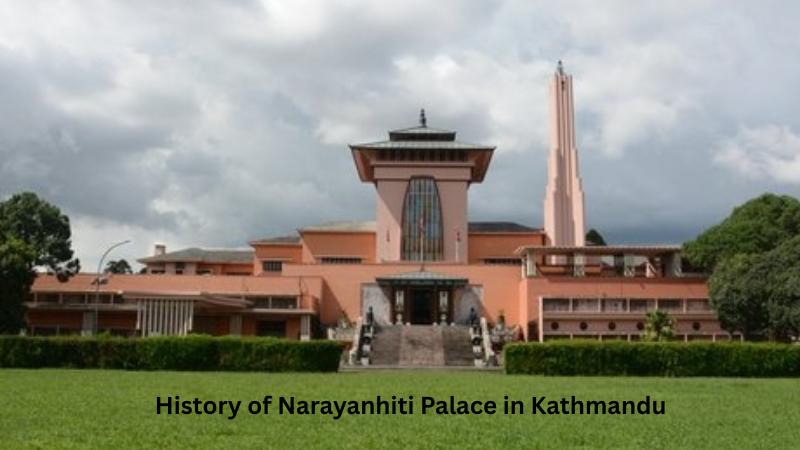
Narayanhiti Palace stands in the heart of Kathmandu, once the seat of Nepal’s monarchy and today one of the country’s most visited heritage museums. The palace, with its pink roofs and Nepali-inspired design, was not always what it looks like today. In the 1960s, King Mahendra ordered the construction of a new royal residence, replacing the older Rana-era building. American architect Benjamin Polk was tasked with designing the new palace. He combined traditional Nepali temple styles with modern architecture, resulting in a structure that features wide courtyards, a central tower, ceremonial halls, and private wings.
The new Narayanhiti was completed by the late 1960s and officially came into full use around 1970. For decades, it was the stage for state ceremonies, royal banquets, and day-to-day family life of the royal household. After Nepal abolished its monarchy in 2008, the palace was converted into the Narayanhiti Palace Museum. Today, visitors can explore royal state rooms, dining halls, the throne room, and even the vehicles and helicopters once used by the royal family. It now represents Nepal’s transition from dynastic rule to public heritage, standing in contrast to the bustling bazaars and ancient temples of Kathmandu.
The 2001 Royal Massacre That Shook Nepal
On June 1, 2001, Narayanhiti Palace became the site of one of the most shocking tragedies in modern Nepal. A family dinner at Tribhuvan Sadan, one of the palace wings, ended in bloodshed when Crown Prince Dipendra allegedly opened fire, killing King Birendra, Queen Aishwarya, and several members of the royal family. Dipendra himself was critically injured and later died. Official reports stated the massacre stemmed from a dispute between Dipendra and his parents, particularly his mother, over his wish to marry Devyani Rana, a union the family strongly opposed.
The killings devastated Nepal, sparking grief, conspiracy theories, and political instability. What had once been a symbol of pride turned into a place of sorrow. Today, the Narayanhiti Palace Museum not only preserves the grandeur of Nepal’s monarchy but also memorializes one of the darkest moments in the country’s history. For locals and tourists, it remains a site that blends cultural heritage with painful memory, reflecting Nepal’s journey from royal tradition to republican democracy.