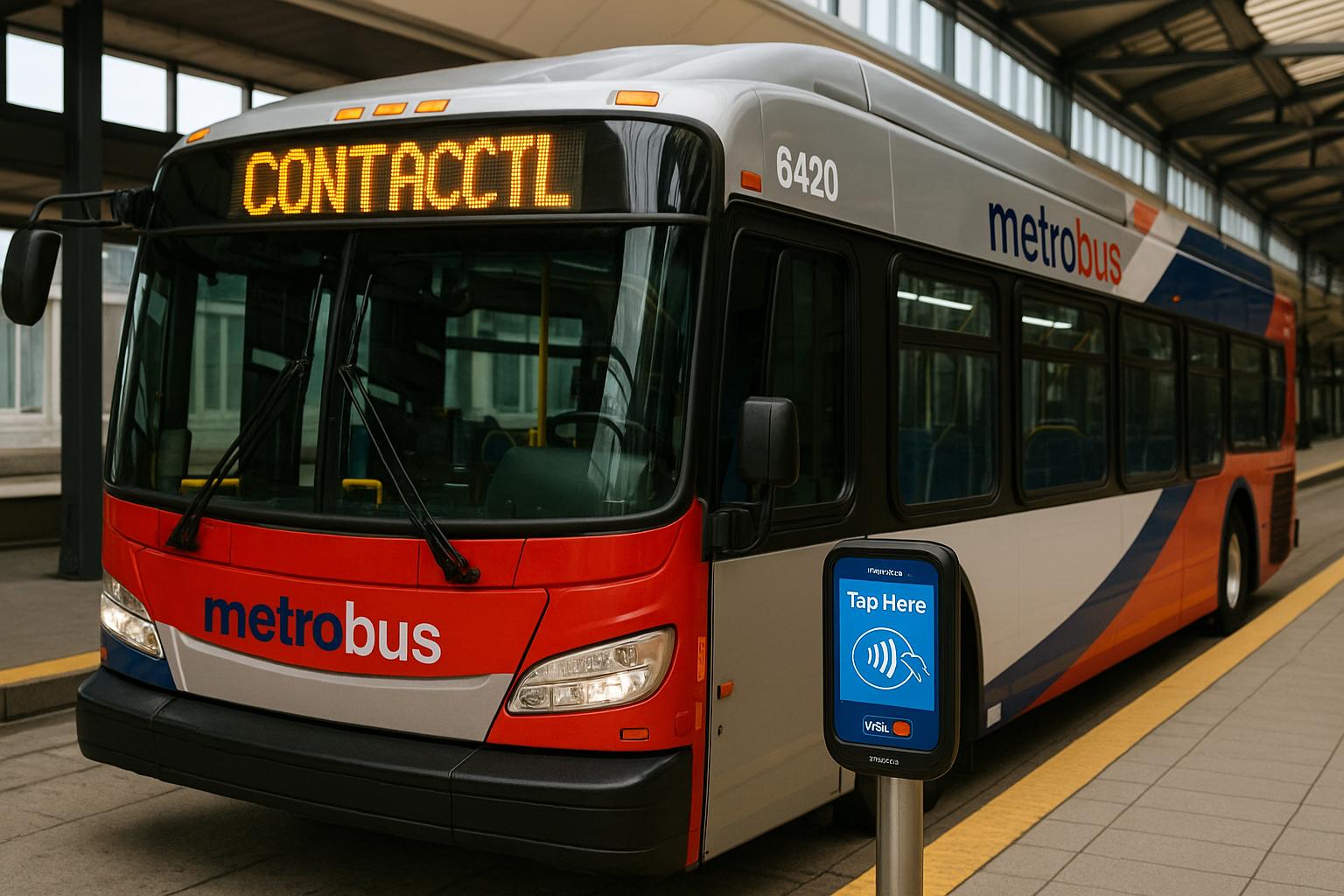
Under the new system, most Metrobus routes will continue to cost $2.25, while express services will cost $4.80. Transfers between Metrorail and Metrobus are now easier for those using the same card for both segments. Riders who tap the same contactless card or mobile device within a two-hour period will automatically receive a $2.25 discount when moving between rail and regular bus service. Although the discount does not apply to express routes, the streamlined process is expected to improve the overall experience for thousands who rely on intermodal travel.
WMATA General Manager and CEO Randy Clarke said the expansion is an important step toward making public transit more convenient and appealing for the region. He noted that Tap. Ride. Go. was created to remove barriers that discourage people from choosing transit and to help make Metro the preferred transportation option for more residents. According to WMATA, the contactless program has already been used for more than six million Metrorail trips since its launch in May, reflecting strong early adoption.
Metrobus riders using the new system must ensure each passenger has a separate contactless card or virtual card, as one card cannot be used to pay for multiple people on a single trip. WMATA also encourages riders to remove the card from their wallet before tapping to prevent accidental charges to multiple cards. The agency has set up an online customer dashboard where users can enter their card number to review transactions or submit refund requests when needed.
Transfers between buses also follow updated guidelines. Customers using the same contactless card can take advantage of free, unlimited Metrobus-to-Metrobus transfers within a two-hour window, matching the policy available through SmarTrip. Despite these enhancements, certain discounted products remain limited to SmarTrip users. Riders who receive fare discounts or SmartBenefits must continue to use their SmarTrip cards, as those programs cannot be accessed through contactless bank cards. Multi-day passes and annual ridership statistics through Metro Rewind are also still available exclusively through SmarTrip.
WMATA officials say the shift toward universal contactless payment is part of a broader effort to modernize the transit system and align it with global best practices. By offering more flexible and widely accessible payment methods, the agency hopes to shorten boarding times, improve reliability, and make daily travel a simpler experience for millions of riders across the Washington region.