Winter Worsens Cataract Symptoms: How Seasonal Changes Impact Vision
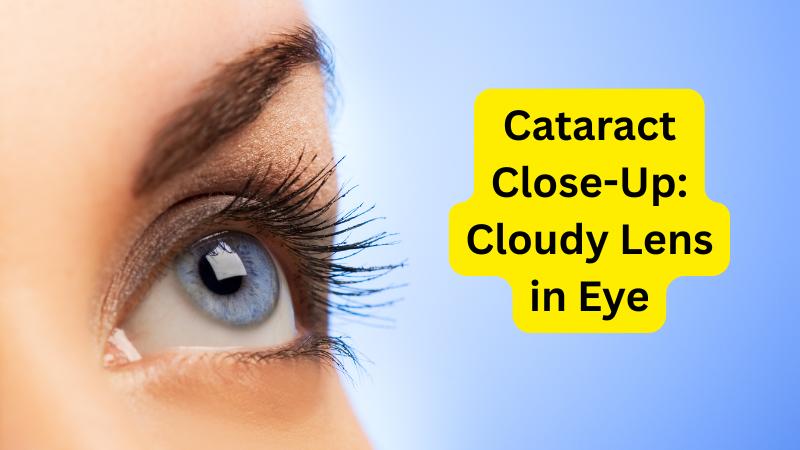
Winter is a challenging time for many individuals suffering from cataracts, as the colder months can exacerbate symptoms and make them more noticeable. Cataracts, often associated with aging, cause cloudiness in the lens of the eye, leading to blurred vision. However, it is not just aging that can make cataracts worse—seasonal factors, such as reduced daylight and indoor heating, can significantly intensify the discomfort and difficulty associated with the condition. Ophthalmologists observe that during winter, existing cataract symptoms become more pronounced, making it harder to ignore the effects on daily activities such as reading, driving, and even recognizing people in dim lighting.
During winter, the days are shorter, and natural light levels decrease, leading to reduced contrast in the environment. For people with cataracts, this reduced contrast makes the cloudy or blurred vision more apparent. Dim lighting conditions can cause the light to scatter more inside the eye, which is already affected by the clouded lens, further worsening the difficulty in seeing clearly. As a result, cataract sufferers may struggle with tasks that require fine vision, such as reading, recognizing faces, or even navigating poorly lit areas. These symptoms become particularly troublesome in the evenings, when natural light fades and artificial lighting is the primary source of illumination.
How Winter Dryness and Environmental Factors Affect Cataracts
In addition to reduced natural light, winter environments often have indoor heating, which can lead to dry air that aggravates the discomfort caused by cataracts. Low humidity levels in homes and offices cause dryness in the eyes, leading to irritation and discomfort. This dryness can make the blurring effect of cataracts feel even worse, as the dry surface of the eye further reduces visual clarity. For individuals already struggling with cataracts, this combination of dryness and blurriness can make it feel like their vision has deteriorated more rapidly than it actually has.
Another factor that makes winter difficult for those with cataracts is the increase in nighttime and early evening activities. Cataracts naturally cause increased sensitivity to glare, making it harder to drive or navigate at night. The halos and glare from streetlights, headlights, and other light sources become more pronounced in winter, exacerbating already existing difficulties in low-light environments. Tasks like driving after sunset, which may be easy in warmer months, can become more dangerous and challenging during the winter months when cataracts are intensified by the season’s effects.
Recognizing Cataract Progression: Signs to Watch for in Older Adults
As winter conditions worsen cataract symptoms, family members often notice changes in the vision of older adults before they do. Increased difficulty seeing at night, heightened glare sensitivity, and complaints of foggy or misty vision are common signs that cataracts are progressing. In addition to these visual symptoms, changes in behavior can also be indicative of worsening cataracts. For example, individuals with cataracts may need brighter lights to read, or they may hold reading materials closer to their eyes to compensate for the blur. If they seem to struggle with face recognition, especially in dim lighting, this may signal that their cataracts are worsening.
Dr. Adrian Braganza, a consultant specializing in cataracts and glaucoma, emphasizes the importance of early detection. If cataract symptoms become more pronounced during winter, it’s a strong indication that an eye examination is necessary. While normal age-related vision changes may lead to some blurriness, cataracts produce persistent vision issues that don’t fully resolve with new prescriptions or better lighting. The key indicators of cataracts include not just difficulty seeing clearly, but also an increased sensitivity to glare, difficulty driving at night, and a general dimming of colors, all of which persist despite corrective measures like updated glasses.
Lifestyle Measures to Slow Cataract Progression During Winter
Although cataracts cannot be reversed without surgery, there are certain steps that can be taken to slow their progression and improve comfort during the winter months. One of the most effective ways to address the discomfort of cataracts is to maintain adequate indoor humidity. Dry air exacerbates eye dryness, which in turn worsens the blur caused by cataracts. Keeping indoor air moist with a humidifier and drinking plenty of water can help ease the discomfort caused by dry eyes.
In addition to maintaining humidity levels, wearing UV-protective sunglasses remains important even in winter. Ultraviolet (UV) exposure is not limited to sunny summer days—UV rays can cause damage to the eye’s lens throughout the year, and cataracts are worsened by prolonged UV exposure. Dr. Braganza also points out the importance of controlling other health factors such as diabetes, which can accelerate the formation of cataracts. A balanced diet rich in antioxidants, along with avoiding smoking, can also help slow down cataract development.
Regular eye exams are crucial in detecting cataracts early. When vision problems persist despite environmental adjustments like better lighting or changes in humidity, it’s time to seek professional care. Cataracts develop gradually, and early detection is the best way to ensure timely intervention and monitor their progression effectively. While cataracts can’t be reversed, understanding how winter conditions affect your vision and taking steps to manage your eye health can help maintain visual comfort and delay the need for surgery.