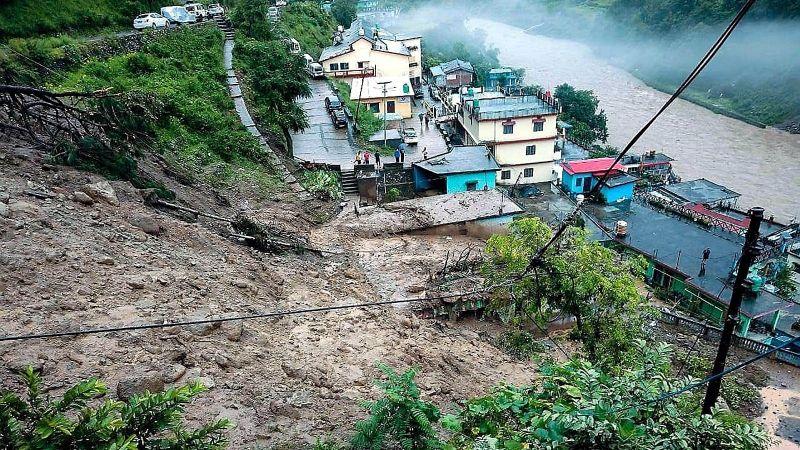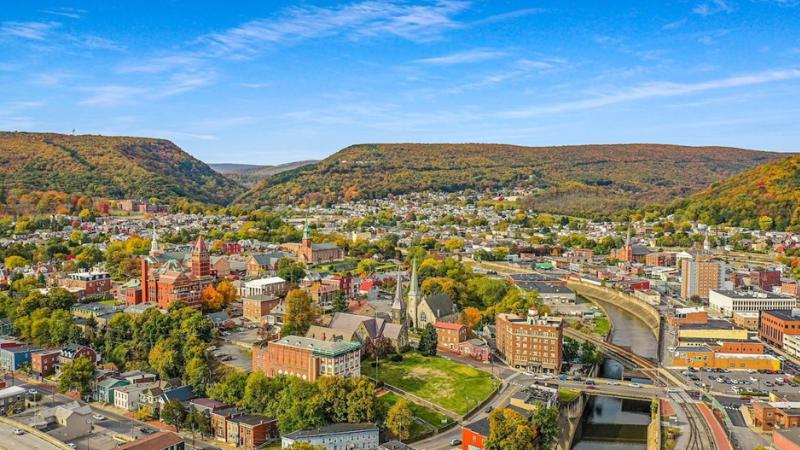
Allegany County and surrounding areas in Western Maryland remain in a state of crisis following severe flooding that began earlier in the week, prompting the governor to officially declare a state of emergency after visiting the region. The declaration, issued Thursday, aims to accelerate response and recovery efforts across communities still dealing with the widespread impacts of relentless rain, rising waters, and property damage.
The flooding created an immediate threat to public safety, particularly in low-lying areas where rivers and reservoirs spilled over, forcing local authorities to evacuate schools, issue emergency orders, and deploy first responders to conduct water rescues. On Tuesday, one of the most critical situations unfolded at Westernport Elementary School in Allegany County, where 150 students and 50 adults had to be evacuated by boat. The evacuation required 15 trips across flooded areas, with some parents wading through the high water to carry their children back home safely. Similar evacuations occurred at elementary schools along George’s Creek, as school officials responded quickly to worsening flood conditions.
In Garrett County, mandatory and voluntary evacuation orders were issued for neighborhoods near overflowing rivers and reservoirs. Local fire departments opened their facilities to serve as emergency shelters, offering refuge for residents forced out of their homes. The situation remained highly dynamic throughout the week, with communities bracing for further rainfall forecast through the weekend, even as officials stated that no additional flooding was expected.
As recovery efforts got underway, emergency responders remained engaged in rescue missions. Along the Chesapeake and Ohio Canal National Historical Park, which parallels the Potomac River and stretches along Maryland’s western edge, at least five individuals were rescued between Wednesday and Thursday. Search operations continued for a 34-year-old kayaker reported missing in Frederick County, further highlighting the dangerous conditions brought on by the storm system.
Local and state leaders expressed deep concern over the scale of the disaster. The governor emphasized that the emergency declaration was not only a procedural step, but a commitment to helping residents recover swiftly. He praised first responders, emergency workers, and community volunteers for their rapid and courageous actions to protect lives and property. His remarks were echoed by congressional representatives from the region, who also visited the area and acknowledged the emotional and economic toll the flooding has taken. Families were forced from their homes, and small businesses now face significant losses, with many uncertain about how and when recovery will begin.
Meanwhile, across the state border in Mineral County, West Virginia, a similar state of emergency has been in effect since Tuesday and will remain in place for at least 30 days unless officially lifted. The proximity and shared infrastructure between counties on both sides of the border have made coordination across state lines essential during this crisis. As Western Maryland looks ahead, the focus remains on safety, damage assessment, and rebuilding. While the weather forecast continues to be a concern, emergency officials are optimistic that rainfall will not reach previous levels, allowing crews to make progress. Residents are urged to follow official instructions, remain cautious around waterways, and report damage as the state continues to mobilize resources.
This flooding event has underscored the vulnerability of certain communities to extreme weather, raising questions about infrastructure resilience and emergency preparedness. For now, the priority remains clear—ensuring that all affected Marylanders receive the help and support they need in the aftermath of this devastating flood.
The flooding created an immediate threat to public safety, particularly in low-lying areas where rivers and reservoirs spilled over, forcing local authorities to evacuate schools, issue emergency orders, and deploy first responders to conduct water rescues. On Tuesday, one of the most critical situations unfolded at Westernport Elementary School in Allegany County, where 150 students and 50 adults had to be evacuated by boat. The evacuation required 15 trips across flooded areas, with some parents wading through the high water to carry their children back home safely. Similar evacuations occurred at elementary schools along George’s Creek, as school officials responded quickly to worsening flood conditions.
In Garrett County, mandatory and voluntary evacuation orders were issued for neighborhoods near overflowing rivers and reservoirs. Local fire departments opened their facilities to serve as emergency shelters, offering refuge for residents forced out of their homes. The situation remained highly dynamic throughout the week, with communities bracing for further rainfall forecast through the weekend, even as officials stated that no additional flooding was expected.
As recovery efforts got underway, emergency responders remained engaged in rescue missions. Along the Chesapeake and Ohio Canal National Historical Park, which parallels the Potomac River and stretches along Maryland’s western edge, at least five individuals were rescued between Wednesday and Thursday. Search operations continued for a 34-year-old kayaker reported missing in Frederick County, further highlighting the dangerous conditions brought on by the storm system.
Local and state leaders expressed deep concern over the scale of the disaster. The governor emphasized that the emergency declaration was not only a procedural step, but a commitment to helping residents recover swiftly. He praised first responders, emergency workers, and community volunteers for their rapid and courageous actions to protect lives and property. His remarks were echoed by congressional representatives from the region, who also visited the area and acknowledged the emotional and economic toll the flooding has taken. Families were forced from their homes, and small businesses now face significant losses, with many uncertain about how and when recovery will begin.
Meanwhile, across the state border in Mineral County, West Virginia, a similar state of emergency has been in effect since Tuesday and will remain in place for at least 30 days unless officially lifted. The proximity and shared infrastructure between counties on both sides of the border have made coordination across state lines essential during this crisis. As Western Maryland looks ahead, the focus remains on safety, damage assessment, and rebuilding. While the weather forecast continues to be a concern, emergency officials are optimistic that rainfall will not reach previous levels, allowing crews to make progress. Residents are urged to follow official instructions, remain cautious around waterways, and report damage as the state continues to mobilize resources.
This flooding event has underscored the vulnerability of certain communities to extreme weather, raising questions about infrastructure resilience and emergency preparedness. For now, the priority remains clear—ensuring that all affected Marylanders receive the help and support they need in the aftermath of this devastating flood.