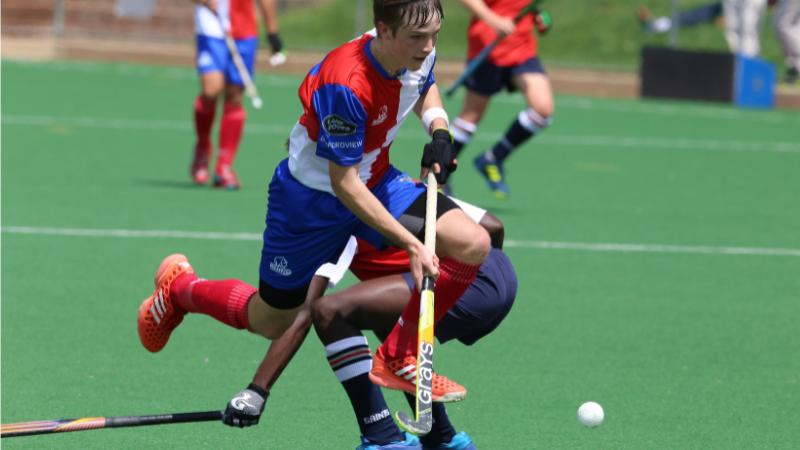
At first glance, it looks like any other weekend hockey practice. The players glide with confidence across the ice at the MedStar Capitals Iceplex in Arlington. But this team is different, not because of a smaller net or the louder puck, but because all the players are blind or visually impaired. These athletes represent the Washington Blind Hockey Club, a team founded nine years ago to offer competitive hockey opportunities to those with little or no sight. Their presence on the ice is a statement of resilience, strength, and a powerful sense of community.
For many of these players, joining the team has meant much more than just learning to skate or score goals. It has changed the trajectory of their lives. One player began losing his sight ten years ago due to a rare condition. Today, he is 90% blind but has found new purpose and freedom on the ice. He describes playing hockey again as something that gave him back a piece of his identity. Another teammate, who once could not imagine blind hockey even existed, is now a national-level athlete. His journey into the sport helped him not only rediscover joy but also secure meaningful employment.
That connection between sport and opportunity is crucial. The sense of camaraderie in the locker room has extended far beyond the rink. One team member helped another get a job at National Industries for the Blind, specifically through its NSITE program, which supports visually impaired individuals in gaining employment and financial independence. Both athletes now work together during the week and train together on the ice. It's a powerful testament to how sport can become a vehicle for transformation, not only physically but economically and socially.
As the team prepares to represent the United States in the upcoming 2025 International Blind Hockey Series against Canada, they carry the pride of more than just their sport. These athletes compete for one another, for a community often overlooked, and for the opportunity to show what inclusion truly looks like. While they wear the letters of their country on their jerseys, they are also representing the possibilities that come with belief, support, and a refusal to be left behind.
Yet their inspiring stories come at a time of growing concern. With ongoing budget discussions in Washington, especially those led by former President Donald Trump and his allies aiming to cut major federal expenditures, programs that support people with disabilities face significant risk. Proposals to slash billions from mandatory spending categories—while not always explicitly naming disability or employment programs—could ultimately affect organizations like NSITE and the broader infrastructure that supports blind and disabled Americans in achieving independence.
While political debates continue, the impact of these programs is visible every day on the ice in Arlington. The confidence, physical health, emotional well-being, and professional growth that stem from inclusionary programs like blind hockey cannot be captured in spreadsheets or budget documents. But for the players on this team, they are everything. The sense of purpose, teamwork, and self-worth developed here ripples outward—into families, workplaces, and communities.
In a climate where every dollar is being scrutinized, the stories of these athletes stand as a reminder of what’s at stake. They’re proof that public investment in inclusive initiatives yields real returns—not just economically, but in dignity and human potential. As debates heat up over where cuts should fall, it’s essential not to lose sight of the lives and futures that depend on programs designed to include, uplift, and empower. This isn’t just about hockey. It’s about the message we send as a society to those living with disabilities. When you see these athletes take to the ice, the sound of the puck echoing across the rink, what you really hear is possibility.