In a story that has sparked major debate across the internet, a high school English teacher has gone viral after publicly announcing her decision to quit teaching due to the negative impact of artificial intelligence and technology in classrooms. The teacher, identified only as Hannah, posted a candid video on TikTok explaining how AI tools like ChatGPT are reducing student motivation and undermining true learning. Her post has already surpassed 1 million views, triggering widespread discussion about the future of education in a tech-dominated era.
Hannah, who taught for three years before leaving the profession, expressed deep frustration over how students now rely on AI to complete assignments instead of putting in genuine effort. She highlighted how many of her students submitted AI-generated essays and were willing to take a failing grade rather than write something themselves. In her video, she pointed out how students no longer feel the need to engage with material or develop critical reading and writing skills, primarily because technology does so much of the work for them.
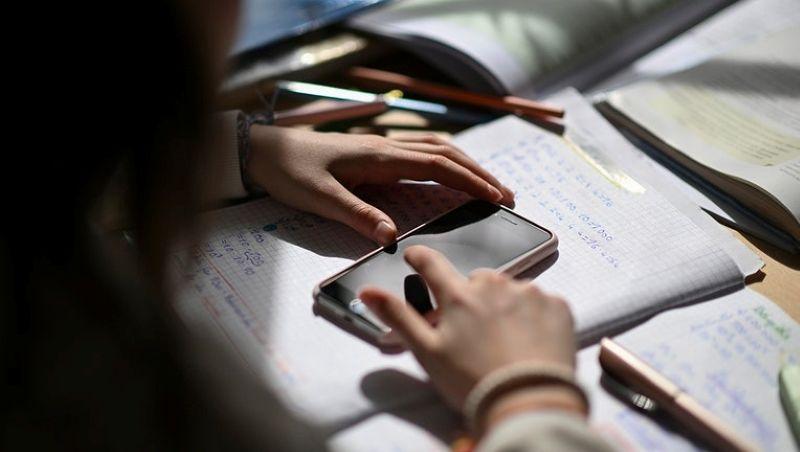
"They want to use [technology] for entertainment. They don't want to use it for education," she said in her now-private viral TikTok clip. She emphasized that children today have much shorter attention spans due to overstimulation from constant smartphone usage and social media. Read-aloud tools, she noted, have even led to students not knowing how to read independently anymore.
Speaking to "Fox & Friends," Hannah elaborated on her concerns. She said she believes AI can be helpful if introduced responsibly to older students, but that unlimited access to AI tools in classrooms is detrimental to foundational education. "If we’re allowing them this unlimited access in the classroom to use AI, they’re not going to do the work themselves," she stated. She made it clear that the blame does not lie entirely with the students, many of whom she described as bright and motivated, but with how the educational system is choosing to integrate AI.
The viral video and interview have added fuel to the ongoing policy debate about limiting or banning technology in schools. In her TikTok post, Hannah argued for radical change, saying technology should be restricted in classrooms at least until students reach college. “Call me old-fashioned, but I just want you to look at the test scores, the literacy rates, the statistics,” she said, comparing current student performance with earlier generations who were less exposed to digital tools.
Her statements come at a time when several U.S. states are already moving in that direction. At least eight states, including Alabama and Missouri, have passed laws in the past two years restricting or banning the use of smartphones during the school day. Both Republican and Democratic governors have supported such measures, underlining the non-partisan nature of concerns surrounding educational technology. Alabama Governor Kay Ivey recently signed a ban into law, stating, “Smartphones have beneficial roles when used in proper settings. However, these often-disruptive devices have no place in our classrooms during the school day except for educational purposes or during an emergency.”
The debate has taken center stage in education policy circles, with increasing concerns that AI and smartphones are changing how students think, learn, and interact in classrooms. While some argue that students should be taught to use technology responsibly, others like Hannah believe that early exposure is doing more harm than good. As Hannah's video continues to circulate across platforms and more educators and parents join the conversation, the issue of AI in schools may soon become one of the defining educational debates of this decade. Whether schools adapt policies to limit access, or integrate AI in more structured ways, one thing is clear: the role of technology in the classroom is under serious scrutiny.