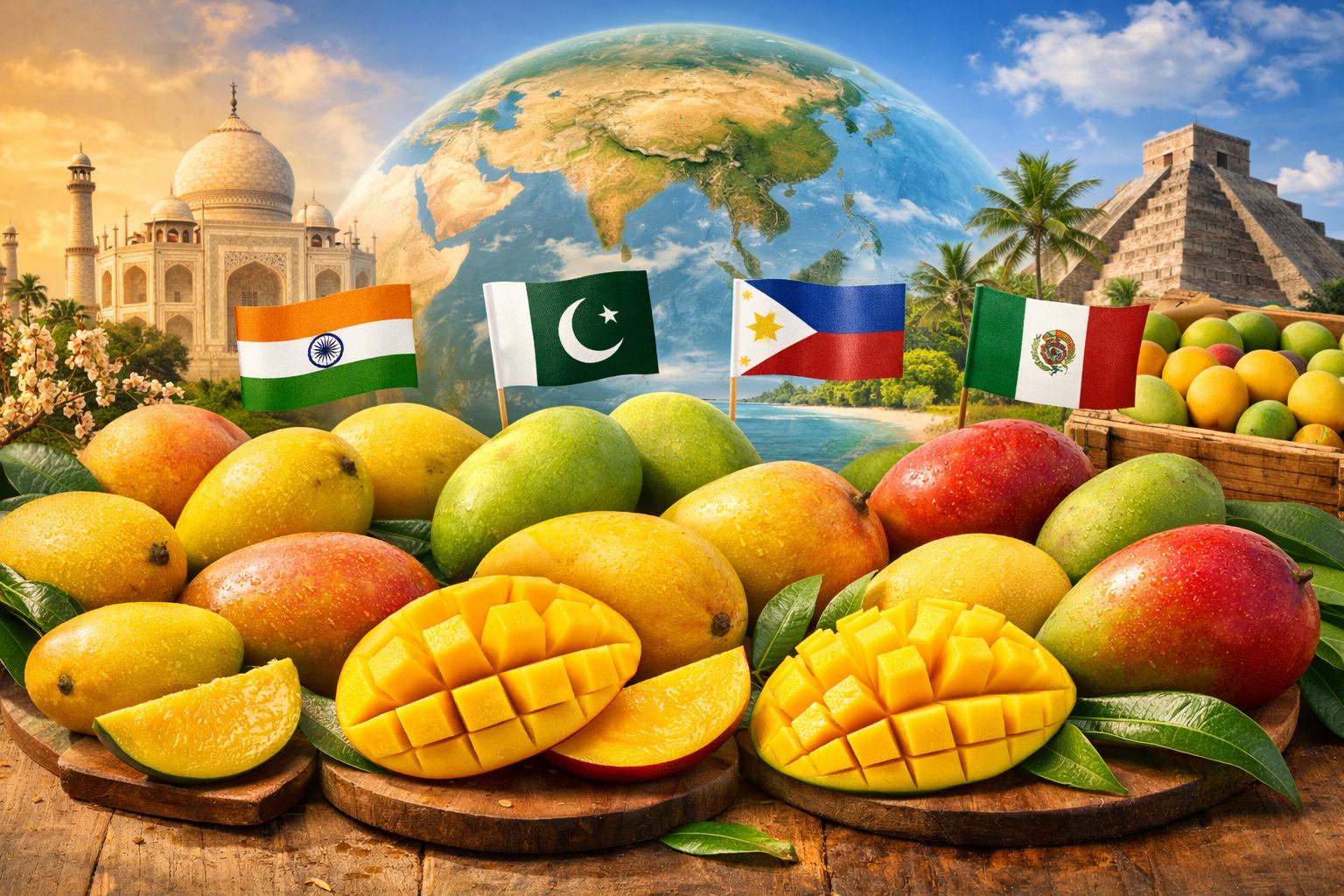
The question of which country produces the best mangoes may seem simple, but it rarely leads to a clear or universal answer. Across the world’s tropical regions, mangoes are not only a fruit but also a reflection of local climate, soil, and cultural preference. What defines the “best” mango varies widely depending on where it is grown and who is tasting it.
India – The Land of Alphonso and Kesar
India, one of the largest mango producers in the world, is often at the center of the global mango debate. Varieties like Alphonso and Kesar are celebrated for their rich aroma, buttery texture, and deep sweetness. Grown in diverse climatic zones, Indian mangoes are deeply tied to tradition, festivals, and regional pride, making them a cultural icon as much as a fruit.
Pakistan – Home of the Sweet Chaunsa
In Pakistan, mangoes are considered a symbol of summer, with Chaunsa being the most beloved variety. Known for its intense sweetness, juiciness, and smooth pulp, Chaunsa is often regarded as one of the sweetest mangoes globally. The country’s fertile plains and warm climate contribute significantly to the fruit’s exceptional taste.
Philippines – Naturally Sweet and Smooth
The Philippines is renowned for producing some of the sweetest mangoes in the world. Often recognized in international markets, Philippine mangoes are valued for their smooth texture, vibrant yellow color, and consistent sweetness. Their balanced flavor profile makes them highly popular both locally and globally.
Mexico – A Global Export Leader
Mexico plays a major role in the global mango trade, especially in exports to North America and beyond. Mexican mango varieties are known for their firmness, shelf life, and balanced sweetness, making them ideal for transportation. The country’s advanced agricultural practices ensure consistent quality and availability.
Brazil – Balancing Flavor and Supply
Brazil is another key player in the global mango market, contributing significantly to international exports. Brazilian mangoes are appreciated for their uniform size, attractive appearance, and balanced taste. The country focuses on producing mangoes that meet global demand while maintaining good flavor and quality.
A Matter of Taste and Perspective
Taste, however, is deeply subjective. Factors such as ripeness, freshness, and even the setting in which the fruit is consumed can influence perception. A mango eaten fresh from a local orchard may be valued differently than one shipped across continents.
Ultimately, the debate over the best mangoes is less about identifying a single winner and more about appreciating diversity. Each region brings its own interpretation of flavor and quality, making mangoes one of the most culturally nuanced fruits in the world.