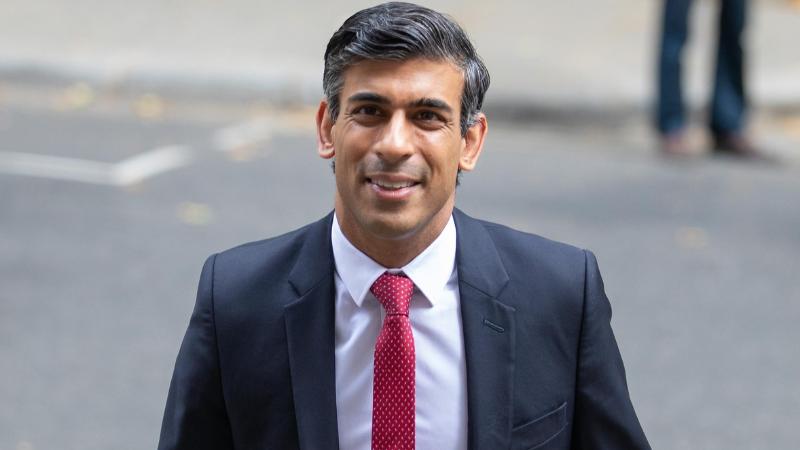
Sunak, who continues to serve as a Member of Parliament, will be advising on a range of global economic and political issues. His responsibilities will include offering insights into the global economic outlook and providing strategic guidance in areas influenced by international developments. His deep experience in finance and politics positions him to contribute meaningfully to the financial sector's understanding of evolving global dynamics.
Before embarking on his political career, Sunak began his professional journey in finance, working in various roles across the industry. This new role marks a return to his foundational career path. As part of this transition, he has committed to donating his compensation from the advisory position to his personal charity, The Richmond Project, which focuses on promoting numeracy and educational development. This philanthropic gesture underscores his continued interest in educational equity and social improvement, particularly among younger generations.
The appointment is not without oversight. Regulatory authorities responsible for monitoring post-ministerial employment reviewed and cleared Sunak’s advisory role. They imposed a one-year restriction from the time he left ministerial office to ensure no conflict of interest with his recent government service. The guidelines state that his advisory duties must exclude topics that directly relate to decisions made during his tenure as Prime Minister or finance minister. This restriction ensures a clear boundary between his former public responsibilities and his new private-sector role.
The review body also acknowledged potential risks that could arise from such an appointment, including perceptions of undue influence or privileged access to government knowledge. To address these concerns, the nature of his advisory duties has been limited to areas unrelated to his prior responsibilities in government. His current role is focused strictly on macroeconomic and geopolitical strategy, areas where he can provide value without compromising public trust.
This professional shift highlights the often-discussed movement of former government officials into influential roles in the business world. Sunak’s transition is a notable example of how political leadership skills and economic expertise can be repurposed in the private sector. His advisory work is expected to influence business decisions and economic strategies in a global context, especially as financial institutions navigate shifting economic conditions.
Sunak’s return to finance also brings renewed attention to the broader conversation around post-political careers and the ethical boundaries surrounding them. His decision to donate his salary to an educational charity may help temper public concerns while reaffirming his commitment to social impact beyond office.
Although his leadership of the Conservative Party ended following the 2024 general election loss, Sunak remains a figure of significance in both national and international spheres. His latest role positions him at the intersection of politics and finance, where his insights may shape economic perspectives on issues ranging from inflation and interest rates to international relations and trade dynamics.
The combination of his private sector foundation, high-level political experience, and continued public service suggests that Sunak's influence will remain notable, albeit in a different form. With a focus on contributing constructively to strategic financial discussions and global economic policy, this new chapter could mark a long-term shift in his professional focus, bringing together both his financial acumen and public service ethos.