Nepal is facing a historic political moment as Gen Z protesters, who have been leading violent demonstrations that left at least 31 dead and over 1,400 injured, push for wholesale change in leadership. Prime Minister KP Sharma Oli was forced to resign, and the question now is who will head the interim government. Initially, reports from Kathmandu suggested that former Chief Justice and anti-corruption crusader Sushila Karki had been chosen to lead the transition. She received enthusiastic support from young protesters, many hailing her honesty and fearless image. Karki herself expressed willingness to take up the role but noted that nothing was final.
Within a day, however, another faction of Gen Z protesters proposed Kulman Ghising, the electrical engineer credited with ending Nepal’s crippling power crisis. They argued that the Constitution prohibits retired judges from assuming political office and said Ghising represented a patriotic and practical choice. This split in preferences has created clashes not between protesters and authorities but among different youth groups themselves.
Nepal’s Constitution, implemented in 2015, is seen as a barrier to Karki’s appointment since it restricts non-parliamentarians and retired judges from becoming Prime Minister. President Ram Chandra Paudel has assured that efforts are being made to find a solution within the constitutional framework. Meanwhile, Kathmandu Mayor Balendra Shah, popular with Gen Z for his activist background, emerged as a consensus candidate but declined, instead endorsing Karki. A smaller faction proposed Harka Sampang, Mayor of Dharan, though he was dismissed as inexperienced for the national role.
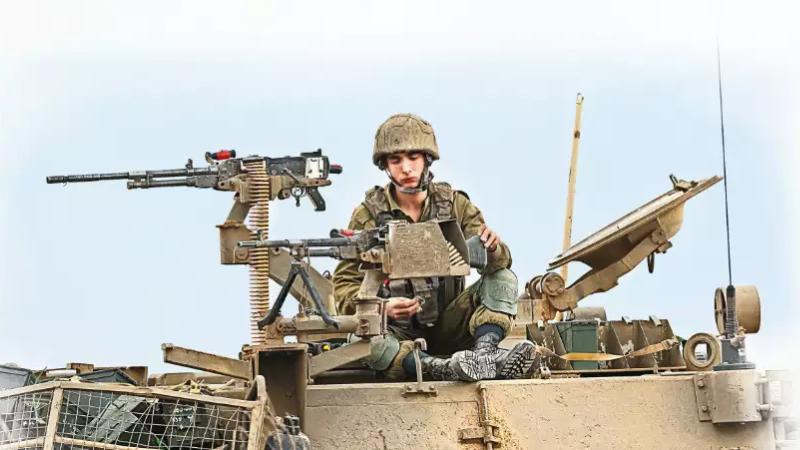
The situation has exposed a deep frustration with Nepal’s old political class, many of whom are now missing from public view. Protesters have made it clear that they do not want veteran leaders to dominate the new government. Instead, they seek an interim administration that can restore peace, conduct fresh elections, and offer hope to a generation demanding accountability and reform. As soldiers patrol the tense streets of Kathmandu, the choice between Sushila Karki, Kulman Ghising, or another consensus figure will shape Nepal’s immediate political future.