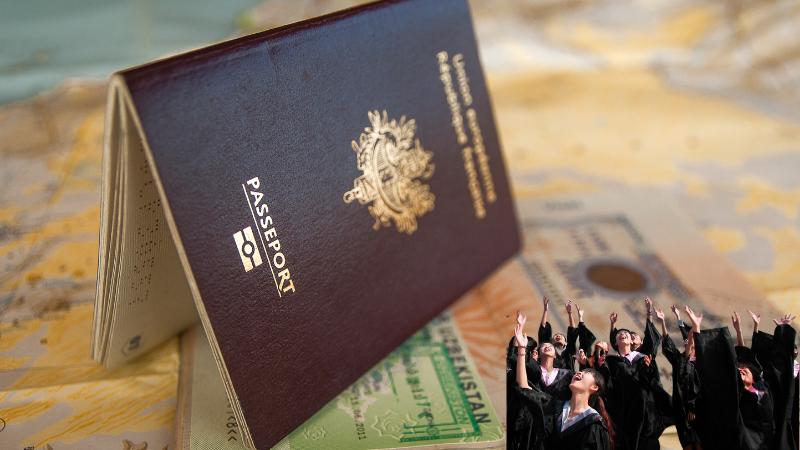
While the university confirmed that two students had their immigration status affected, it did not disclose their nationalities or which of the university’s three campuses—Stockton, Sacramento, or San Francisco—the students were attending. This sudden revocation has sent ripples through the student body, especially given that international students make up approximately 11% of the university's total enrollment. That amounts to more than 750 students who could potentially face similar risks.
The move is part of a larger trend seen across California and other states, where international students are increasingly facing visa-related complications. Reports from nearby institutions, such as the University of California, Davis, highlight a broader sweep of F-1 visa terminations, with at least 14 students affected there alone. These developments come amid heightened scrutiny of international student visas, particularly under the Trump administration's evolving immigration enforcement policies.
Students on campus have expressed unease over the situation, citing fears about the stability of their own immigration statuses and the university's future as a global educational hub. One student, Ekam Samara, voiced concern about the direct and indirect effects this could have on the institution. With many graduate and postgraduate programs heavily populated by international enrollees, the economic, cultural, and academic fabric of the university stands to be disrupted. The presence of international students is often integral to the funding and diversity initiatives that colleges rely upon to maintain their rankings and reputation.
Another student, Sarang Bajwa, reflected on the emotional toll and the lost opportunities that can result from visa revocations. Many students come to the United States not just for a degree, but for the full experience of living and learning in a multicultural environment. When that opportunity is taken away abruptly, it not only stalls educational advancement but also deeply affects students’ futures and mental well-being.
University President Christopher Callahan addressed the issue publicly, reaffirming the institution’s support for its international community. In a written statement, he emphasized the university’s commitment to providing assistance and ensuring that the affected students, as well as others in similar situations, have access to the resources they need. The university, he said, values its international students as an essential part of its academic and cultural landscape and will continue to advocate on their behalf.
While the federal government has not provided detailed reasons for these particular visa revocations, many such cases in recent months have been tied to broad and often opaque security reviews or allegations of visa status violations. In the case of the two Pacific students, there has been no public indication of wrongdoing or breach of visa terms.
This ambiguity only adds to the sense of vulnerability felt by many international students, who now face the possibility of sudden legal and academic limbo. The lack of transparency in the process also makes it difficult for universities to protect their students or to challenge the decisions effectively.
The unfolding events at the University of the Pacific illustrate a growing tension between national immigration policy and the globalized mission of higher education. As colleges in the United States continue to rely on international students for tuition revenue, cultural exchange, and global collaboration, these visa uncertainties threaten to undermine the very foundation of American academic institutions as international destinations.
Administrators across the country are urging more clarity and consistency from federal agencies, hoping to avoid further disruptions that could impact the academic careers of thousands. For the students at the University of the Pacific, the coming weeks will be crucial in determining whether they can continue their studies or if they will have to return to their home countries due to factors beyond their control.
As the case of the two revoked visas continues to unfold, it serves as a stark reminder of the fragile balance between education and immigration enforcement. Universities, students, and policymakers alike are now being called upon to navigate this complex and evolving landscape with greater urgency and empathy.