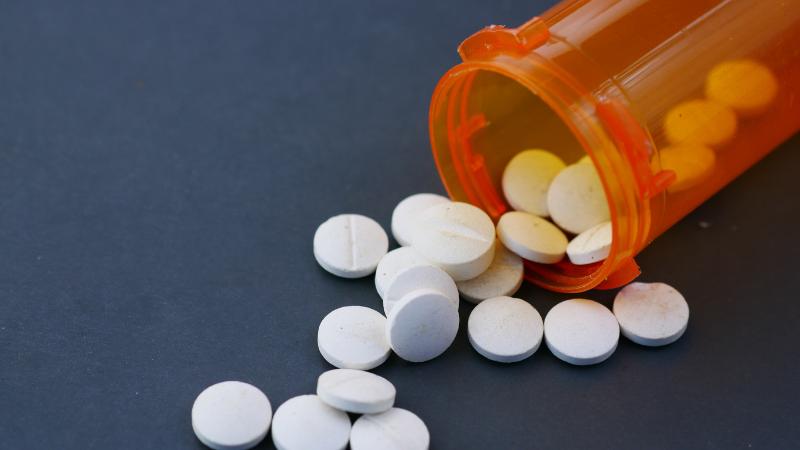
The focus remains sharply on preventing prescription drug abuse, particularly when it comes to painkillers that contain opioids. These medications, though legal and commonly prescribed, continue to be a major contributor to substance abuse and overdose deaths nationwide. Law enforcement agencies have repeatedly warned that medications left in household medicine cabinets are often the first source of access for misuse, especially among teenagers and young adults. Removing these substances from the home can be a significant step toward preventing addiction and accidental overdoses.
In the most recent Take-Back Day held in October, more than 4,400 law enforcement agencies took part, collecting a substantial volume of medications from communities across the country. Saturday’s event is expected to draw a similar level of participation, with hundreds of thousands of Americans taking this opportunity to responsibly discard drugs they no longer need. Since the inception of this initiative in 2016, the DEA reports having collected and safely disposed of approximately 9,600 tons of unused prescription drugs — a figure that highlights the scale of public involvement and the ongoing need for such efforts.
Officials involved in the event are also reminding participants not to dispose of medications by flushing them down the toilet or sink. Edgar Nolasco, director of a county consumer and environmental protection agency, emphasized the environmental risks of improper disposal. Medications entering the water system can have a harmful impact on aquatic life and ecosystems. Proper disposal through the DEA’s program ensures these substances are managed safely without contributing to environmental contamination.
This program not only helps prevent misuse but also raises awareness about the importance of securing and properly discarding medications. The DEA and partnering organizations believe that continued public participation can help shift behaviors surrounding prescription drug use and disposal. By providing regular, convenient opportunities to drop off unused drugs, the initiative creates a proactive way for communities to engage in the fight against the opioid epidemic and reduce the risk of pharmaceutical substances ending up in the wrong hands.
For many people, this event serves as an important reminder to take inventory of their medicine cabinets, check expiration dates, and reconsider keeping drugs that are no longer necessary. Even medications that seem harmless can pose dangers if consumed by someone they were not prescribed for. Unintended ingestion, especially by children, remains a serious risk in households that do not routinely dispose of expired drugs.
As law enforcement and federal agencies prepare for another successful turnout, the message is clear: every bottle of unused medication turned in is a step toward safer homes, healthier communities, and a cleaner environment. Residents are urged to take part in this event, which is as much about community responsibility as it is about public health. With tens of thousands of drop-off sites available and no identification required, the process is made easy to encourage maximum participation.
The DEA’s Drug Take-Back Day continues to serve as a powerful example of how collaborative efforts between government agencies and citizens can contribute to real change in the ongoing struggle against drug misuse and addiction. The next step begins with each individual choosing to take action by cleaning out their cabinets and bringing their unused medications in for safe disposal this Saturday.