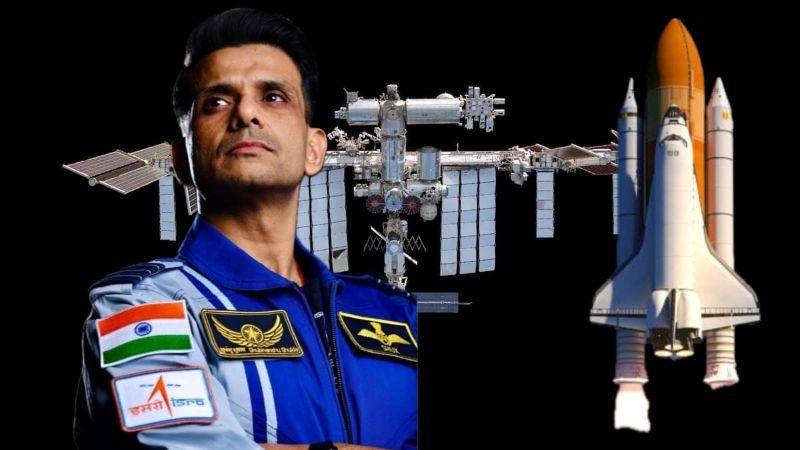
Group Captain Shubhanshu Shukla, India’s first astronaut aboard the International Space Station (ISS), is conducting a critical space microalgae experiment for the Indian Space Research Organisation (ISRO). This study is aimed at exploring the role of microalgae in sustaining long-duration space missions like Gaganyaan, India’s ambitious human spaceflight program. As part of the experiment, Shukla deployed microalgae sample bags and captured images to track growth patterns in microgravity. ISRO hopes to use the findings to create sustainable food, fuel, and even life support systems for future missions.
The experiment will study three algae strains to assess their growth, metabolism, and gene activity in space versus Earth. With their ability to recycle carbon dioxide, produce oxygen, and offer nutritional value, microalgae could serve as a vital element in closed-loop space systems.
In addition to the algae experiment, the Axiom-4 crew is supporting multiple cutting-edge studies. Shukla participated in the Neuro Motion VR project, using virtual reality headsets and fNIRS tech to monitor how microgravity impacts attention and motor control. Meanwhile, mission commander Peggy Whitson is contributing to cancer research in microgravity and documenting student-designed experiments for the Saudi Space Agency. Before beginning his work, Shukla spoke to PM Narendra Modi, calling space "a whole new experience" and Earth "our home with no borders". Launched aboard a SpaceX Dragon from NASA’s Kennedy Space Centre, Shukla’s journey marks a major milestone for India’s space ambitions.