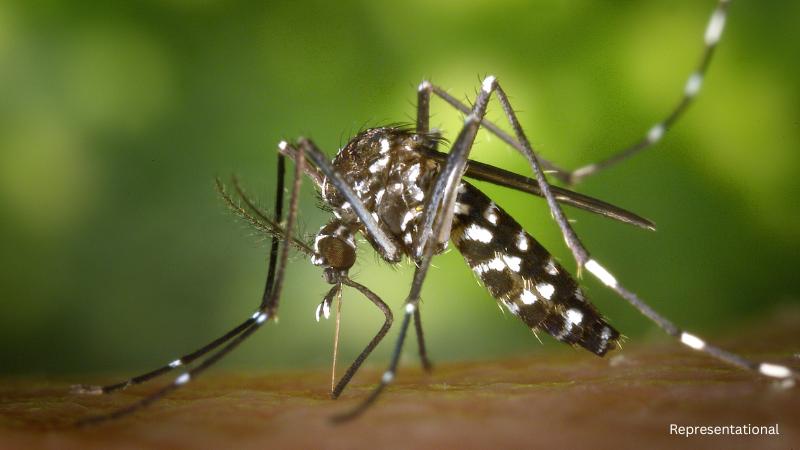
Mosquitoes in parts of North Texas have tested positive for West Nile virus this week, prompting local health officials to issue warnings and urge residents to take steps to protect themselves and their families. Samples collected from traps in both Tarrant County and Dallas County confirmed the presence of the virus, highlighting a seasonal health risk that tends to rise during periods of heavy rain and warm temperatures. The findings serve as a reminder that prevention efforts are critical during peak mosquito activity, particularly in late summer.
In Tarrant County, health authorities reported that mosquito samples from three different traps in North Richland Hills tested positive for the virus. The traps were located in the 6800 block of Glenview Drive, the 8500 block of Hightower Drive, and the 5700 block of Rio de Janeiro Circle. The city will treat the affected areas around those traps, but officials noted that as of late 2024, the city no longer conducts large-scale mosquito spraying along streets and alleyways. Instead, the emphasis is on encouraging individuals to take their own preventative measures, from applying repellents to reducing breeding grounds on their property.
Meanwhile, in Dallas County, mosquito samples from the 75146 zip code in Lancaster also tested positive for West Nile virus. In response, Dallas County officials plan to conduct targeted ground spraying in that area over the coming days, weather permitting. Spraying schedules are made available to the public, and residents are advised to check for updates to know when spraying will occur in their neighborhoods. This detection follows Dallas County’s first reported human case of West Nile virus earlier in the summer, underscoring the need for vigilance.
Health officials say that an unusually active mosquito season is underway, driven by recent periods of heavy rain across the region. The increased moisture creates ideal breeding conditions for mosquitoes, which lay eggs in standing water. With higher populations come greater risks of virus transmission. To minimize exposure, experts are urging North Texans to follow a set of preventative steps known as the “four Ds” — a simple but effective guide for reducing mosquito bites and the potential spread of West Nile virus.
The first “D” stands for DEET, referring to the use of insect repellents containing DEET or other EPA-registered active ingredients proven to deter mosquitoes. These products should be applied according to label instructions, especially before spending extended time outdoors. The second is DRESS, which means wearing long-sleeved shirts and long pants that are loose-fitting and light-colored. This type of clothing makes it harder for mosquitoes to bite through fabric and helps reflect heat, making wearers less noticeable to insects.
The third “D” is DRAIN, which emphasizes the importance of eliminating standing water in and around homes, workplaces, and public spaces. Even small amounts of water in buckets, plant saucers, bird baths, clogged gutters, or discarded containers can become breeding sites. Regularly checking and emptying these sources can significantly reduce mosquito populations. The fourth and final “D” is DUSK to DAWN, a reminder that mosquitoes carrying West Nile virus are most active during the evening and early morning hours. Limiting outdoor activities during these times, or taking extra precautions when outside, can lower the risk of bites.
West Nile virus is primarily transmitted to humans through the bite of an infected mosquito. While most people who contract the virus experience no symptoms, some may develop mild flu-like signs such as fever, headache, body aches, and fatigue. In rare cases, the infection can cause severe neurological illness, including encephalitis or meningitis, which can be life-threatening, particularly for older adults and those with weakened immune systems. There is no specific treatment for West Nile virus, so prevention remains the most effective approach to reducing the risk of illness.
Tarrant and Dallas County health departments will continue to monitor mosquito populations, test samples, and take targeted actions where necessary. Officials also stress the importance of community involvement, as reducing mosquito breeding sites and practicing personal protection habits can make a significant difference in lowering transmission rates. Public cooperation, they say, is essential to controlling outbreaks and safeguarding public health during mosquito season.
As summer progresses, residents are encouraged to remain aware of the ongoing presence of West Nile virus in the region. Checking local health department updates, maintaining yard cleanliness, and using protective measures when outdoors are all key steps in minimizing risk. By working together, North Texas communities can help limit mosquito-borne threats and ensure safer conditions for everyone during peak activity months.