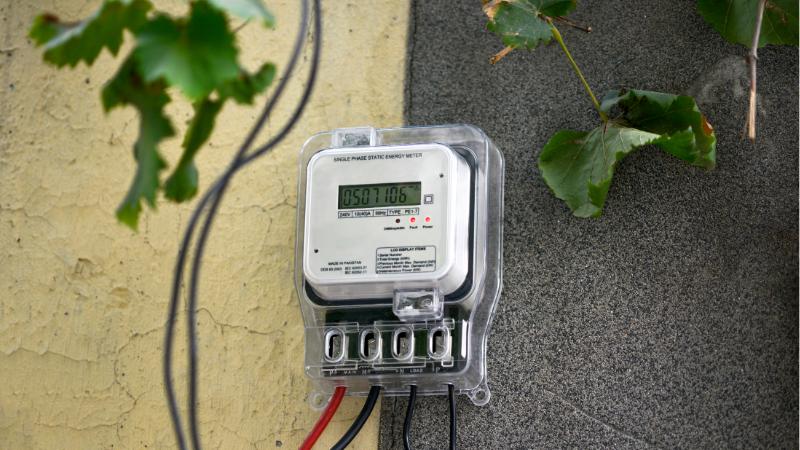
Governor Phil Murphy signed two significant pieces of legislation in Trenton this afternoon designed to address the growing concerns over rising electricity costs in New Jersey. The move comes after households across the state were hit with a 20 percent increase in utility bills this past June, leaving many residents frustrated and urging state leaders to act. With these new laws, the administration aims not only to provide relief but also to reshape the state’s energy future by investing heavily in clean energy initiatives.
Earlier this summer, the state released $430 million in funds to help offset energy expenses for consumers while also requiring utilities to spread out charges across the summer season. The decision was seen as an emergency measure to protect residents from the steepest spikes in their bills, but Murphy has made clear that longer-term solutions were needed. The two newly signed bills represent the next step in what his administration is calling a major shift in energy policy toward affordability, accessibility, and sustainability.
One of the bills focuses on expanding access to solar energy across New Jersey. It sets a bold target of reaching one million homes with solar power over the next three years. This initiative is not just about helping homeowners cut electricity costs; it is also expected to create a significant number of new jobs in the state’s clean energy sector. Supporters of the legislation argue that broader access to renewable energy sources like solar will reduce dependence on traditional fossil fuels while protecting residents from unpredictable price hikes tied to global energy markets.
The second bill creates incentives for utility companies and private developers to accelerate investments in renewable infrastructure. By supporting projects that prioritize solar installations and energy-efficient systems, the state hopes to establish New Jersey as a leader in renewable energy adoption on the East Coast. Lawmakers backing the legislation believe that these investments will strengthen the local economy by creating thousands of jobs in construction, installation, and maintenance, all while moving the state closer to its long-term environmental goals.
Governor Murphy emphasized during the signing ceremony that the state cannot afford to ignore the pressures families face when utility costs rise sharply. He explained that the combination of immediate relief funds, longer-term investments, and legislative action reflects a comprehensive plan to stabilize bills while modernizing the energy grid. According to Murphy, the objective is to protect consumers today while preparing for a cleaner and more affordable energy future.
The legislation also underscores a larger statewide effort to transition away from fossil fuels and embrace cleaner alternatives. For years, New Jersey has been investing in renewable energy programs, but these bills mark one of the most ambitious expansions of solar access in the state’s history. By committing to power one million homes through solar energy, the administration is signaling that renewable power is no longer a niche option but a mainstream solution that can benefit families of all income levels.
Environmental groups have praised the bills, noting that solar energy expansion is critical not just for economic reasons but also for addressing climate change. Rising energy costs have placed a heavy burden on low and middle-income households, but advocates point out that renewable energy projects also provide long-term cost stability because they are less vulnerable to the fluctuations of global fuel markets.
At the same time, critics of the legislation have raised concerns about whether the infrastructure is in place to support such rapid expansion. Some have questioned the pace of implementation, arguing that reaching one million homes in three years may be overly ambitious given the logistical and financial challenges. Others worry about the strain on existing utility providers as they adapt to new mandates. Nevertheless, Murphy and his allies remain confident that the combination of public investment and private sector participation will make the goals achievable.
For residents, the immediate focus remains on affordability. With energy costs continuing to rise across much of the country, New Jersey’s aggressive approach to lowering utility bills is being closely watched by other states. If successful, the programs could serve as a model for how to balance consumer relief with renewable energy growth. For now, the newly signed bills provide hope that relief is on the way, both in the form of lower electricity bills and in long-term economic opportunities linked to clean energy.
Governor Murphy concluded his remarks by highlighting that this legislation is about more than just short-term fixes. It is about creating a lasting framework that ensures future generations of New Jersey residents will have access to affordable, reliable, and sustainable energy. With electricity prices at the forefront of public concern and renewable energy becoming increasingly central to state policy, the signing of these bills marks a pivotal moment in New Jersey’s ongoing energy transition.