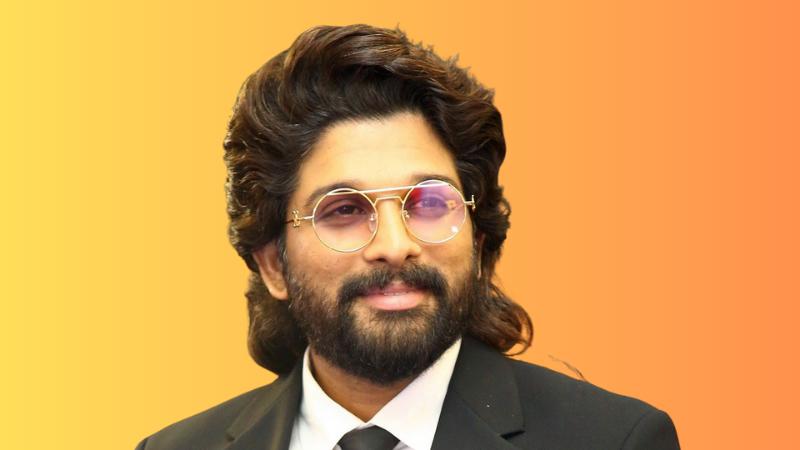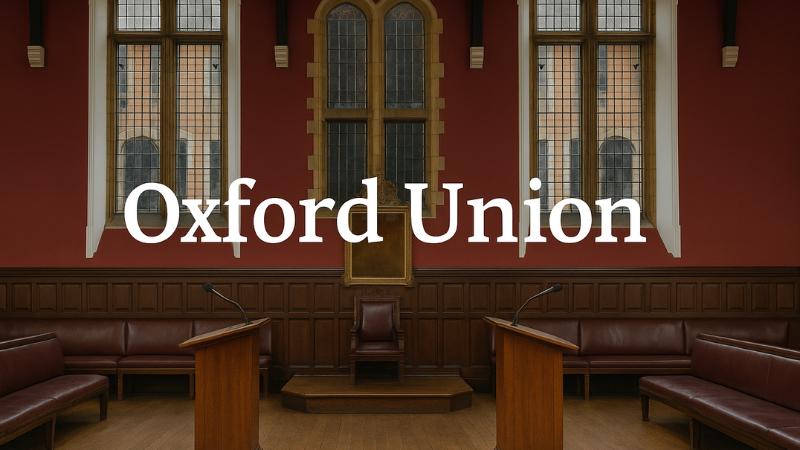
Senior advocate Sai Deepak has challenged the account presented by the Pakistan High Commission in the United Kingdom regarding a scheduled debate between Indian and Pakistani speakers at the Oxford Union. The event, which was expected to feature prominent figures from both countries, became the centre of a controversy after the Pakistan High Commission publicly claimed that Indian participants withdrew at the last moment, resulting in what it described as a walkover. Deepak rejected this version of events and released email exchanges and call records to support his involvement and clarify the sequence of developments that unfolded before the debate.
According to the Pakistan High Commission, three originally listed Indian speakers—former Army chief General M. M. Naravane, Subramanian Swamy, and former Rajasthan Deputy Chief Minister Sachin Pilot—withdrawn without explanation. It asserted that the Pakistani side, including former foreign minister Hina Rabbani Khar, Pakistan’s envoy to the UK Mohammad Faisal, and retired general Zubair Mahmood Hayat, was present in Oxford and prepared to participate. Deepak responded by stating that this claim was inaccurate and that he had been confirmed as one of the speakers, a fact supported by official communication from the Oxford Union organisers.
Deepak explained that changes in the Indian lineup occurred after Naravane and Swamy became unavailable due to prior commitments. He said that before he could propose replacements, the Union informed him that Suhel Seth and Priyanka Chaturvedi had agreed to participate. However, both later withdrew because of the short notice. This situation led Deepak to assemble a new team, consisting of Manu Khajuria and Pt Satish K. Sharma, who were already in the United Kingdom and able to attend. Deepak then travelled to London to coordinate with his team and prepare for the event.
Shortly before the scheduled pre-debate dinner, Deepak said he received a call from the Oxford Union indicating that the Pakistani delegation had not arrived in England. As a result, he and his team were told to remain in London rather than travel onward to Oxford. Despite this communication, Deepak later learned that the Pakistani participants had indeed landed in the United Kingdom and were staying at the same hotel where he had been booked to stay in Oxford. This contradicted the Union’s earlier message regarding their absence and raised further questions about the coordination and transparency surrounding the event.
Oxford Union president Moosa Harraj subsequently issued an apology for what he described as mismanagement. Harraj, who is the son of Pakistan’s Minister of Defence Production Muhammad Raza Hayat Harraj, offered assurances that the confusion arose from internal organisational issues. Deepak, however, said that the manner in which the situation unfolded suggested the creation of an erroneous narrative about an Indian withdrawal. He also criticised the leadership of the Union, alleging that it had allowed the institution to become aligned with Pakistani interests in the UK.
Deepak posted detailed evidence, including call logs and email threads, to show that the Indian side had not backed out. He argued that the version presented by the Pakistan High Commission was misleading and designed to suggest that Indian representatives lacked confidence. He further stated that if the Pakistani team was indeed in Oxford, they should have participated in the debate instead of claiming a victory by default.
The incident has led to a wider discussion about the handling of high-profile debates and the responsibility of institutions to maintain accuracy in public statements. Deepak’s disclosures suggest that the situation was far more complex than the narrative initially presented, and that multiple administrative lapses contributed to the confusion. The matter has also drawn attention to how diplomatic narratives are shaped, especially in events involving India and Pakistan, where public perception often plays a significant role.