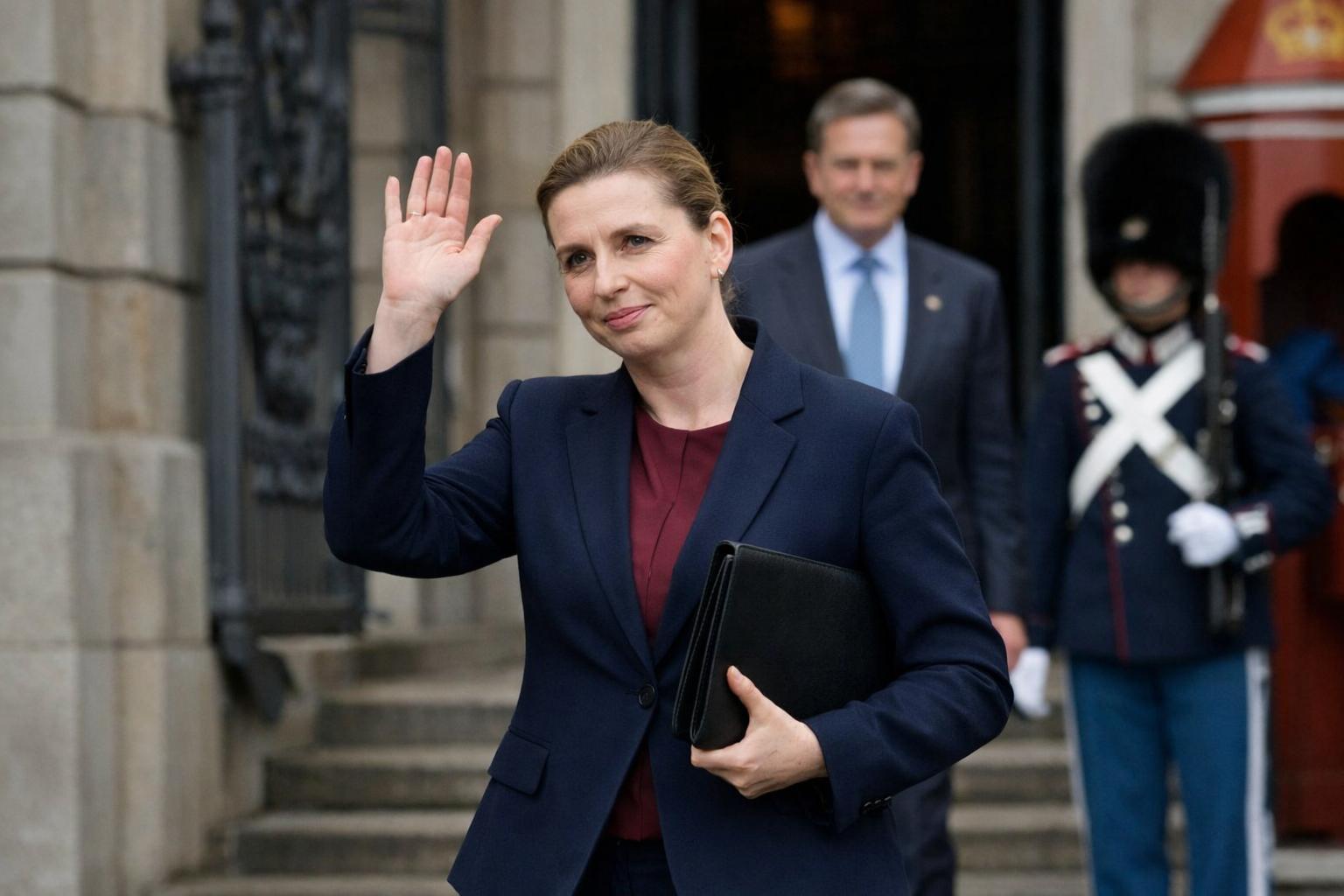
Denmark’s Prime Minister Mette Frederiksen formally resigned on Wednesday following the outcome of the country’s general election, initiating the process of forming a new government after no political bloc secured a clear majority. The resignation was submitted to King Frederik at the Royal Palace, in line with constitutional practice when an incumbent administration loses its parliamentary majority.
Frederiksen’s Social Democrats emerged as the largest party, securing 21.9% of the vote and retaining the highest number of seats in parliament. However, the result marked the party’s weakest performance in more than a century, significantly undermining its governing position. The left-leaning “red bloc,” led by the Social Democrats, secured 84 seats, falling short of the 90 required for a majority in the 179-seat Folketing.
Despite the setback, Frederiksen signaled her intention to remain politically active and potentially lead the next government. She will continue in a caretaker role until coalition negotiations conclude. Addressing supporters, she acknowledged disappointment over the vote share but emphasized that her party remains the largest political force in Denmark.
The opposition “blue bloc” also failed to secure a governing majority, collectively winning 77 seats. The Liberal Party Venstre recorded one of its poorest results, securing just 10.1% of the vote and trailing behind the Green Left party. With neither bloc able to form a government independently, attention has shifted to the Moderates party, led by former prime minister Lars Løkke Rasmussen, which secured 14 seats and is expected to play a decisive role in coalition talks.
The election, called earlier than anticipated, was initially influenced by international tensions, including debates over Greenland. However, domestic policy issues dominated the campaign, reshaping voter priorities. Political negotiations are expected to continue for several days or weeks as parties attempt to build a stable governing coalition.


 Joyful
0%
Joyful
0%
 Cool
0%
Cool
0%
 Thrilled
0%
Thrilled
0%
 Upset
0%
Upset
0%
 Unhappy
0%
Unhappy
0%