- globetrotter
- 31 Jan 2025
- #Finance & Economics
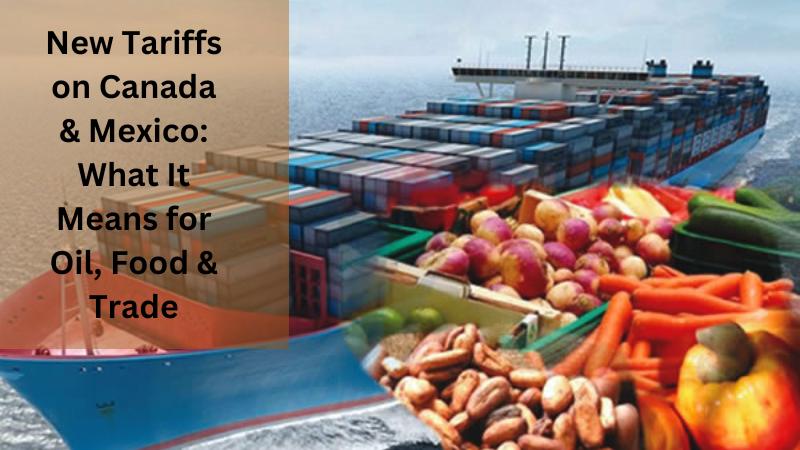
Trump's 25% Tariffs on Canada and Mexico: A Trade War in the Making?
In a bold move set to take effect on February 1, U.S. President Donald Trump has announced a 25% tariff on imports from Canada and Mexico. Citing concerns over illegal immigration, fentanyl trafficking, and trade imbalances, the administration is taking an aggressive stance on border economics. However, one major question remains—will oil imports be included?
Potential Impact on Oil Prices
The U.S. heavily depends on Canadian and Mexican oil, with Canada alone supplying nearly 1.6 million barrels per day. If oil tariffs are imposed, refinery costs could spike, leading to higher gasoline prices for American consumers. With inflation already a hot-button issue, this move could have far-reaching economic consequences.
Higher Costs for Food & Consumer Goods
Beyond energy, agriculture and manufacturing could take a hit. The U.S. imports a significant portion of its food supply from Canada and Mexico. Analysts predict that tariffs could lead to a 3% rise in food prices, disproportionately affecting lower-income households. Everyday goods—from fresh produce to auto parts—could see a price surge.
Canada & Mexico's Response
Both nations have vowed to retaliate with countermeasures, while also seeking dialogue to avoid an all-out trade war. With China also in Trump’s tariff crosshairs, global markets are bracing for uncertainty.
As the February 1 deadline looms, one thing is clear—this is more than just a trade policy; it’s a high-stakes economic gamble. Will it boost American manufacturing or trigger inflationary pressures? Only time will tell.