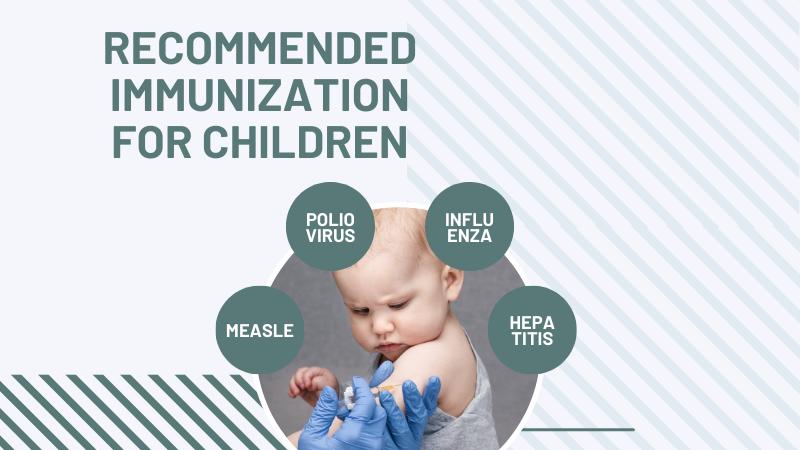
Immunization is one of the most important public health strategies to prevent the spread of infectious diseases. Both India and the United States have their own immunization schedules to ensure children receive the necessary vaccines to protect them from various diseases. However, the vaccination schedules differ in terms of the types of vaccines, the timing of doses, and the age at which they are administered. Understanding these differences is essential for parents, caregivers, and healthcare professionals.
Vaccines in India’s Immunization Schedule
India’s immunization schedule, which is part of the Universal Immunization Programme (UIP), focuses on preventing common childhood diseases such as tuberculosis, polio, diphtheria, pertussis (whooping cough), tetanus, hepatitis B, measles, and more. The Indian schedule is generally free of cost in government healthcare settings and is widely implemented across rural and urban areas.
The immunization schedule in India begins right after birth. The first dose is typically given within 24 hours to prevent neonatal tetanus and hepatitis B. This is followed by a series of vaccines during the first year of life, including DTP (diphtheria, tetanus, and pertussis), polio, and the first dose of the measles, mumps, and rubella (MMR) vaccine at 9-12 months.
India also includes vaccines like the Haemophilus influenzae type B (Hib) vaccine, the rotavirus vaccine, and the pneumococcal conjugate vaccine (PCV) in its routine schedule. The Indian schedule emphasizes vaccines that are most prevalent in the local context, like BCG for tuberculosis, which is not a part of the U.S. schedule.
Vaccines in the USA’s Immunization Schedule
The United States has a slightly different approach when it comes to immunization. Managed by the Centers for Disease Control and Prevention (CDC), the U.S. vaccination schedule includes a wide range of vaccines, many of which are similar to India’s schedule, though there are some differences in vaccine types and administration ages. In the U.S., vaccines are also administered at a younger age and may include additional vaccines such as the hepatitis A vaccine, which is not as commonly included in India’s schedule.
The first vaccines in the U.S. schedule are usually given within the first month of birth. The vaccines include hepatitis B, polio, DTP, and the rotavirus vaccine. The U.S. schedule also recommends the MMR vaccine, but typically it’s given at 12-15 months, slightly later than the Indian schedule. Moreover, the U.S. vaccination program includes more recommendations for booster shots at older ages, ensuring continued protection into adolescence and adulthood.
One key difference is the availability of newer vaccines like the human papillomavirus (HPV) vaccine, which is not included in India’s standard immunization schedule. This vaccine helps protect against cancers caused by the HPV virus and is administered around the age of 11-12 in the U.S.
Key Differences in Timing and Age
While both India and the U.S. have similar vaccines in their schedules, the timing and the age of administration differ. In India, vaccines like MMR are given earlier, typically around 9-12 months, whereas the U.S. schedule recommends it between 12-15 months. Additionally, India’s schedule includes more oral vaccines, like the rotavirus vaccine, while the U.S. uses more combination vaccines in some cases, like the DTaP-Hib-IPV combination.
India also has a slightly different approach to booster doses, with some vaccines being administered at different intervals. For example, the polio vaccine schedule in India is traditionally followed up with doses at 6, 10, and 14 weeks, with boosters later, while in the U.S., the schedule can differ, including more booster shots after the primary series.
Both India’s and the USA’s immunization schedules are designed to protect children from serious infectious diseases. While they share common vaccines, the timing, number of doses, and inclusion of certain vaccines may differ based on the prevalence of diseases, healthcare infrastructure, and national health policies. Parents and caregivers should consult local health authorities or pediatricians to ensure that they follow the most suitable immunization schedule based on the country they reside in. Regardless of the differences, vaccines remain one of the most effective tools in preventing disease and ensuring the health and safety of children worldwide.
By understanding these differences, you can make informed decisions about your child’s vaccination needs, ensuring they are protected from potentially harmful diseases.