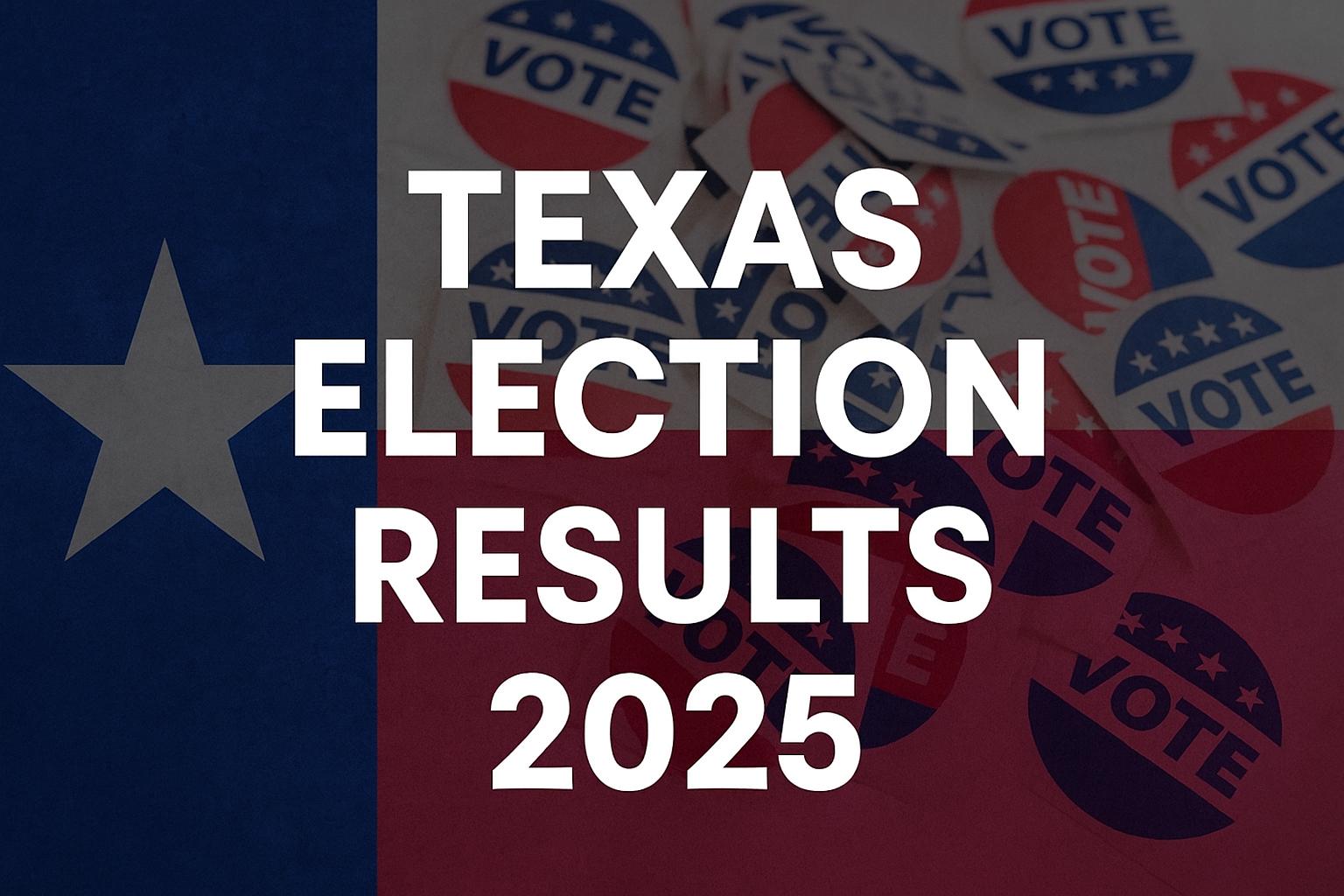
Texans across the state went to the polls on November 4, 2025, for the general and special elections that determined key constitutional amendments and filled several important local and state positions. The ballot included seventeen proposed amendments to the Texas Constitution, a special election for Texas’s 18th Congressional District, and numerous local races throughout major cities and rural counties. The election was one of the most closely followed statewide events of the year, shaping legislative and administrative priorities for years to come.
Polling stations opened early in the morning and remained active until evening, with thousands of residents casting their votes in person and through early voting conducted between October 20 and 31. Voter turnout was moderate to high in many regions, reflecting the public’s strong interest in issues such as tax relief, school funding, bail reform, and improvements to local infrastructure.
Among the most notable contests was the special election for the 18th Congressional District, which drew attention from across the state. The vacancy had sparked an intense campaign focused on job creation, economic recovery, and community safety. Voters in the district weighed the promises of candidates who sought to balance national issues with local concerns, particularly around housing, transportation, and access to healthcare.
The seventeen constitutional amendments on the ballot covered a wide range of topics affecting both households and businesses. Some amendments addressed property tax relief measures to ease the burden on homeowners, while others focused on improving education funding mechanisms, especially in rural districts where resources have been stretched thin. Infrastructure proposals aimed to strengthen Texas’s roads, bridges, and energy grid, a priority after recent years of severe weather and population growth.
Local elections across the Houston area and other major cities added further weight to the ballot. The Houston City Council At-Large Position 4 seat was among the most discussed contests, with candidates emphasizing public safety, fiscal transparency, and environmental policies. In nearby school board elections, debates revolved around teacher pay, curriculum standards, and classroom resources. Across Harris County and surrounding regions, education remained a top issue as communities sought to ensure equitable opportunities for students.
Election officials across Texas reported that voting proceeded smoothly at most polling locations, with minor delays only during peak hours. Enhanced security and digital verification systems introduced in the past year helped improve both accuracy and voter confidence. State authorities emphasized that no major disruptions were reported, and the tabulation of votes began promptly after polls closed.
Several local propositions were also included on the ballot, addressing funding for emergency services, water management, and community infrastructure. Counties such as Travis, Bexar, and Tarrant proposed new initiatives for road maintenance, public housing, and environmental restoration, while others focused on expanding broadband internet access in underserved areas.
As provisional results began to roll in late Tuesday night, early trends suggested that several constitutional amendments were likely to pass, particularly those offering property tax adjustments and infrastructure investments. A few measures, however, appeared too close to call and will depend on final absentee and mail-in vote counts in the coming days. Official certification of all results is expected once the Texas Secretary of State’s office completes verification procedures.
Political analysts have noted that this election may signal a shift in voter priorities as Texans continue to navigate economic pressures and demographic changes. The mix of statewide amendments and local issues brought together urban and rural voters with differing yet overlapping concerns, particularly around cost of living and community development.
The conclusion of the November 2025 elections sets the stage for the next phase of governance and policymaking in Texas. Newly elected officials and representatives will begin work on implementing voter-approved measures and preparing for future sessions that will likely focus on education reform, public safety, and energy management. The results also provide a preview of political momentum heading into the 2026 midterm cycle.
Residents can access complete and certified election results through the official state election portal once final tabulations are published. These results will confirm which amendments, propositions, and candidates have received the majority vote and will guide future legislative action across Texas.
Polling stations opened early in the morning and remained active until evening, with thousands of residents casting their votes in person and through early voting conducted between October 20 and 31. Voter turnout was moderate to high in many regions, reflecting the public’s strong interest in issues such as tax relief, school funding, bail reform, and improvements to local infrastructure.
Among the most notable contests was the special election for the 18th Congressional District, which drew attention from across the state. The vacancy had sparked an intense campaign focused on job creation, economic recovery, and community safety. Voters in the district weighed the promises of candidates who sought to balance national issues with local concerns, particularly around housing, transportation, and access to healthcare.
The seventeen constitutional amendments on the ballot covered a wide range of topics affecting both households and businesses. Some amendments addressed property tax relief measures to ease the burden on homeowners, while others focused on improving education funding mechanisms, especially in rural districts where resources have been stretched thin. Infrastructure proposals aimed to strengthen Texas’s roads, bridges, and energy grid, a priority after recent years of severe weather and population growth.
Local elections across the Houston area and other major cities added further weight to the ballot. The Houston City Council At-Large Position 4 seat was among the most discussed contests, with candidates emphasizing public safety, fiscal transparency, and environmental policies. In nearby school board elections, debates revolved around teacher pay, curriculum standards, and classroom resources. Across Harris County and surrounding regions, education remained a top issue as communities sought to ensure equitable opportunities for students.
Election officials across Texas reported that voting proceeded smoothly at most polling locations, with minor delays only during peak hours. Enhanced security and digital verification systems introduced in the past year helped improve both accuracy and voter confidence. State authorities emphasized that no major disruptions were reported, and the tabulation of votes began promptly after polls closed.
Several local propositions were also included on the ballot, addressing funding for emergency services, water management, and community infrastructure. Counties such as Travis, Bexar, and Tarrant proposed new initiatives for road maintenance, public housing, and environmental restoration, while others focused on expanding broadband internet access in underserved areas.
As provisional results began to roll in late Tuesday night, early trends suggested that several constitutional amendments were likely to pass, particularly those offering property tax adjustments and infrastructure investments. A few measures, however, appeared too close to call and will depend on final absentee and mail-in vote counts in the coming days. Official certification of all results is expected once the Texas Secretary of State’s office completes verification procedures.
Political analysts have noted that this election may signal a shift in voter priorities as Texans continue to navigate economic pressures and demographic changes. The mix of statewide amendments and local issues brought together urban and rural voters with differing yet overlapping concerns, particularly around cost of living and community development.
The conclusion of the November 2025 elections sets the stage for the next phase of governance and policymaking in Texas. Newly elected officials and representatives will begin work on implementing voter-approved measures and preparing for future sessions that will likely focus on education reform, public safety, and energy management. The results also provide a preview of political momentum heading into the 2026 midterm cycle.
Residents can access complete and certified election results through the official state election portal once final tabulations are published. These results will confirm which amendments, propositions, and candidates have received the majority vote and will guide future legislative action across Texas.