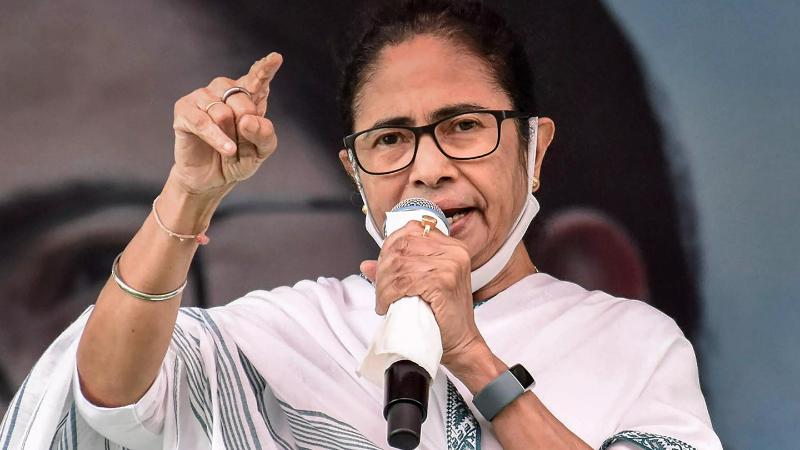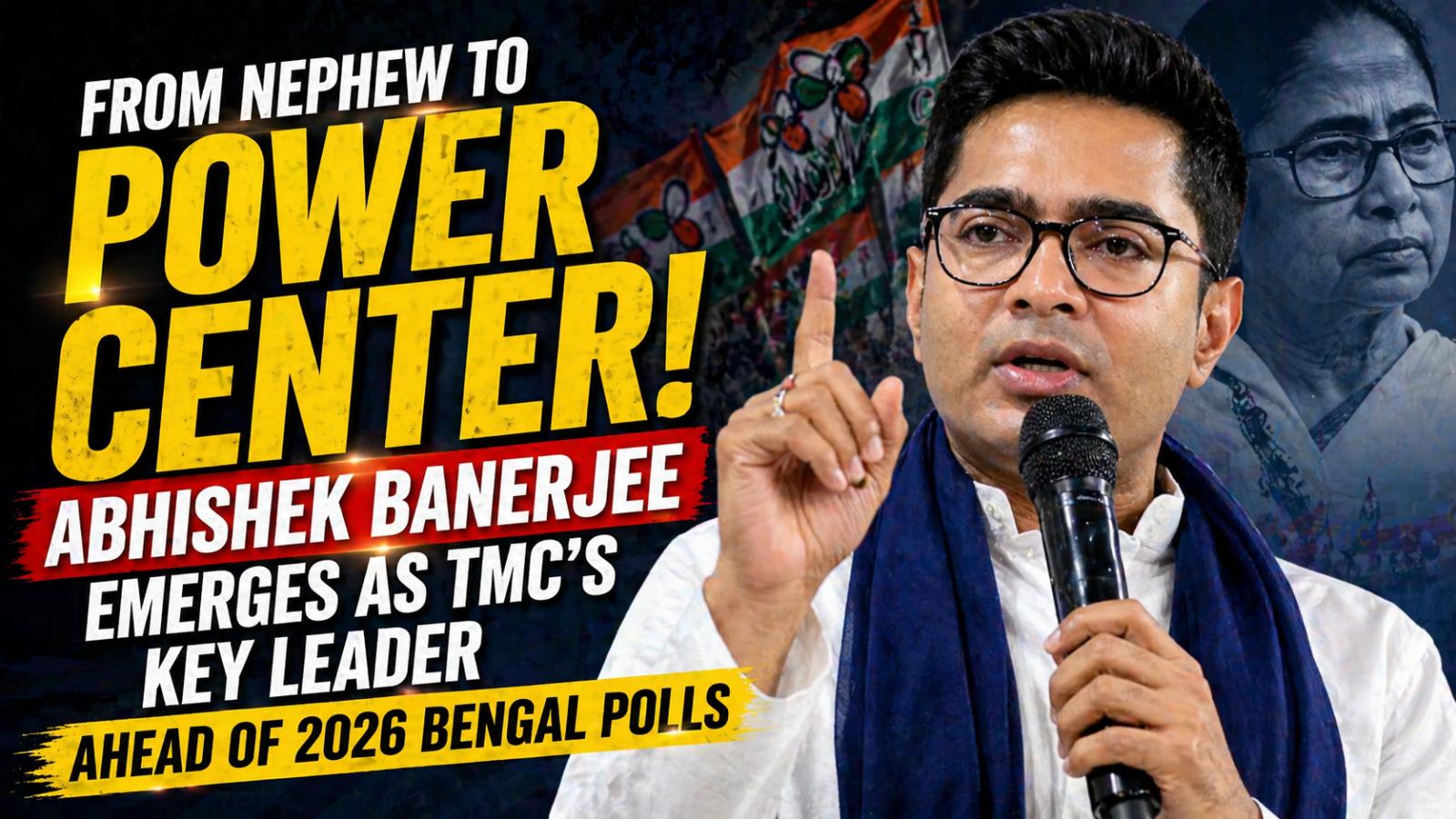
Abhishek Banerjee has steadily evolved into one of the most prominent faces of West Bengal politics, marking a significant transition within the Trinamool Congress. While he formally entered politics in 2011, his early exposure to political life came much earlier through his aunt, Mamata Banerjee, whose influence shaped his understanding of grassroots mobilization and political strategy.
Over the years, Abhishek Banerjee has worked to carve out his own identity, moving beyond perceptions tied to dynastic politics. Despite criticism labeling him as a beneficiary of family connections, he has consolidated his position through electoral success and organizational responsibilities. His debut in the Lok Sabha in 2014 from Diamond Harbour marked the beginning of his electoral journey, where he emerged as one of the youngest members of Parliament at the time.
His growing political influence has been reflected in successive election results, with increasing victory margins reinforcing his standing within the party. By 2021, his role expanded further when he was appointed general secretary of the Trinamool Congress, signaling his importance in shaping the party’s national and state-level strategies. His responsibilities have included leading campaigns, managing parliamentary responses, and strengthening the party’s outreach beyond traditional strongholds.
As West Bengal approaches the 2026 elections, Abhishek Banerjee’s role has become increasingly central. His campaign approach emphasizes data-driven planning, youth engagement, and booth-level organization, reflecting a shift toward a more structured and modern political strategy. At the same time, coordination between him and Mamata Banerjee continues to define the party’s electoral framework, with responsibilities distributed across regions and voter segments.
The upcoming election represents a critical moment in his political trajectory. It is widely viewed as a test of his leadership capabilities and his ability to expand the party’s influence amid strong competition. His emergence highlights an evolving political landscape in West Bengal, where generational transition and strategic adaptation are shaping the future direction of the Trinamool Congress.