Sunrise Prayer Marks the Semiquincentennial Opening
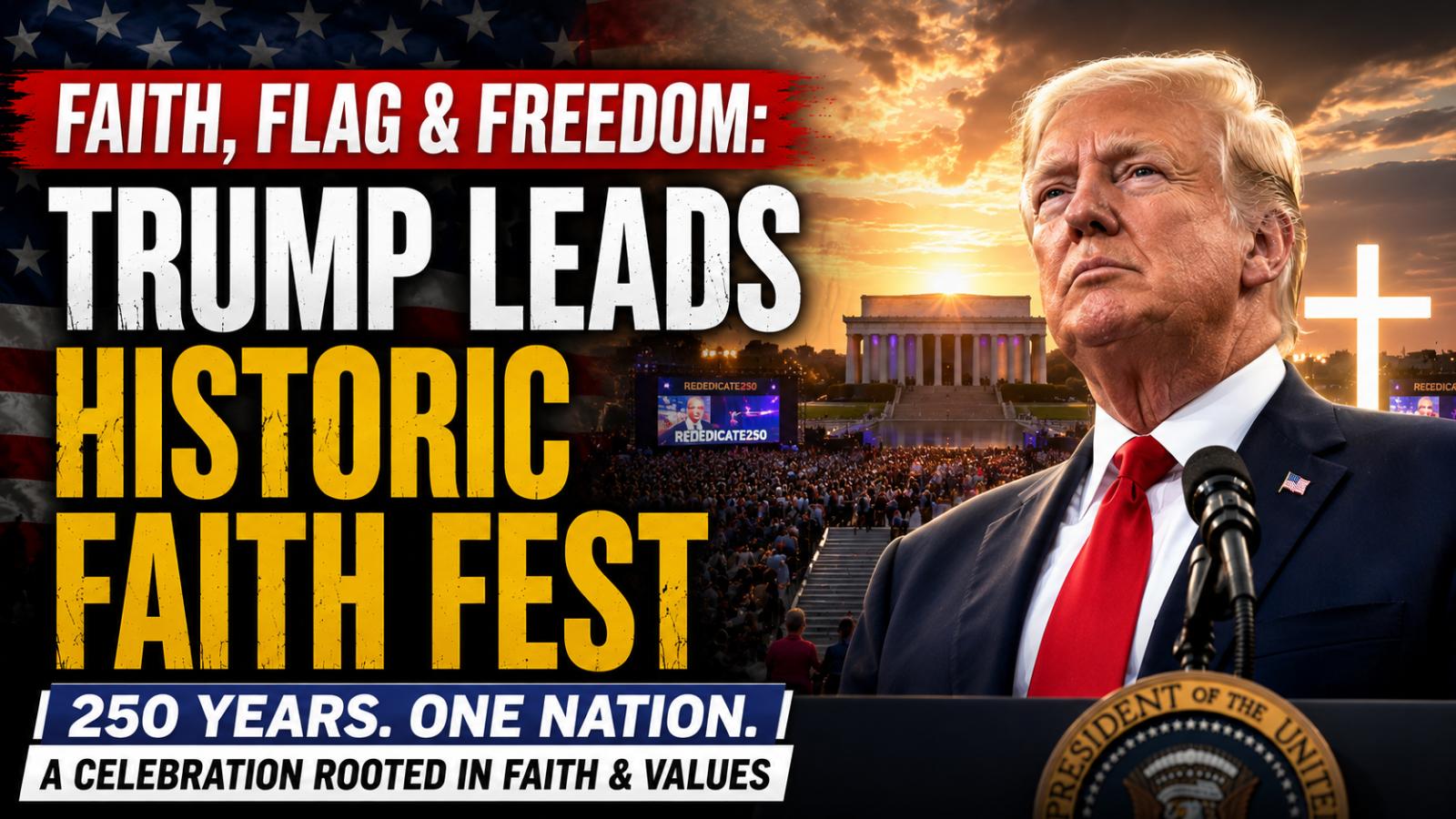
The unofficial opening of the American semiquincentennial on the National Mall began with a prayer at sunrise, followed by a day of hallelujahs and amens on May 17,2026. The “Rededicate 250” program featured a video greeting by President Donald Trump and speeches, in person or recorded, from Secretary of State Marco Rubio, Pentagon chief Pete Hegseth, and House Speaker Mike Johnson. Leaders emphasized the nation’s Christian roots and called for rededication to those values.
Celebrations and Public Response
Thousands of attendees, pushing strollers and carrying blankets, participated in the festival on a balmy Sunday. The event celebrated the 250th anniversary of the Declaration of Independence, highlighting the history and resilience of the United States as the world’s oldest constitutional democracy. While many embraced the festivities, some Americans noted that the event did not reflect the nation’s religious diversity, prompting debate about the appropriate role of religion in public life.
Debate Over Christian Heritage
Rubio highlighted the influence of Christianity from the Puritans onward, describing faith as a guiding force shaping the nation’s trajectory. Critics, however, argued that the event blurred the line between church and state. Robert Weissman, co-president of Public Citizen, described the festival as promoting a particular flavor of White evangelical Protestantism, raising concerns about the secular principles of the republic.
Reflecting Pool and Additional Controversies
The Lincoln Memorial Reflecting Pool was drained for repairs, including leak fixes and painting the basin “American Flag Blue,” a project introduced by Trump. The half-mile-long pool, situated at the heart of the Mall, became another point of discussion amid debates on symbolism, aesthetics, and public messaging.
National Discussion Continues
As the semiquincentennial celebrations unfolded, the event highlighted both the nation’s founding history and the contemporary discourse surrounding religious influence in public spaces. Discussions about church and state, national identity, and historical interpretation continued to spark conversations across the United States, reflecting the enduring complexities of public commemoration and civic life.