Strike Announcement And Causes
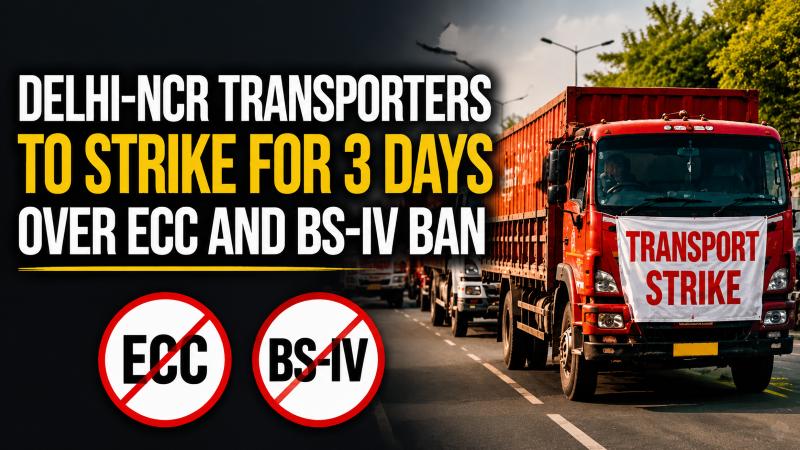
Truckers and transporters in Delhi-NCR have announced a three-day strike starting May 21, which could delay essential goods and disrupt supply chains. The All India Motor Transport Congress (AIMTC), representing 68 unions, said the protest targets the EC Cess hike on Delhi-bound goods vehicles and the ban on BS-IV commercial trucks from November. The Municipal Corporation of Delhi increased the EC Cess following a Supreme Court order to reduce pollution, raising charges from 15% to as much as 55% per trip. Transport operators warn this sudden hike heavily affects drivers, even for vehicles carrying essentials like vegetables, milk, and medicines.
AIMTC national president Harish Sabharwal emphasized that despite large EC collections since 2015, little has improved air quality. Truckers demand an immediate rollback of the EC Cess hike, reversal of the BS-IV ban, and exemption for BS-VI vehicles from the levy. The strike will involve all 68 unions, with trucks potentially stopped wherever they are, signaling major delays for goods movement in Delhi-NCR.
Economic Impact And Expert Opinions
Experts warn that the strike could impact markets and daily life across Delhi and surrounding regions. Trucks carry over 70% of the city’s freight, and delays may disrupt industries, retail, and household supply chains. Operators are concerned about the financial burden from the EC Cess hike and BS-IV ban, which may threaten livelihoods. Analysts also suggest the BS-IV ban may not be scientifically justified, as real-world emissions under traffic conditions are similar to BS-VI vehicles. Enforcement based on actual emissions, rather than registration, could be more effective. Authorities are urged to address these demands quickly to avoid extended disruption of goods transport, essential commodities, and logistics operations.