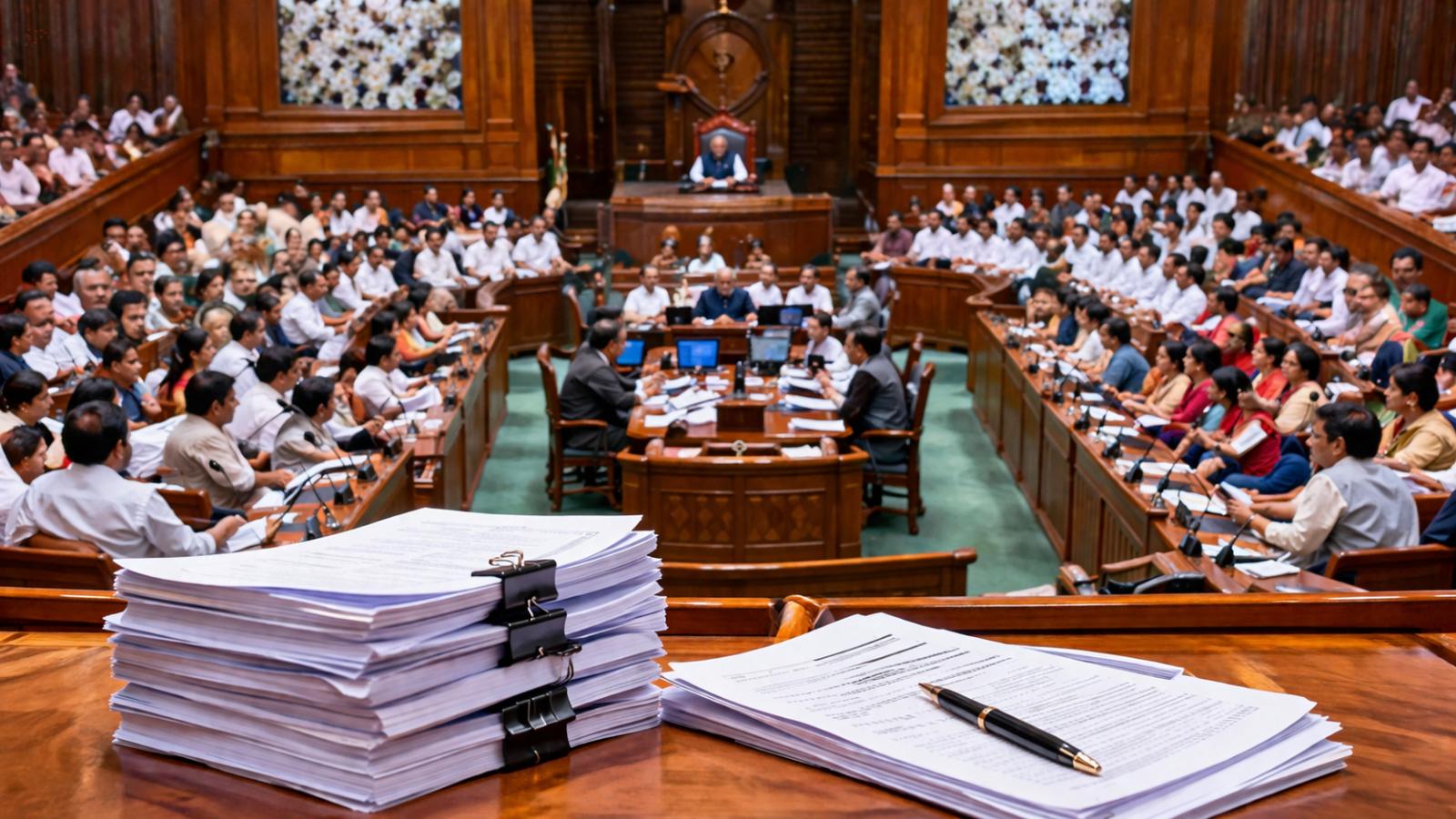
Alberta, one of Canada’s largest oil-producing provinces, will hold a historic referendum in October 2026 to decide whether to stay in Canada or start the legal process for independence. Premier Danielle Smith confirmed the vote this week, emphasizing the importance of a clear choice for the nearly five million residents. Citizens will decide between two options: remain part of Canada or initiate a binding vote on separation. A five-month campaign period will allow voters to fully understand the consequences of their decision.
Reasons Behind the Referendum
Support for Alberta’s independence has been fueled by perceptions of underrepresentation and economic constraints imposed by federal policies. The Alberta Prosperity Project, led by local entrepreneur Mitch Sylvestre and Calgary lawyer Jeffrey Rath, argues that Ottawa’s oversight, environmental regulations, and fiscal policies have limited provincial growth. In response, the Forever Canadian campaign, spearheaded by former deputy premier Thomas Lukaszuk, gathered more than 400,000 signatures advocating for Alberta to remain in Canada. This referendum comes after significant public petitions and debates, highlighting widespread engagement on the province’s future.
Understanding Canada’s Legal Framework for Secession
Under Canadian law, a province cannot unilaterally leave the federation. The Supreme Court of Canada, following Quebec’s 1995 referendum, ruled that separation requires a clear question and a clear majority. The Clarity Act mandates that the House of Commons determine the clarity of the referendum question and results. Any successful bid for independence would require extensive negotiations with Ottawa and other provinces, including constitutional amendments to address borders, governance, and resource management.
What Voters Need to Know ?
Albertans will be asked to select either Option A, to remain part of Canada, or Option B, to begin the legal process toward independence. Legal analysts warn that a vote for separation could trigger complex negotiations on federal representation, resource allocation, and national institutions. This referendum highlights ongoing sentiments of western alienation, where many citizens feel underrepresented in national decision-making. The outcome could reshape the political and economic landscape of both Alberta and Canada, making it a decisive moment for residents and policymakers alike.
Potential Impacts and Next Steps
If the majority opts for independence, Alberta would enter negotiations with the federal government to outline the terms of separation. This would affect national resources, trade, and constitutional arrangements. Conversely, a vote to remain would reaffirm Alberta’s position within Canada but may not resolve underlying tensions regarding western representation and economic policy.