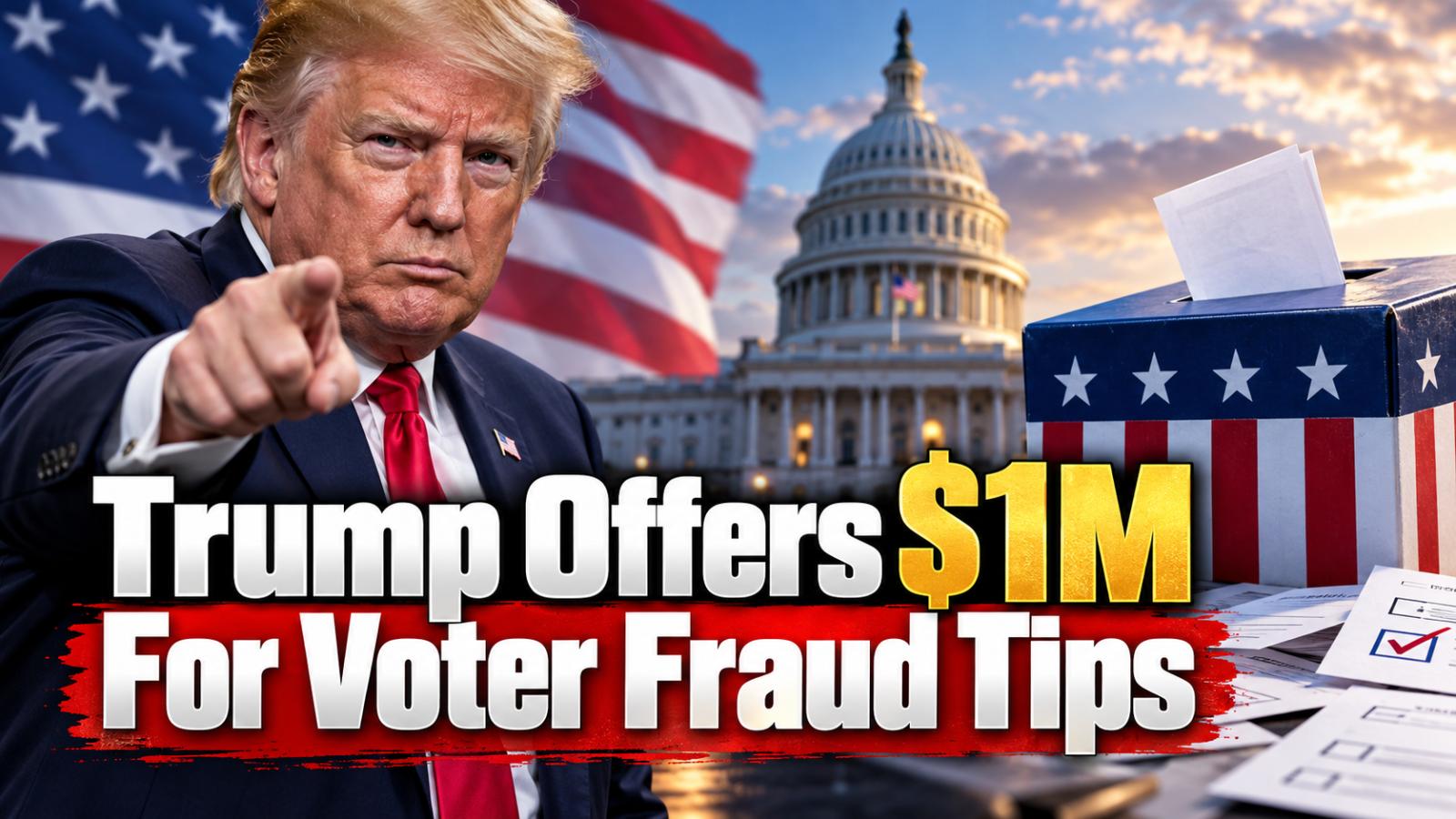
US President Donald Trump announced a $1 million reward on October 26 for information about voter fraud that leads to an arrest and conviction. The announcement, made eight days before the November 3 midterm elections, has raised questions about how the reward would operate and who would finance it.
Trump Announces Voter Fraud Reward
Trump made the announcement on Truth Social, saying that people who report voter fraud in previous elections or the upcoming 2026 midterms could receive $1 million if their information leads to an arrest and conviction.
He repeated the offer while speaking to reporters before travelling to a campaign rally in Mississippi.
The president did not identify any specific fraud case connected to the announcement or explain which government agency would oversee the reward.
Voter Fraud Reward Eligibility and Funding
The proposed payment would depend on information resulting in both an arrest and a criminal conviction.
However, the White House has not clarified how people should submit information, who would investigate claims or where the money would come from.
It also remains unclear whether the administration would need additional legal authority or congressional funding to implement the proposal.
Until those details are announced, the statement should be treated as a proposed reward rather than an established payment programme.
US Midterm Elections November 2026
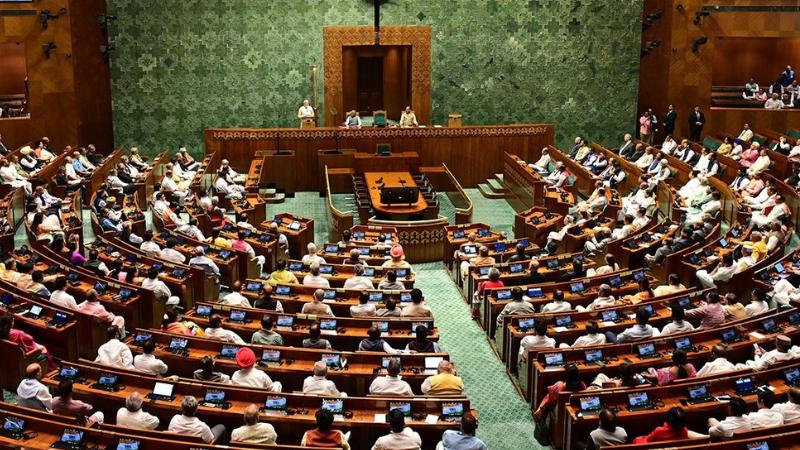
The announcement comes shortly before Americans vote in the November 3 congressional midterm elections.
Republicans are seeking to retain control of the House of Representatives and Senate, while Democrats are campaigning to regain congressional power.
The election results will determine which party controls Congress during the remaining two years of Trump's presidency.
Control of either chamber could affect legislation, federal spending decisions and congressional oversight of the administration.
Trump Election Fraud Claims and 2020 Vote
Trump has repeatedly alleged widespread election fraud, including claims that he won the 2020 presidential election.
Courts and election officials did not establish widespread fraud capable of changing the 2020 result. Joe Biden won that election.
Trump maintains that stronger election safeguards are necessary. Critics argue that repeated unsupported claims can weaken public confidence in voting.
The latest reward proposal places renewed attention on election security and the importance of evidence-based fraud investigations.
Justice Department Alaska Election Lawsuit
The Justice Department has also filed a lawsuit concerning Alaska's closely watched Senate election.
The case involves Republican incumbent Dan S. Sullivan and another candidate, Daniel J. Sullivan, whose similar name officials argue could confuse voters.
Federal lawyers want to delay certification if the disputed votes could affect the outcome, pending further investigation.
The allegations remain subject to court review. Together, the lawsuit and Trump's reward announcement have intensified scrutiny of federal actions before the midterm vote.