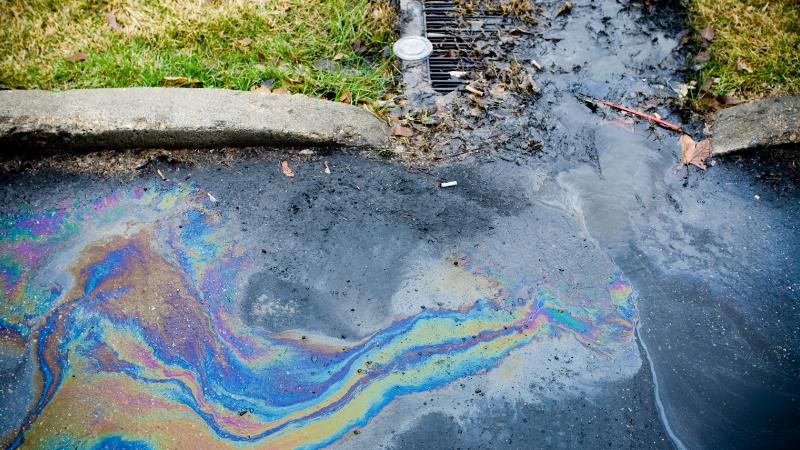
Emergency crews responded promptly to the incident, setting up containment booms to absorb the kerosene and limit its spread. However, overnight rainfall and rising water levels on Wednesday posed additional challenges. Stronger currents caused the fuel to spread more rapidly and shifted some of the absorbent materials out of place, reducing the effectiveness of the initial containment efforts.
Officials monitoring the situation emphasized that, despite the spread of the spill, there is currently no known danger to the public’s health. The primary concern for nearby residents is the noticeable odor of kerosene, described as similar to that found at a gas station. While unpleasant, the smell is not considered hazardous under current conditions. Residents in the affected area are being advised to stay alert but not alarmed.
A private environmental services company has been called in to manage the containment and cleanup process under the oversight of state environmental authorities. Crews remain on-site, reinforcing barriers and continuously monitoring conditions to prevent further movement of the kerosene into larger bodies of water. Additional cleanup equipment is expected to be deployed as needed.
Local officials have issued guidance for the community, requesting that residents avoid the impacted streams and refrain from using open flames or conducting any activity that could produce sparks near the contaminated zones due to the flammable nature of fuel vapors. While there have been no reports of injuries or evacuations, caution is being strongly encouraged.
This kerosene leak has raised environmental concerns, particularly in urban areas where stormwater systems can carry pollutants rapidly across multiple neighborhoods. Officials have not disclosed the exact cause of the spill but investigations are underway. They are also coordinating with local emergency response teams and environmental agencies to assess potential long-term impacts on the ecosystem and water quality.
The situation is evolving, and updates will continue to be released to the public as more information becomes available. The focus remains on mitigating environmental damage, ensuring public safety, and preventing the fuel from entering larger regional water systems.
This incident underscores the importance of preparedness and rapid response protocols when dealing with hazardous materials, especially in populated areas. As cleanup efforts progress, authorities are working diligently to minimize disruptions to the community and restore environmental safety in the region.