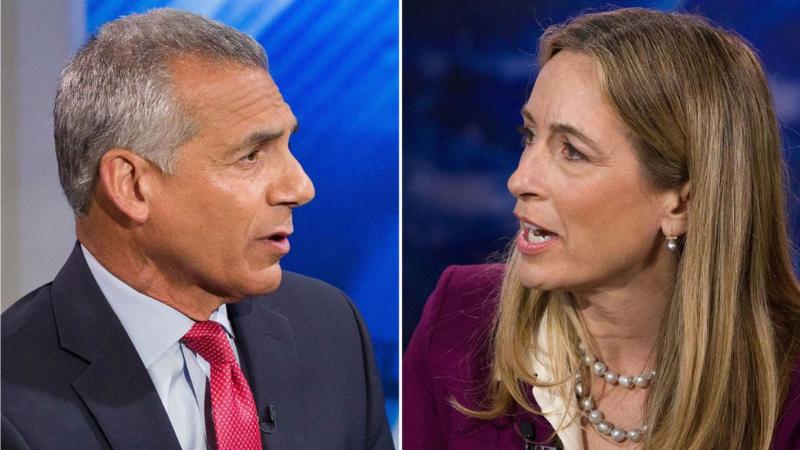
The race for New Jersey governor is now set following the primary victories of Democratic Representative Mikie Sherrill and Republican Jack Ciattarelli. Both candidates are now preparing for a competitive general election in November that is likely to center around key issues such as affordability, state taxes, and public trust in leadership.
Sherrill secured the Democratic nomination by defeating five prominent contenders, including a fellow member of Congress, major city mayors, a former state Senate leader, and a top labor leader. Her campaign emphasized her background as a Navy pilot and federal prosecutor, positioning her as a steady and capable leader. She entered the political scene in 2018, winning a seat in a district long held by Republicans, and has since established herself as a strong voice on state and national matters.
Her campaign messaging focused on addressing New Jersey’s rising cost of living, with specific attention to housing affordability. She proposed boosting development incentives to encourage construction of more housing and advocated for smart, incremental changes rather than sweeping overhauls. Sherrill received key endorsements from influential local organizations and advocacy groups, including those focused on women’s issues and reproductive rights, helping her build a solid coalition across the state.
Her success also marks a potentially historic moment. If elected, she would become New Jersey’s second female governor, following Christine Todd Whitman. The current Democratic governor is term-limited and did not endorse a successor in the primary, leaving the field open for Sherrill to define her own leadership vision for the state.
On the Republican side, Ciattarelli secured his party's nomination after a decisive win over multiple challengers, including a state senator and a former mayor. A former state assemblyman and small business owner, Ciattarelli is once again seeking the governorship, having narrowly lost in a previous attempt. This time, his campaign was buoyed by support from within his party and an endorsement from the former president late in the race.
Ciattarelli’s platform centers around reducing New Jersey’s notoriously high property taxes and reforming how the state government operates. He has pledged to overhaul fiscal policy and improve efficiency in government spending, drawing support from voters frustrated by years of high taxes and limited structural change. His campaign highlights a pragmatic approach, promising results-driven leadership.
Although Ciattarelli has embraced national conservative themes to unify the party base, he will also need to appeal to the broader, moderate electorate of New Jersey. The state has a history of electing Republican governors despite leaning Democratic in federal contests, giving him a realistic path to victory if he can successfully navigate the political center.
For some voters, national politics are secondary to pressing state issues. Many are focused on practical concerns like housing costs, taxes, and economic stability. Supporters of Ciattarelli often cite his financial experience and common-sense approach to government as reasons for their backing.
The race also offers both major parties a valuable opportunity to test their messages in one of only two states holding gubernatorial elections this year. The outcome could influence national strategy ahead of the next midterm elections, especially in how each party approaches suburban voters, economic messaging, and post-pandemic governance.
Historically, New Jersey’s gubernatorial races often diverge from its federal voting patterns. While the state has consistently supported Democratic presidential and Senate candidates, its voters have shown a willingness to elect Republican governors when economic issues dominate the conversation. This trend could benefit Ciattarelli if he can effectively frame the election as a referendum on affordability and government performance.
Meanwhile, Sherrill’s focus on measured reform and community-oriented leadership resonates with a significant segment of the electorate, particularly women and young professionals concerned about housing and healthcare. Her ability to maintain a broad, disciplined coalition will be crucial as she seeks to extend Democratic control of the governor’s office for another term.
As the general election begins in earnest, both candidates face the challenge of unifying their bases while appealing to independents and moderates. With affordability, housing, and economic opportunity likely to dominate the campaign narrative, the race for New Jersey governor promises to be one of the most closely watched and consequential contests of the year.
Sherrill secured the Democratic nomination by defeating five prominent contenders, including a fellow member of Congress, major city mayors, a former state Senate leader, and a top labor leader. Her campaign emphasized her background as a Navy pilot and federal prosecutor, positioning her as a steady and capable leader. She entered the political scene in 2018, winning a seat in a district long held by Republicans, and has since established herself as a strong voice on state and national matters.
Her campaign messaging focused on addressing New Jersey’s rising cost of living, with specific attention to housing affordability. She proposed boosting development incentives to encourage construction of more housing and advocated for smart, incremental changes rather than sweeping overhauls. Sherrill received key endorsements from influential local organizations and advocacy groups, including those focused on women’s issues and reproductive rights, helping her build a solid coalition across the state.
Her success also marks a potentially historic moment. If elected, she would become New Jersey’s second female governor, following Christine Todd Whitman. The current Democratic governor is term-limited and did not endorse a successor in the primary, leaving the field open for Sherrill to define her own leadership vision for the state.
On the Republican side, Ciattarelli secured his party's nomination after a decisive win over multiple challengers, including a state senator and a former mayor. A former state assemblyman and small business owner, Ciattarelli is once again seeking the governorship, having narrowly lost in a previous attempt. This time, his campaign was buoyed by support from within his party and an endorsement from the former president late in the race.
Ciattarelli’s platform centers around reducing New Jersey’s notoriously high property taxes and reforming how the state government operates. He has pledged to overhaul fiscal policy and improve efficiency in government spending, drawing support from voters frustrated by years of high taxes and limited structural change. His campaign highlights a pragmatic approach, promising results-driven leadership.
Although Ciattarelli has embraced national conservative themes to unify the party base, he will also need to appeal to the broader, moderate electorate of New Jersey. The state has a history of electing Republican governors despite leaning Democratic in federal contests, giving him a realistic path to victory if he can successfully navigate the political center.
For some voters, national politics are secondary to pressing state issues. Many are focused on practical concerns like housing costs, taxes, and economic stability. Supporters of Ciattarelli often cite his financial experience and common-sense approach to government as reasons for their backing.
The race also offers both major parties a valuable opportunity to test their messages in one of only two states holding gubernatorial elections this year. The outcome could influence national strategy ahead of the next midterm elections, especially in how each party approaches suburban voters, economic messaging, and post-pandemic governance.
Historically, New Jersey’s gubernatorial races often diverge from its federal voting patterns. While the state has consistently supported Democratic presidential and Senate candidates, its voters have shown a willingness to elect Republican governors when economic issues dominate the conversation. This trend could benefit Ciattarelli if he can effectively frame the election as a referendum on affordability and government performance.
Meanwhile, Sherrill’s focus on measured reform and community-oriented leadership resonates with a significant segment of the electorate, particularly women and young professionals concerned about housing and healthcare. Her ability to maintain a broad, disciplined coalition will be crucial as she seeks to extend Democratic control of the governor’s office for another term.
As the general election begins in earnest, both candidates face the challenge of unifying their bases while appealing to independents and moderates. With affordability, housing, and economic opportunity likely to dominate the campaign narrative, the race for New Jersey governor promises to be one of the most closely watched and consequential contests of the year.