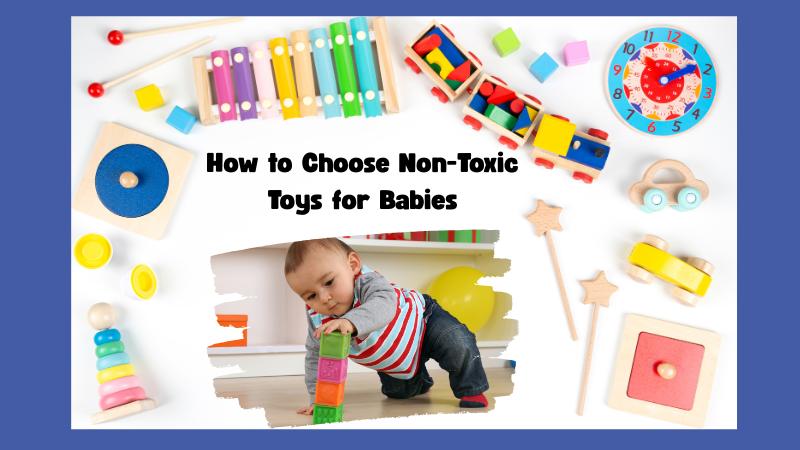
When it comes to babies, safety is every parent’s top priority. Toys play a big role in early development, but not all toys are created equal. Some may contain harmful chemicals, paints, or plastics that are unsafe for infants who often explore the world by putting things in their mouths. Choosing non-toxic toys is an essential step to protect your child’s health while also encouraging safe play and learning.
Focus on Safe Materials
The first thing to look for when buying toys is the material. Natural and non-toxic options like organic cotton, untreated wood, and food-grade silicone are safer than toys made from PVC or low-quality plastics. Wooden toys are durable, eco-friendly, and often finished with non-toxic paints or natural oils. Always check product labels to ensure toys are free from BPA, phthalates, lead, and harmful dyes.
Check for Safety Certifications
Reputable brands usually follow international safety standards such as ASTM, EN71, or CPSIA compliance. These certifications guarantee that toys have been tested for harmful substances and meet strict safety guidelines. Choosing certified toys gives parents peace of mind that their baby’s playtime is worry-free.
Pick Age-Appropriate Designs
Babies need toys that are simple, lightweight, and safe to handle. Avoid toys with small detachable parts that could pose choking hazards. Non-toxic teethers, rattles, and soft cloth toys are excellent for early months. As babies grow, safe stacking blocks, sensory toys, and musical instruments can encourage motor skills and creativity without compromising safety.
Pay Attention to Finishes and Colors
The type of paint or finish used on toys matters. Non-toxic, water-based paints are much safer than synthetic coatings that may chip and be ingested. Choosing toys from eco-friendly brands that are transparent about their materials ensures that parents know exactly what their child is playing with.
Look for Easy-to-Clean Options
Since babies often put toys in their mouths, hygiene is important. Non-toxic toys should be easy to clean—silicone and cloth toys can usually be washed or sanitized, while untreated wooden toys can be wiped with mild solutions. Regular cleaning helps keep playtime safe and extends the toy’s life.
Non-toxic toys not only safeguard your baby’s health but also support safe and meaningful play. By focusing on quality materials, certified safety standards, and trusted brands, parents can provide their children with toys that are fun, durable, and protective. Making thoughtful choices today helps create a safe environment for your baby’s growth and development.