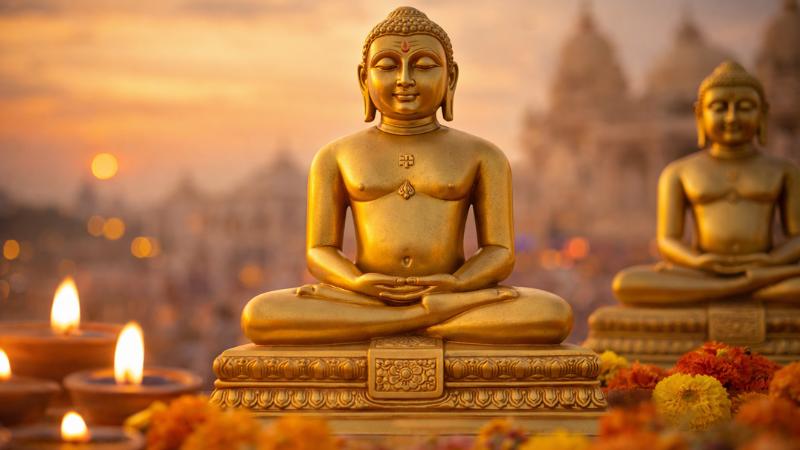
Mahavir Jayanti is a significant festival in Jainism that celebrates the birth of Lord Mahavir, the 24th and last Tirthankara. This day is observed with great reverence and devotion by Jains across India and worldwide. The festival marks the birth of Lord Mahavir, who was born in 599 BCE in Kundagrama, near present-day Vaishali. His teachings have profoundly influenced the Jain community and beyond, encouraging people to lead a life filled with peace, compassion, truth, and non-violence. Mahavir Jayanti not only commemorates Lord Mahavir’s birth but also serves as a reminder to follow his principles of renunciation, self-discipline, and compassion.
In 2026, Mahavir Jayanti falls on March 31. The day is observed on the 13th day of the Chaitra month in the Hindu calendar, and its date changes each year based on the lunar calendar. According to Drik Panchang, the sacred Trayodashi Tithi for Mahavir Jayanti begins on March 30 at 07:09 AM and ends on March 31 at 06:55 AM, making these times particularly important for observances. During this period, devotees engage in spiritual reflection, prayers, and charitable activities, honoring Lord Mahavir's teachings.
Lord Mahavir’s teachings are grounded in five core principles that form the foundation of Jainism:
- Ahimsa (Non-violence) – Avoiding harm to any living being.
- Satya (Truth) – Being truthful in thoughts, words, and actions.
- Asteya (Non-stealing) – Not taking anything that belongs to others.
- Brahmacharya (Celibacy) – Practicing self-restraint and maintaining purity.
- Aparigraha (Non-possessiveness) – Letting go of material attachments and desires.
These principles guide followers to live a life of simplicity, compassion, and non-violence. Lord Mahavir’s spiritual awakening and liberation (Moksha) at the age of 72 continue to inspire millions of people, not only in Jainism but in various other religious and spiritual traditions.
Significance of Mahavir Jayanti
Mahavir Jayanti is deeply spiritual for the Jain community as it marks the birth of the spiritual guide who illuminated the path of liberation for his followers. The festival is a reflection of his renunciation and detachment from worldly desires. It emphasizes self-discipline, non-violence, truth, and compassion toward all living beings, making it an important occasion for self-reflection and personal growth.
On Mahavir Jayanti, Jains across the world celebrate by performing acts of kindness and charity to honor Lord Mahavir's teachings of compassion. The festival encourages voluntary service in various forms, such as donating food, clothes, and medicines to the needy and volunteering at animal shelters, as Lord Mahavir was a strong proponent of non-violence toward all beings.
Rituals and Celebrations
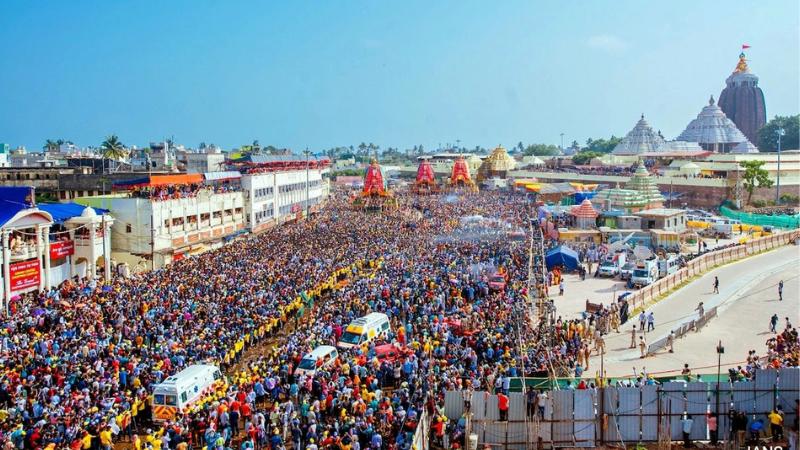
Rituals for Mahavir Jayanti are simple, yet profound, symbolizing purity and devotion. One of the most widely practiced rituals is the rath yatra (procession). During this procession, idol representations of Lord Mahavir are carried in beautifully decorated chariots through the streets, accompanied by devotional songs, chanting, and prayers. This procession serves as an expression of reverence and devotion, with the Jain community coming together in unity.
Another significant ritual is Abhisheka, which involves the ceremonial washing of Lord Mahavir's idols using water, milk, and fragrant oils. This ritual symbolizes purification and the respect devotees hold for the Tirthankara. It is also an expression of their desire to cleanse themselves from the impurities of the material world.
Many followers of Jainism also observe fasting or a restricted diet on Mahavir Jayanti. Fasting is seen as a way of purifying the body and mind, making them more attuned to Lord Mahavir’s teachings of detachment and self-control. Devotees often dedicate the day to meditation, listening to spiritual discourses, or reading Jain scriptures, all of which help foster a deeper understanding of Lord Mahavir’s teachings.
Spiritual Reflection and Community
Mahavir Jayanti is more than just a festival—it’s a time for deep spiritual reflection and community bonding. The Jain community gathers in temples, reciting prayers and scriptures that highlight the key lessons of Ahimsa, Satya, and Aparigraha. Many devote themselves to service by distributing free food, organizing Bhandaras (community feasts), and performing charitable acts in Lord Mahavir’s name. It is a day where the community comes together to focus on spreading peace and goodwill, following Mahavir’s example of compassion.
The festival's central theme is that of truth and non-violence. Lord Mahavir’s life and teachings encourage people to treat others with kindness, to refrain from causing harm, and to lead a life dedicated to virtue. Mahavir Jayanti offers a powerful opportunity for followers to reflect on their own lives, realign themselves with these core values, and commit to leading a more compassionate existence.
Mahavir Jayanti is not just a time to celebrate Lord Mahavir’s birth, but also an opportunity to renew our commitment to truth, non-violence, and compassion. It is a call to live a life of virtue, helping others, embracing simplicity, and walking the path of spiritual enlightenment. Through rituals, prayers, and charitable acts, Jains all over the world reaffirm their devotion to the principles Lord Mahavir set forth centuries ago.