Ashada Masam 2026 begins on July 15 and ends with Amavasya on August 12. The Telugu lunar month is known as Shunya Masam, yet it remains spiritually important for Bonalu, Rath Yatra, Gupt Navratri, Toli Ekadashi, Chaturmasya and Guru Purnima festivals.
Ashada Masam is the fourth month in the traditional Telugu lunar calendar and holds an important place in Hindu religious customs. Although many families avoid weddings, housewarming ceremonies and other auspicious events during this period, the month is filled with festivals, spiritual practices and seasonal traditions.
Ashada Masam also marks the transition from Uttarayana to Dakshinayana, when the Sun begins its southward journey. The period usually coincides with the arrival of the monsoon, bringing cooler weather, rainfall and renewed agricultural activity across many parts of India.
Ashada Masam 2026 Dates
- According to the Telugu lunar calendar, Ashada Masam 2026 begins on Wednesday, July 15, 2026, and concludes with Amavasya on Wednesday, August 12, 2026. The following day marks the beginning of Sravana Masam.
- The month gets its name from the position of the Moon near Purvashada or Uttarashada Nakshatra on the full moon day. It is also considered a transitional month between the intense summer season and the monsoon period.
- With the Sun moving from Mithuna Rashi to Karka Rashi, Dakshinayana begins. This astronomical and religious transition is considered an important phase for prayer, charity, meditation and personal discipline.
Why Ashada Masam Is Called Shunya Masam
- Ashada Masam is commonly described as Shunya Masam, during which traditional Hindu families generally avoid conducting marriages, housewarming ceremonies, sacred-thread ceremonies and other major auspicious functions.
- However, Shunya Masam does not mean that the entire month is impure or unsuitable for worship. Religious traditions consider it a valuable period for chanting, fasting, scriptural reading, bathing rituals, donations and temple visits.
- Some traditional texts also associate Ashada Masam with the beginning of house construction. It is believed that starting construction during this month may bring prosperity, food security, livestock wealth and material well-being to the household.
- Families traditionally use this period to clean brass, bronze and copper utensils and polish silver or gold ornaments. These customs may have developed as practical seasonal routines before the beginning of prolonged monsoon conditions.
Major Festivals During Ashada Masam
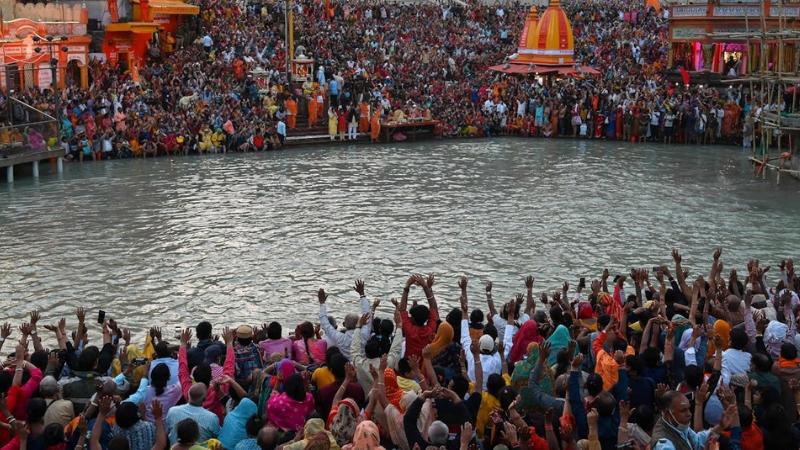
- Bonalu is one of the most prominent festivals observed during Ashada Masam, particularly in Telangana. Devotees offer decorated pots of food to village goddesses, fulfil vows and pray for the health and protection of their families and communities.
- The Jagannath Rath Yatra is another major celebration associated with this period. Large numbers of devotees gather to witness the chariot procession of Lord Jagannath, Lord Balabhadra and Goddess Subhadra.
- Gupt Navratri is also observed for nine days during Ashada Masam. Devotees worship different forms of the Goddess through prayer, fasting, mantra chanting and private spiritual practices.
- Toli Ekadashi, also known as Shayana Ekadashi, is considered one of the most significant days of the month. Hindu tradition says Lord Vishnu enters Yoga Nidra on this day. Saints, spiritual teachers and devotees begin the four-month Chaturmasya observance, which continues until Kartika Shukla Ekadashi.
- Ashada Purnima is celebrated as Guru Purnima or Vyasa Purnima. Devotees honour their teachers and remember Maharishi Vyasa, who is traditionally associated with the compilation and preservation of important Hindu scriptures.
- Skanda Vratham is observed on Ashada Shukla Shashti with prayers to Lord Subrahmanya. Traditional belief holds that the observance may support those praying for marriage or children.
Varahi Navratri 2026: Dates, Vrat Vidhan and Puja Guide
Spiritual And Seasonal Significance
- Ashada Masam arrives when the weather begins changing from summer heat to monsoon rainfall. Increased moisture and changing temperatures can affect daily routines, food habits and personal hygiene.
- Applying henna to the hands and feet is a widely followed Ashada tradition in many Telugu households. Beyond its cultural importance, it is regarded as a cooling seasonal practice.
- The month is also considered suitable for slowing down, focusing on spiritual discipline and reviewing personal priorities. Prayer, meditation, charity, fasting and devotional reading are encouraged instead of large social celebrations.
- Other observances include Bhoga Saptami, when some communities worship trees and pray for sufficient rainfall. Kamada Ekadashi is also observed with prayers for the fulfilment of wishes and spiritual liberation.
- Ashada Masam may be called Shunya Masam because major ceremonies are avoided, but it remains one of the most spiritually active months in the Telugu calendar. Its festivals, monsoon traditions and devotional practices make it a meaningful period for worship, self-discipline and community celebrations.