Andhra Pradesh stands on the cusp of a major transformation as it witnesses the grand inauguration of Amaravati 2.0, a revival and expansion project that is expected to shape the future of the state for decades to come. In a high-profile event today, Prime Minister Narendra Modi joins Chief Minister Chandrababu Naidu and Deputy Chief Minister Pawan Kalyan to lay the foundation for this visionary venture. The inauguration has garnered national attention, with lakhs of people expected to participate, making it one of the largest public gatherings in the state’s recent history.
The Prime Minister is scheduled to arrive in Andhra Pradesh around 2:50 PM and will proceed to the Amaravati region soon after. The Government of Andhra Pradesh has pulled out all the stops to mark this occasion with grandeur, considering it a matter of immense prestige. Reports suggest that over five lakh attendees, including farmers from the Amaravati capital region and the general public, are converging to express their support and anticipation for what’s being termed as a “crucial revival project.”
For many residents and stakeholders in Amaravati, this moment represents the end of a long and uncertain period. After enduring five years of stalled development under the previous Y.S. Jagan Mohan Reddy administration, the people now look forward to the promise of a new era under Chandrababu Naidu’s leadership. There is a palpable sense of hope and enthusiasm across the state, as Amaravati, once a symbol of halted dreams, begins its journey toward becoming a model global city.
The event is especially notable for the reunion of three major political figures Prime Minister Narendra Modi, CM Chandrababu Naidu, and Deputy CM Pawan Kalyan on a shared stage. It marks a renewed spirit of cooperation and ambition that could shape Andhra Pradesh’s future in a big way. Such a visual, after a long political gap, is significant for the state's morale and symbolic of unified intent toward development. The foundation works being inaugurated today are worth a staggering ₹57,962 crore. These projects include key infrastructure, AI and tech hubs, green energy zones, smart city planning, and modern administrative buildings. The revival plan includes not only resuming stalled constructions but also expanding the scope to include cutting-edge developments that position Amaravati as a futuristic city on the global map.
Prime Minister Modi will be briefed on Amaravati’s long-term vision one that aspires to make it a hub for innovation, sustainability, and economic excellence. According to sources, this vision includes the integration of artificial intelligence ecosystems, renewable energy zones, smart transportation systems, and state-of-the-art civic amenities. This aligns with the broader national agenda of developing world-class urban infrastructure that contributes to India's global competitiveness.
Chief Minister Chandrababu Naidu has already made clear that the Amaravati 2.0 project is not just a symbolic restart but a practical, time-bound mission. He has announced a three-year action plan to complete the major phases of Amaravati’s development and is also lobbying for formal recognition of Amaravati as the state’s sole capital at the Union Cabinet level. This move is expected to not only restore investor confidence but also attract foreign direct investments (FDI) and global partnerships in sectors like technology, infrastructure, education, and energy. Chandrababu’s previous tenure had laid a strong foundation for Amaravati, and now with political backing and national attention, there’s renewed momentum.
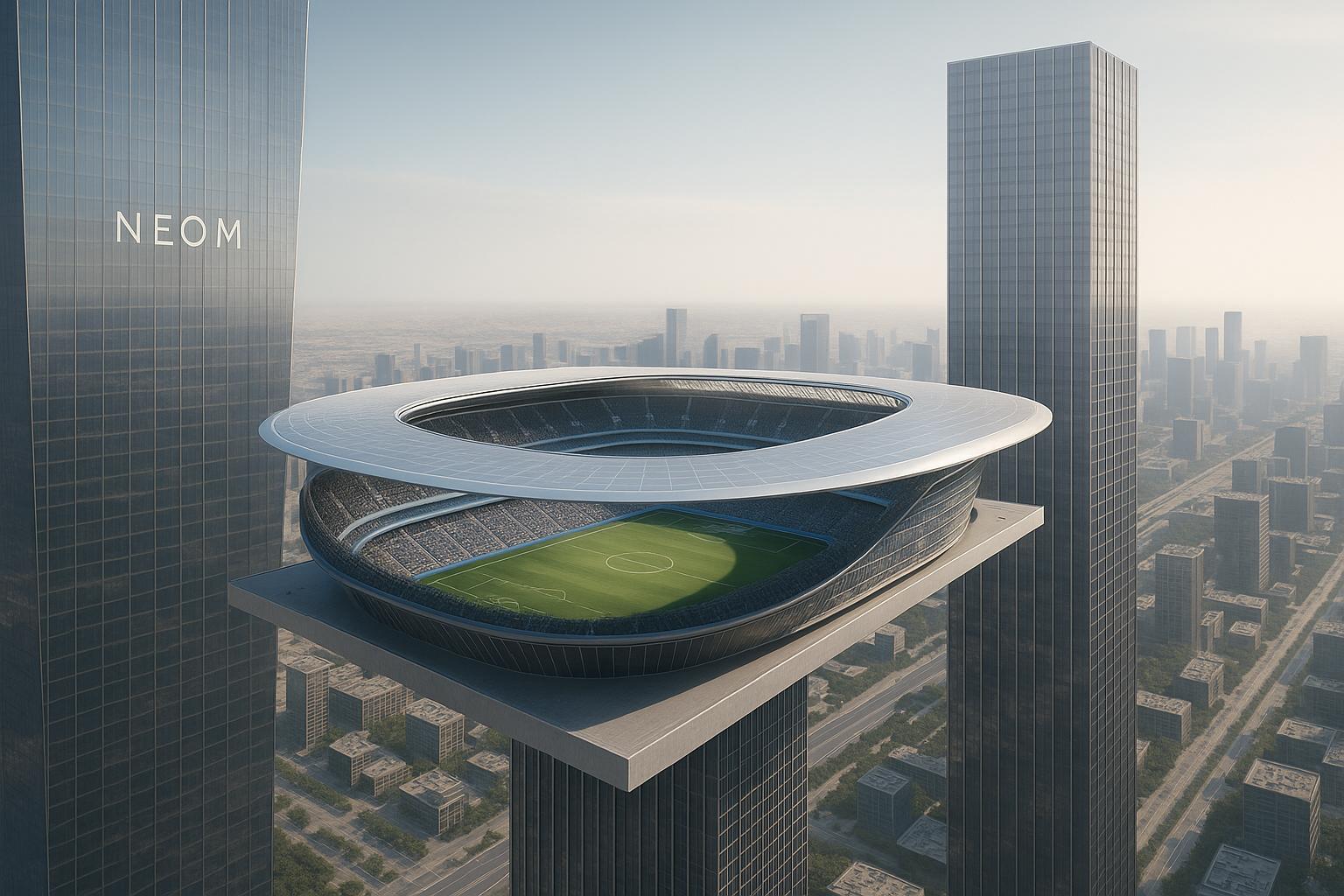
Amaravati 2.0 is being envisioned as a scalable, sustainable smart city that will serve as the administrative, economic, and innovation capital of Andhra Pradesh. The project promises to create thousands of jobs, support agriculture-linked urban development, and deliver quality public services using next-generation technology. As the people of Andhra Pradesh rally behind this transformative project, the state looks forward to a future where Amaravati is no longer just a political idea or an incomplete plan, but a thriving, global city born from persistence, leadership, and visionary governance.