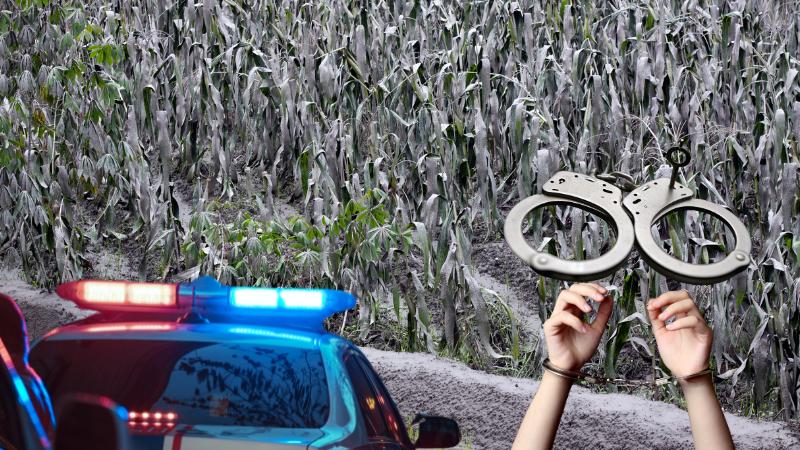
Two citizens of China have been arrested and charged in the United States over the illegal smuggling of a dangerous crop-destroying fungus, raising serious concerns over biosecurity, agricultural sustainability, and national safety. The individuals, identified as Yunqing Jian, 33, and Zunyong Liu, 34, were both taken into federal custody following an investigation that uncovered their involvement in bringing a banned agricultural pathogen into the country. Authorities from the United States Attorney’s Office for the Eastern District of Michigan confirmed the charges, which include conspiracy, smuggling prohibited goods into the US, making false statements to federal agents, and visa fraud.
The pathogen at the heart of the case is Fusarium graminearum, a highly aggressive agricultural fungus known for causing head blight in major food crops like wheat, barley, maize, and rice. This disease is responsible for immense economic damage across the globe, with billions of dollars in losses recorded due to reduced crop yields and contamination. The fungus not only affects plant health but also produces harmful mycotoxins, which pose significant health hazards to both humans and animals when consumed, making it a critical biosecurity threat.
Federal prosecutors allege that Jian and Liu smuggled the fungus into the United States through Detroit Metropolitan Airport and intended to use it for research at the University of Michigan, where Jian had employment in a laboratory setting. Investigators further revealed that Jian reportedly received funding from the Chinese government to conduct related research and had documented ideological alignment with the Chinese Communist Party. Liu, who is Jian's boyfriend and a researcher at a Chinese university, was initially uncooperative during the investigation but eventually confessed to transporting the pathogen into the US.
According to officials, this act of smuggling a biological agent into the country under the guise of academic research presents a grave threat to public health and national security. The presence of such a harmful organism within a research institution without proper oversight or legal authorization has triggered deep concern among authorities responsible for safeguarding America’s food systems. The pathogen's potential to spread and cause large-scale agricultural damage has also brought global food security into focus, with law enforcement stressing the implications of such deliberate violations of import and biosecurity laws.
Federal authorities, including the FBI’s Counterintelligence Task Force and US Customs and Border Protection, were instrumental in uncovering and stopping the smuggling operation. The agencies highlighted that the accused exploited their positions and access to laboratory environments to bypass legal procedures and conceal the transport of a biological threat. Officials commended the investigative efforts that led to the timely arrest of the suspects and emphasized that the safety of the nation’s food supply and public health infrastructure remains a top priority.
The FBI emphasized that this case is not only about academic dishonesty or illegal importation but also reflects a deeper issue concerning bioespionage and unauthorized foreign influence in sensitive scientific research within the United States. Such activities are increasingly under scrutiny as they pose complex risks involving both national security and international cooperation in scientific fields.
Currently, both Jian and Liu remain in federal detention while further legal proceedings are underway. If found guilty, they face substantial prison sentences and may also be subject to deportation following their conviction. The investigation remains open, with authorities not ruling out additional charges or the involvement of other accomplices. This case underscores the ongoing need for vigilance in monitoring foreign involvement in critical research areas and maintaining stringent controls over the movement of biological materials across international borders.