India and Pakistan find themselves in a renewed phase of tension following a deadly terror attack in Jammu and Kashmir's Pahalgam and a subsequent series of ceasefire violations across the International Border and the Line of Control (LoC). This recent spike in hostilities has cast a shadow over diplomatic relations, with a series of political, military, and humanitarian developments rapidly unfolding.
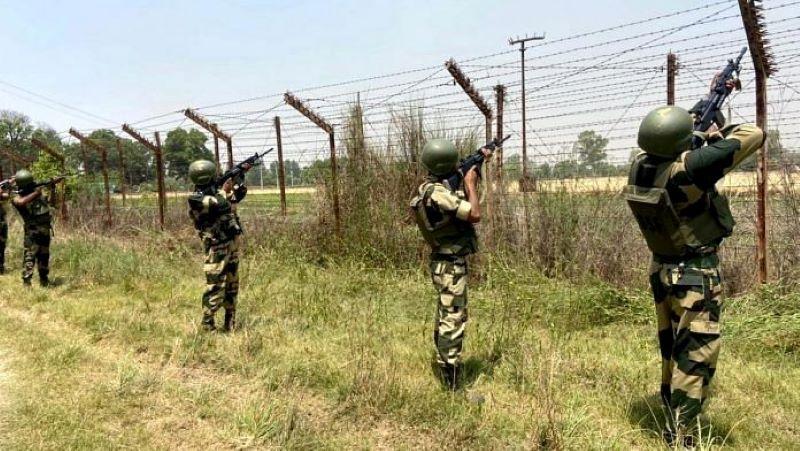
On the intervening night of April 29 and 30, the Pakistan Army initiated unprovoked small arms firing along several LoC sectors including Nowshera, Sunderbani, and Akhnoor. These came just a day after similar incidents were reported in the Pargawal sector along the International Border in Jammu and Kashmir. The Indian Army responded swiftly and appropriately to these violations, signaling a firm military stance in light of escalating cross-border aggression.
The trigger for the fresh wave of tensions appears to be the gruesome terror attack on April 22 in Pahalgam, a scenic tourist destination in the Baisaran meadow area. In what is considered one of the deadliest assaults in recent years, 26 individuals, including several tourists, lost their lives when gunmen opened fire indiscriminately. The scale and brazenness of the attack have not only shocked the Indian public but also prompted significant international concern. In response to the attack, India has taken a series of strong diplomatic and policy decisions. Among the most significant is the suspension of the 1960 Indus Water Treaty, a landmark water-sharing agreement between the two countries. India has also revoked all visas issued to Pakistani nationals as of April 27 and immediately shut down the Attari land-transit point, a major channel for cross-border movement between the two countries.
Prime Minister Narendra Modi, addressing the nation and international community, vowed to track down the perpetrators of the Pahalgam massacre. He emphasized that India would identify, pursue, and punish those behind the attack, declaring that justice would be served even if the pursuit extended to the ends of the earth. In contrast, Pakistan has strongly denied any involvement in the Pahalgam incident. Its Information Minister Attaullah Tarar dismissed India's accusations as "baseless and concocted," and criticized what he termed as India's unilateral approach of acting as "judge, jury and executioner." Pakistan offered to conduct a transparent and independent investigation under a neutral commission of international experts, reiterating its own history of suffering from terrorism.
The escalating tensions have drawn global attention, prompting the United Nations to intervene diplomatically. UN Secretary-General Antonio Guterres made separate phone calls to India's External Affairs Minister S Jaishankar and Pakistan's Prime Minister Shehbaz Sharif. During these calls, he unequivocally condemned the Pahalgam terror attack and expressed strong support for pursuing justice and accountability through lawful means. According to a statement issued by the United Nations, the Secretary-General expressed his deep concern over the rising tensions between the nuclear-armed neighbors. He warned that continued confrontation could result in tragic consequences for the region. As part of his intervention, he also offered the UN’s Good Offices to support de-escalation and facilitate diplomatic dialogue aimed at preventing further conflict.
This latest phase of hostility between India and Pakistan marks one of the most significant escalations since February 2021, when both sides had agreed to observe a strict ceasefire along the LoC. Since then, relative calm had prevailed until the current wave of violence broke out in late April. The loss of lives in the Pahalgam attack, followed by reciprocal border fire, has reignited fears of a broader conflict that could destabilize the region. Security analysts warn that while the Indian response has been measured, any further provocations might trigger stronger military reprisals, especially in the volatile Kashmir region. The suspension of the Indus Water Treaty and the closure of diplomatic and transit channels also reflect the hardening of India's position and the shrinking space for dialogue.
The broader implications of this crisis go beyond India and Pakistan. The region, already fraught with economic and security challenges, cannot afford a prolonged conflict between two of its major powers. As calls for restraint and diplomacy grow louder from the international community, it remains to be seen whether both countries will find a path to peace or slide deeper into confrontation. The coming days will be crucial in determining the future course of action. Whether through diplomatic efforts led by international organizations like the United Nations or through backchannel talks, a breakthrough will require political will and mutual trust, both of which seem in short supply at the moment. While the people of India mourn the loss of lives in Pahalgam and the armed forces remain vigilant along the borders, the need for de-escalation and justice remains paramount. Only time will tell whether the current crisis will serve as a turning point for peace or a prelude to further instability in South Asia.