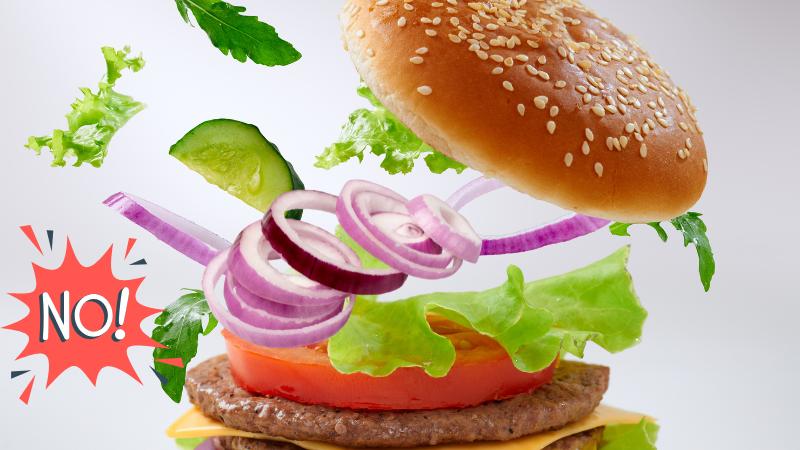
The incident occurred on July 24, 2024, when Wilson ordered a meal at a Whataburger location in Texas. Though the lawsuit does not identify the specific item he ordered, the chain's standard offerings typically include onions, especially in its namesake burger. Wilson contends that he clearly requested his food without onions due to a known allergy, but was still served a meal that included them. He asserts this oversight caused an allergic reaction that necessitated medical attention.
The lawsuit describes the food he received as "defective" and "unreasonably dangerous," arguing that the inclusion of onions constituted a manufacturing defect under product liability laws. It further states that the food item was unsafe at the time it left the plaintiff’s possession, directly attributing the allergic reaction to the presence of onions that should not have been there.
Wilson is seeking monetary relief exceeding $250,000 but not surpassing $1 million. This figure includes compensation for damages, penalties, court costs, medical expenses, prejudgment interest, and any other relief deemed appropriate by the court. The petition also reserves the plaintiff’s right to modify the amount as additional information comes to light through the legal discovery process.
This is not the first time Wilson has initiated legal proceedings against a fast-food chain. In a prior case filed in May 2024, he pursued similar claims involving a different restaurant, although that case was dismissed shortly after filing. While the outcome of the previous lawsuit is noted, the present claim focuses specifically on Whataburger's alleged failure to heed an allergy warning.
Whataburger operates hundreds of locations throughout Texas and has expanded into over a dozen other states. Its menu items are often customizable, and the brand emphasizes made-to-order meals. However, the plaintiff’s case brings into question how effectively such customizations are communicated and executed, particularly when customer health is at risk.
The restaurant’s official allergen guidance includes common allergens such as wheat, gluten, soy, and dairy. However, onions are not categorized among the allergens listed, which could become a point of contention in court. The absence of clear guidance around ingredients like onions, which can cause allergic reactions in some individuals, might influence future legal standards or internal policy adjustments across the food service industry.
The lawsuit emphasizes the potential risks involved in food preparation and customer service, particularly when special requests are made for health-related reasons. In fast-paced food service environments, small errors can result in serious consequences. This case raises questions about operational procedures, training, and accountability in handling food allergy-related requests.
As the case proceeds, discovery is expected to uncover key details such as order records, kitchen protocols, and possibly witness testimonies. These will help determine whether Whataburger breached its duty of care and whether its actions, or lack thereof, directly led to the plaintiff’s allergic reaction.
No official public statement has been made by the restaurant regarding the lawsuit. The outcome of the case may set a precedent for how restaurants are held accountable when it comes to fulfilling allergy-specific requests and ensuring food safety. It also highlights the growing importance of ingredient transparency and staff awareness in the fast food industry. Whether the court rules in favor of the plaintiff or not, the lawsuit underscores the delicate balance between efficient service and personalized, health-conscious food preparation.