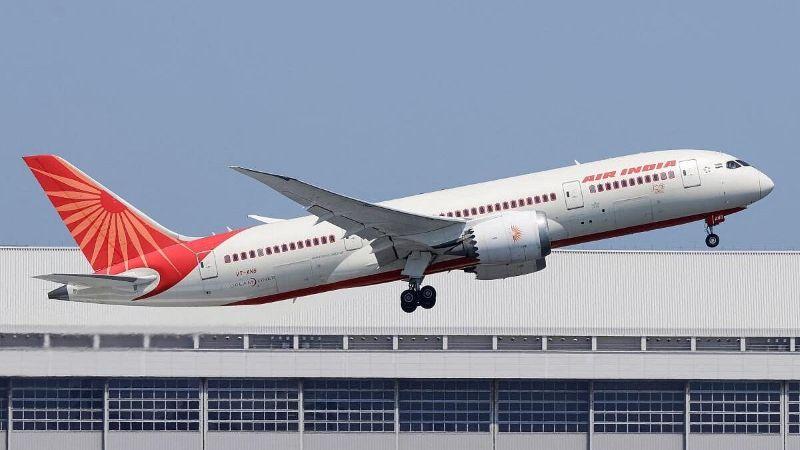
Air India has announced a 15% cut in its international widebody operations, calling the move “painful but necessary” in the aftermath of the tragic crash of flight AI171 that killed 241 people. The airline is undergoing a period of intense scrutiny and operational stress, citing both internal safety concerns and external geopolitical disruptions.
The decision follows a series of enhanced safety inspections ordered by India’s aviation regulator, DGCA. These inspections initially targeted Air India’s Boeing 787 fleet, of which 26 out of 33 aircraft have been cleared. The DGCA has now extended similar checks to the airline’s Boeing 777 fleet as a precautionary step.
Flight AI171 crashed earlier this month during an international leg, causing not only the tragic loss of lives onboard but also impacting civilians on the ground. In the wake of the incident, Air India and Tata Group, in collaboration with the Ministry of Civil Aviation and the Gujarat government, have been working closely with families of the deceased to ensure logistical and emotional support, including the return of mortal remains.
Aside from regulatory measures, the airline is grappling with several operational constraints. Night airspace curfews in Europe and East Asia, rising geopolitical tensions in the Middle East, and a more cautious approach by its engineering and flight crews have significantly disrupted normal functioning. These disruptions have led to the cancellation of 83 international flights over the last six days alone.
In light of these compounded challenges, Air India stated it would reduce widebody international flight services by 15% through June 20, with cuts expected to continue until mid-July. The move aims to reduce pressure on the available fleet, improve operational stability, and avoid last-minute cancellations.
Affected passengers will be notified in advance, and the airline is offering full refunds or no-cost rescheduling to minimize inconvenience. Air India emphasized its commitment to safety and transparency during this critical period. “With the continued support of our passengers, regulatory bodies, and the people of India, we aim to rebuild stronger,” the airline said, as it continues to navigate what has become one of the most challenging phases in its recent history.