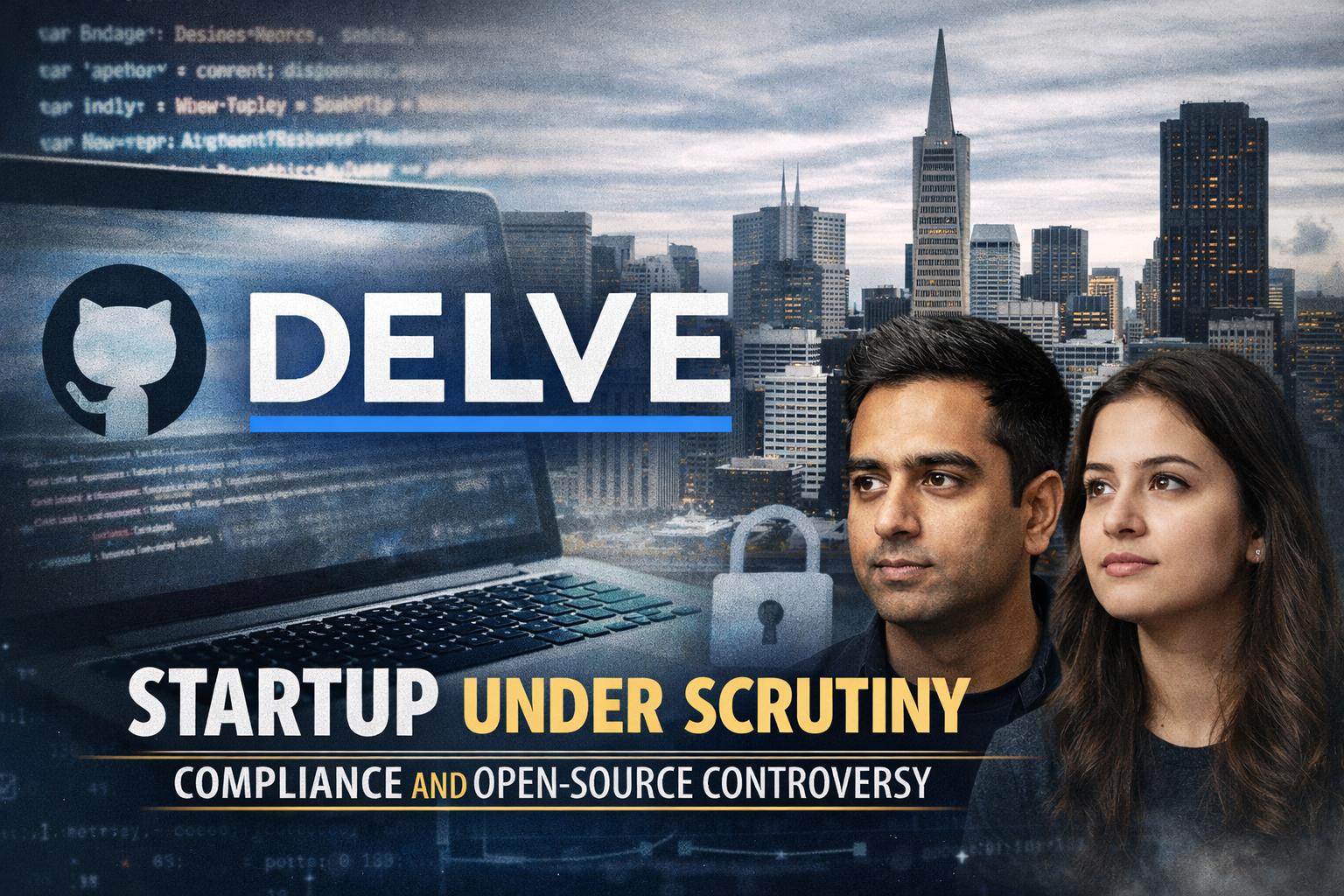
Delve, a San Francisco-based startup associated with the Y Combinator ecosystem, has come under scrutiny following allegations related to its open-source practices and compliance claims, drawing attention within the global technology sector. The controversy, which surfaced online on Saturday, April 4, 2026, has sparked debate about transparency and accountability in early-stage startups.
The company is led in part by founders of Indian origin, a detail that has been widely highlighted in discussions surrounding the issue. The concerns emerged from online posts and discussions that questioned whether Delve accurately represented aspects of its compliance processes and technical offerings. These claims have not been independently verified, and the company has publicly responded, disputing the allegations and describing them as misleading.
The situation underscores broader challenges within the startup ecosystem, particularly as companies increasingly rely on open-source technologies and third-party partnerships. Questions around how such technologies are integrated, documented, and communicated to customers have become central to the discussion. Industry observers note that early-stage companies often operate in fast-moving environments where governance frameworks may still be evolving.
Delve has stated that it remains committed to maintaining transparency and has emphasized its adherence to established standards. However, the controversy has prompted increased scrutiny from the developer community and potential stakeholders, highlighting the importance of clear communication and verifiable claims in maintaining trust.
As the discussion continues, the episode reflects a growing trend in which online platforms play a significant role in surfacing and amplifying concerns about startups. For companies operating in competitive and highly visible sectors such as artificial intelligence and compliance technology, reputational risks tied to such controversies can have far-reaching implications.


 Joyful
0%
Joyful
0%
 Cool
0%
Cool
0%
 Thrilled
0%
Thrilled
0%
 Upset
0%
Upset
0%
 Unhappy
0%
Unhappy
0%