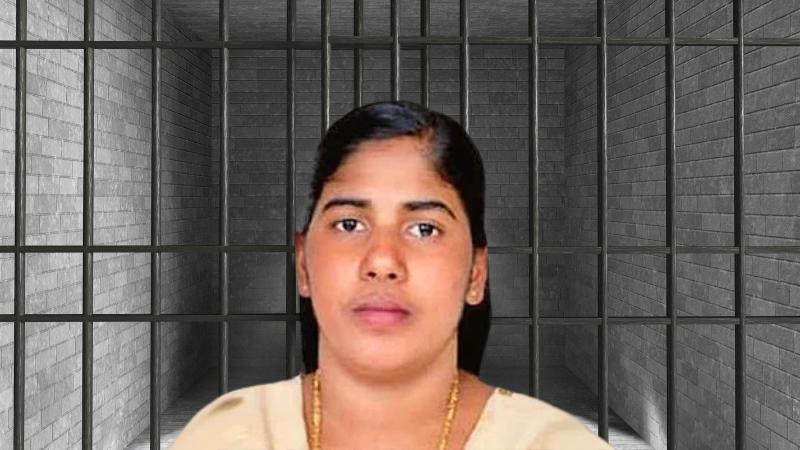
The death sentence of Indian nurse Nimisha Priya has been completely overturned by authorities in Yemen, according to an announcement made by the office of the Grand Mufti of India, Kanthapuram AP Abubakar Musliyar. This decision comes as a significant development in a case that has drawn widespread international attention over the past several years. Nimisha Priya was convicted in March 2018 for the murder of her local sponsor, and in 2020, a Yemeni court sentenced her to death, triggering an outpouring of appeals from human rights organizations and diplomatic efforts by India.
While the Grand Mufti’s office has confirmed the cancellation of the death penalty, it clarified that official written confirmation from the Yemeni government has not yet been received. The Union Ministry of External Affairs in India is also awaiting official communication regarding this decision. According to the statement, a high-level meeting held in the Yemeni capital Sanaa decided to completely cancel the death sentence that had been previously suspended. The office expressed hope that the written confirmation would follow soon, marking a definitive end to this long and complex legal battle.
Nimisha Priya’s case has been one of the most closely followed international legal battles involving an Indian citizen abroad. The nurse, who had been working in Yemen, was found guilty of murdering her Yemeni sponsor, a charge she has consistently admitted to under the claim of self-defense after alleged harassment. Her conviction and subsequent sentencing to death by a Yemeni court in 2020 brought her plight to the forefront, sparking campaigns for her release and clemency from various human rights groups, Indian community organizations, and prominent figures.
The situation grew more critical in late 2024 when Yemeni President Rashad al-Alimi approved her execution, a decision that was further reinforced in January 2025 by Houthi leader Mahdi al-Mashat. This development heightened fears that Nimisha Priya’s execution was imminent, prompting intensified efforts from Indian diplomatic channels, advocacy groups, and religious leaders, including the Grand Mufti of India, to secure a reversal of the decision. Numerous appeals and negotiations were reportedly undertaken behind the scenes to save her life.
The Grand Mufti’s announcement that Yemen’s authorities have now canceled the death sentence is being seen as a major victory for these relentless efforts. However, without official documentation from the Yemeni government, the case remains technically unresolved. Indian authorities have stated they are closely monitoring the situation and continue to engage with Yemen to ensure the decision is formalized and implemented. For Nimisha Priya’s family, this development offers a glimmer of hope after years of fear, uncertainty, and emotional strain.
The case has also raised broader discussions about the treatment of foreign workers, the application of capital punishment in international contexts, and the role of diplomatic negotiations in such cases. Nimisha’s situation highlighted the vulnerabilities faced by migrant workers in conflict-affected regions like Yemen and the importance of consular support in legal matters involving citizens abroad. The involvement of multiple high-ranking Yemeni officials and the eventual reversal of the death penalty underscore the influence of international pressure and humanitarian appeals in shaping outcomes.
While awaiting the final confirmation from Yemen, supporters of Nimisha Priya have expressed cautious optimism. Advocacy groups that have campaigned for her release view this as a landmark moment that validates years of persistent efforts to save her life. The announcement also reflects positively on the diplomatic relations between India and Yemen, demonstrating that dialogue and negotiation can produce meaningful results even in the most challenging of circumstances.
As the world waits for the Yemeni government’s official written statement, the cancellation of Nimisha Priya’s death sentence stands as a powerful example of how international advocacy, religious leadership, and diplomatic engagement can come together to protect human life. The case continues to attract attention not only for its legal implications but also for the human story at its core—a story of survival, resilience, and the quest for justice.