A balanced, nutrient-rich diet is the foundation of a healthy body and a sound mind. Among the essential nutrients the human body needs, magnesium often doesn’t get the attention it deserves. Yet, this powerhouse mineral plays a vital role in over 300 biochemical reactions that are crucial to everyday health. From muscle and nerve function to bone strength and sleep quality, magnesium is involved in numerous physiological processes that keep the body running smoothly. Despite its importance, magnesium remains one of the most underrated and overlooked minerals in the average diet. Now, renowned nutritionist Nmami Agarwal is bringing much-needed attention to this essential mineral. In a recently shared Instagram video, she explains why magnesium should be a regular part of your wellness routine.
“Magnesium is one of the most underrated minerals your body craves,” writes Nmami in the caption accompanying her video. “It supports over 300 biochemical reactions—yet most people are unknowingly deficient.” Her video aims to break down both the common and lesser-known health benefits of magnesium while offering guidance on incorporating it effectively and safely into one’s diet. According to Nmami, magnesium offers several well-documented benefits. Regular intake can reduce muscle cramps and premenstrual syndrome (PMS) symptoms. It’s also been shown to improve sleep quality, relieve stress, support stronger bones, and promote better cardiovascular health.
But the perks of magnesium don’t stop there. The nutritionist also highlights several "uncommon but powerful" effects of adequate magnesium consumption. These include its ability to balance blood sugar levels and improve insulin sensitivity—critical factors in preventing and managing diabetes. She also notes that magnesium can ease migraine headaches, sharpen cognitive clarity, enhance hormone production, and support healthy thyroid function.
Nmami explains that our modern lifestyle is partly to blame. “Today’s fast-paced lifestyle, processed food, and caffeine intake deplete magnesium levels fast. And your body does not produce it on its own,” she says. This combination of low intake and high depletion creates a gap that can manifest in symptoms like fatigue, mood swings, bloating, muscle cramps, and sleep disturbances. Magnesium deficiency, if left unaddressed, can lead to more serious health concerns. Long-term insufficiency has been linked to increased risk of high blood pressure, cardiovascular diseases, osteoporosis, and insulin resistance. These risks highlight the importance of proactively addressing magnesium levels through diet or supplementation.
Nmami offers practical advice for those considering magnesium supplements: “Start with a low dose and always check with your healthcare provider.” She cautions against self-prescribing supplements without professional consultation, reminding followers that while magnesium is essential, excessive intake can cause adverse effects or interact with medications. She also makes an important distinction between fads and fundamentals. “Magnesium is not a trend. It is your step towards wellness,” she says, encouraging her audience to view supplementation as a tool for better health rather than a short-term fix.
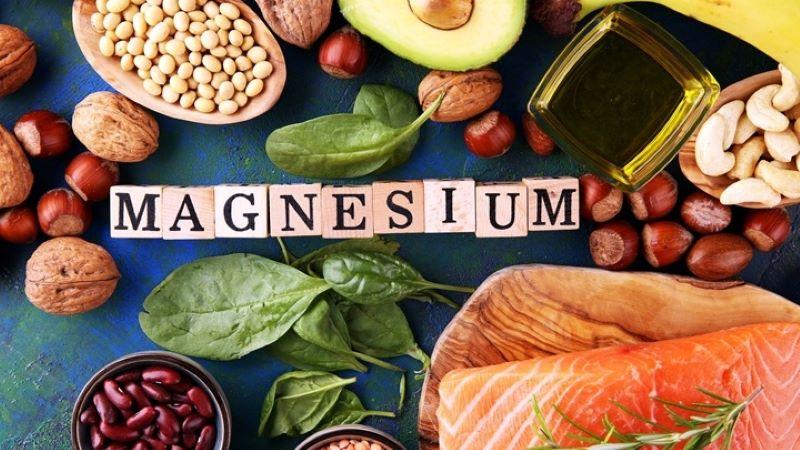
If you’re wondering how to include magnesium in your daily routine naturally, several foods are rich in this mineral. Leafy greens like spinach and kale, nuts and seeds, legumes, whole grains, and even dark chocolate are excellent dietary sources. For those with dietary restrictions or increased needs, high-quality magnesium supplements—taken under medical guidance—can fill the gap. In conclusion, Nmami Agarwal’s insights serve as a timely reminder of how critical magnesium is for optimal health. Whether you're struggling with stress, sleep problems, or low energy, this underrated mineral may be the missing link in your wellness journey. Before you reach for another cup of coffee or energy drink to push through the day, consider checking in on your magnesium levels instead. With the right balance of nutrition, awareness, and professional guidance, magnesium could be a small change that makes a big difference in your life.