India is set to boost its defence spending by Rs 50,000 crore following the success of Operation Sindoor, according to sources within the government. This proposed increase, likely to be introduced in the supplementary budget, would push India's overall defence allocation beyond Rs 7 lakh crore a historic high for the country. The move comes in response to rising tensions with Pakistan, particularly after the deadly Pahalgam terror attack last month which claimed 26 lives, including civilians.
The defence budget for the financial year 2025–26 already stood at Rs 6.81 lakh crore, marking a 9.2 percent rise over the previous year's Rs 6.22 lakh crore. The proposed additional funding will focus on accelerating research and development, as well as the acquisition of advanced weapon systems, ammunition, and critical equipment required for operational preparedness.
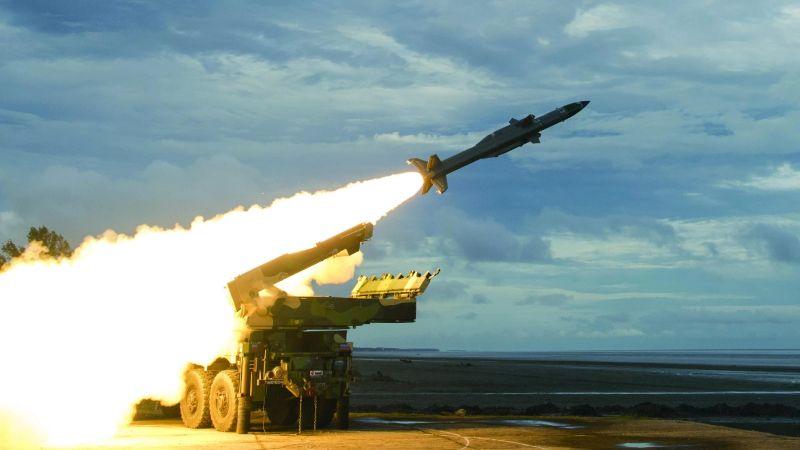
Operation Sindoor was India’s swift and precise military retaliation to the terror attacks in Pahalgam, involving airstrikes on nine terrorist camps in Pakistan and Pakistan-occupied Kashmir. In its aftermath, India demonstrated a remarkable display of military coordination and technological capability, drawing comparisons with Israel’s renowned Iron Dome defence system. India’s own indigenously developed Akash missile system played a pivotal role, intercepting high-speed drones and missiles fired in retaliation by Pakistan. Alongside the Akash, the Russian-built S-400 air defence systems fortified India's response to the aerial threats.
India also tested a new counter-drone technology during this period. The Bhargavastra system, which deploys low-cost micro-rockets in ‘hard kill’ mode, was successfully trialed at the Seaward Firing Range in Gopalpur, Odisha. The system is expected to enhance India's defensive ability against swarming drone attacks, further modernizing its battlefield capabilities.
Dr Prahlada Ramarao, the developer of the Akash missile system and a former DRDO scientist, expressed pride over its performance. He stated that Akash has the capability to intercept even agile aircraft such as the US-made F-16s, which are part of Pakistan’s air fleet. Dr Ramarao described the Akash system's vision with the phrase “sara akash hamara,” meaning “the whole sky is ours.”
The broader message from Defence Minister Rajnath Singh and Prime Minister Narendra Modi has been clear: India will prioritize domestic defence production and reduce dependency on foreign arms suppliers. Mr Singh emphasized the long-term importance of indigenization, warning that outsourcing defence compromises national security.
Operation Sindoor also signals a strategic shift in India’s posture. The Indian government suspended the Indus Waters Treaty and launched targeted airstrikes that not only dismantled terror camps but also destroyed radar installations and crippled Pakistan’s Air Force operations. Pakistan, caught off-guard, sought a ceasefire soon after suffering damage across key military facilities.
In a firm address to the nation, Prime Minister Modi declared that India’s policy on terrorism had evolved. He warned terror sponsors and made it clear that India would not hesitate to strike again to protect its territory and citizens. Modi reiterated that India would not engage in talks with Pakistan regarding Kashmir unless it involved dismantling terrorist infrastructure and recovering territory illegally occupied.
This budgetary boost and operational success underline India’s determination to modernize its armed forces and adopt a proactive stance in regional security. Operation Sindoor has become a defining moment in India’s military strategy, combining tactical precision with advanced indigenous technologies that signal a bold new chapter in national defence.