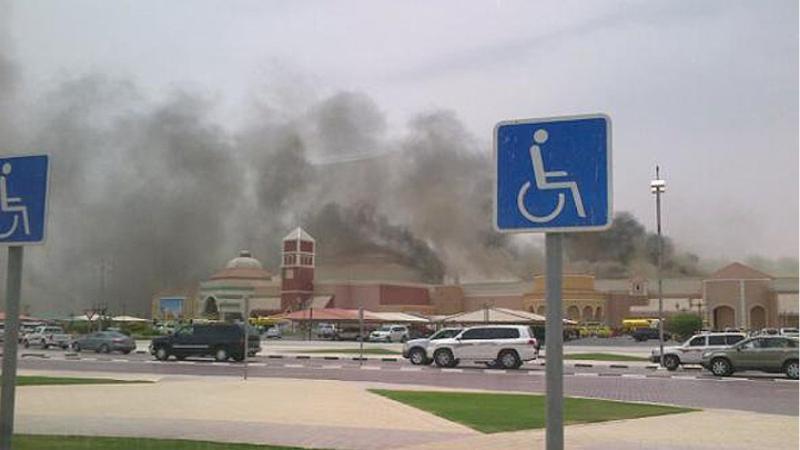
A missile strike launched by Iran on a US military base in Qatar has triggered widespread panic in Doha, the capital city, sending shockwaves across the region. A video showing chaos inside a popular shopping mall as explosions echoed nearby has gone viral, highlighting the intense fear and confusion experienced by civilians during the attack.
The incident occurred on Monday when Iran fired ballistic missiles targeting Al Udeid Air Base, which houses American military personnel. The attack was described by Iranian authorities as retaliation for recent strikes on its nuclear infrastructure. The move marked a sharp escalation in regional tensions and raised concerns about the potential for broader conflict in the Gulf.
The viral video, reportedly filmed at Villaggio Mall in Doha, captured scenes of terrified shoppers scrambling for exits. In the footage, families, children, and individuals could be seen dashing through corridors, some yelling in panic, others trying to find loved ones amid the chaos. Though the authenticity of the clip has not been independently verified, it quickly gained traction online, prompting an outpouring of concern over civilian safety in Qatar.
Fortunately, no casualties were reported. According to officials, Qatar’s defense systems successfully intercepted the incoming missiles before they reached critical infrastructure or populated areas. Nonetheless, all commercial flights were temporarily suspended, and airports were placed on high alert as a precaution. Services resumed later in the day after authorities confirmed that there was no immediate threat.
Iranian state sources confirmed responsibility for the attack, framing it as a direct response to what they described as hostile actions targeting their nuclear facilities. The launch of missiles from Iranian territory toward American assets in Qatar marks a significant departure from indirect or proxy engagements that have previously characterized the conflict. This open act of retaliation has not only drawn international attention but also intensified diplomatic urgency across the Gulf region.
Shortly after the missile strike, it was announced that Iran and Israel had agreed to a phased ceasefire to begin within 24 hours. However, Iranian officials quickly denied any such agreement had been finalized. Later remarks from Iran’s foreign affairs leadership praised the nation's armed forces for their resistance and hinted that a pause in escalation could be possible—if opposing military operations also ceased.
Despite these statements, tension remained high. In the early hours of Tuesday, additional missile activity was detected by Israeli defense systems, prompting emergency alerts and public shelter advisories across several urban centers. These new missile launches, occurring within hours of the strike in Qatar, further heightened fears of a broader regional conflict.
In Doha, the atmosphere remained tense. Residents, still shaken from the initial panic, voiced concerns over public safety and emergency preparedness. Many questioned whether civilian areas were adequately protected, while others expressed gratitude that no lives were lost. The footage from Villaggio Mall continues to be widely circulated as a stark visual reminder of the potential civilian toll during times of military escalation.
The attack on Al Udeid has placed Qatar in a delicate position. While the country maintains strategic partnerships and hosts foreign military forces, it also seeks to preserve its reputation as a diplomatic actor in the region. Monday's events have reignited discussions about the risks and responsibilities of hosting military operations on national soil, especially during periods of heightened geopolitical strain.
For now, the region stands on edge. While there are tentative signs of diplomatic maneuvering behind the scenes, the situation remains volatile. The coming days will be critical in determining whether recent events serve as a trigger for wider conflict or a catalyst for renewed dialogue and de-escalation.
As images of panic-stricken civilians continue to circulate online, the human cost of regional conflict is once again in sharp focus. The fear, confusion, and disruption felt across Doha underscore the importance of urgent, sustained efforts to prevent further escalation and to protect civilian lives amid rising military tensions.
The incident occurred on Monday when Iran fired ballistic missiles targeting Al Udeid Air Base, which houses American military personnel. The attack was described by Iranian authorities as retaliation for recent strikes on its nuclear infrastructure. The move marked a sharp escalation in regional tensions and raised concerns about the potential for broader conflict in the Gulf.
The viral video, reportedly filmed at Villaggio Mall in Doha, captured scenes of terrified shoppers scrambling for exits. In the footage, families, children, and individuals could be seen dashing through corridors, some yelling in panic, others trying to find loved ones amid the chaos. Though the authenticity of the clip has not been independently verified, it quickly gained traction online, prompting an outpouring of concern over civilian safety in Qatar.
Fortunately, no casualties were reported. According to officials, Qatar’s defense systems successfully intercepted the incoming missiles before they reached critical infrastructure or populated areas. Nonetheless, all commercial flights were temporarily suspended, and airports were placed on high alert as a precaution. Services resumed later in the day after authorities confirmed that there was no immediate threat.
Iranian state sources confirmed responsibility for the attack, framing it as a direct response to what they described as hostile actions targeting their nuclear facilities. The launch of missiles from Iranian territory toward American assets in Qatar marks a significant departure from indirect or proxy engagements that have previously characterized the conflict. This open act of retaliation has not only drawn international attention but also intensified diplomatic urgency across the Gulf region.
Shortly after the missile strike, it was announced that Iran and Israel had agreed to a phased ceasefire to begin within 24 hours. However, Iranian officials quickly denied any such agreement had been finalized. Later remarks from Iran’s foreign affairs leadership praised the nation's armed forces for their resistance and hinted that a pause in escalation could be possible—if opposing military operations also ceased.
Despite these statements, tension remained high. In the early hours of Tuesday, additional missile activity was detected by Israeli defense systems, prompting emergency alerts and public shelter advisories across several urban centers. These new missile launches, occurring within hours of the strike in Qatar, further heightened fears of a broader regional conflict.
In Doha, the atmosphere remained tense. Residents, still shaken from the initial panic, voiced concerns over public safety and emergency preparedness. Many questioned whether civilian areas were adequately protected, while others expressed gratitude that no lives were lost. The footage from Villaggio Mall continues to be widely circulated as a stark visual reminder of the potential civilian toll during times of military escalation.
The attack on Al Udeid has placed Qatar in a delicate position. While the country maintains strategic partnerships and hosts foreign military forces, it also seeks to preserve its reputation as a diplomatic actor in the region. Monday's events have reignited discussions about the risks and responsibilities of hosting military operations on national soil, especially during periods of heightened geopolitical strain.
For now, the region stands on edge. While there are tentative signs of diplomatic maneuvering behind the scenes, the situation remains volatile. The coming days will be critical in determining whether recent events serve as a trigger for wider conflict or a catalyst for renewed dialogue and de-escalation.
As images of panic-stricken civilians continue to circulate online, the human cost of regional conflict is once again in sharp focus. The fear, confusion, and disruption felt across Doha underscore the importance of urgent, sustained efforts to prevent further escalation and to protect civilian lives amid rising military tensions.