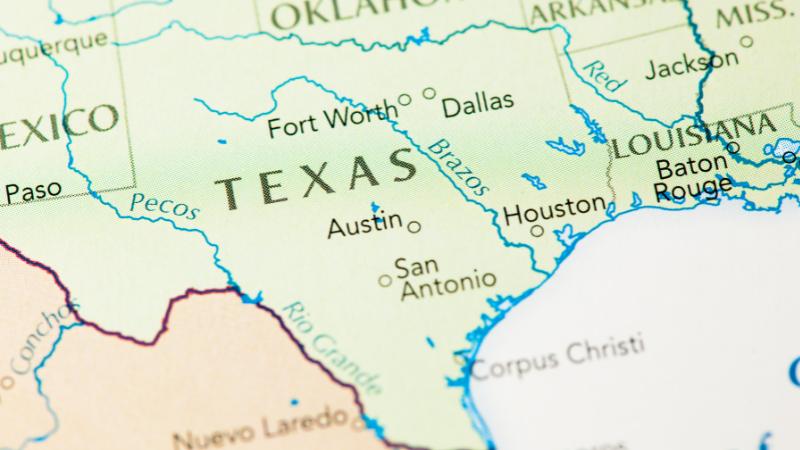
The Republican-controlled Texas Senate has approved new congressional maps designed to strengthen the party’s hold on power in Washington, completing a contentious redistricting process that has triggered heated partisan battles both within the state and across the country. The decision, reached in an overnight session, clears the way for Governor Greg Abbott to sign the measure into law, a move that will reshape Texas’ political landscape for years to come and potentially shift the balance of power in Congress.
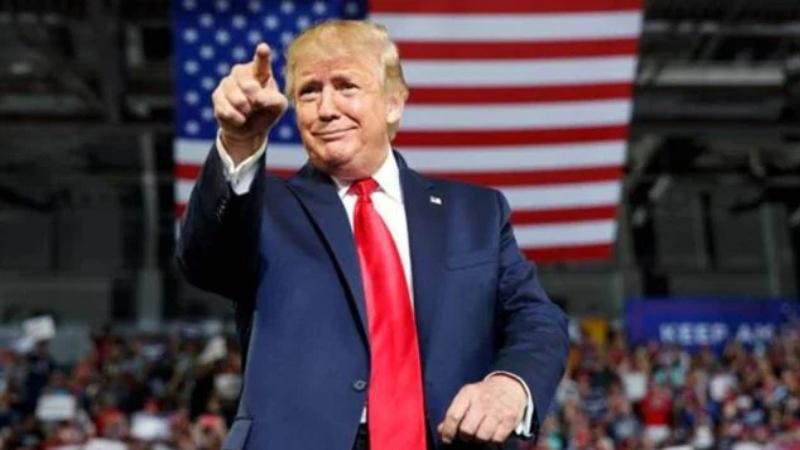
The new maps, supported strongly by former President Donald Trump, carve out additional Republican-leaning districts by redrawing boundaries in major metropolitan areas and along key stretches of the state’s border. Trump has argued that his party is entitled to at least five additional seats in Texas, and the maps appear designed to deliver on that ambition. Under the new configuration, Texas is expected to have 30 congressional districts that Trump carried in the last election by double-digit margins.
Currently, Republicans hold 25 of Texas’ 38 congressional seats, giving them a strong advantage in the U.S. House. With control of Congress nearly evenly split and Democrats needing only a net gain of three seats in the 2026 midterm elections to retake the majority, the Texas redistricting effort takes on national importance. By locking in more secure Republican seats, the maps could give the GOP a crucial edge as they look to maintain or expand their influence in Washington.
Democrats, however, have denounced the move, accusing Republicans of rushing through a purely political redistricting effort that sets a dangerous precedent. Traditionally, states wait until after the census and the following decade’s reapportionment to redraw congressional lines, meaning Texas would not normally revisit its maps until 2031. By acting early, Democrats argue, Republicans are undermining the fairness of the process and disenfranchising minority voters whose representation could be weakened by the changes.
Civil rights advocates and Democratic lawmakers have vowed to challenge the maps in court, pointing to concerns over how minority communities in Texas, particularly Hispanic and Black voters, may be diluted across districts in a way that reduces their political power. Republicans, for their part, have rejected those accusations, framing the redistricting as a straightforward political decision aimed at securing their majority in the state and bolstering their presence in Congress.
The process has been turbulent, with Democrats earlier employing procedural tactics to delay legislative action in the Texas House by fleeing the state and denying quorum, forcing Abbott to call an additional special session. While those maneuvers slowed down progress temporarily, they did not prevent Republicans from ultimately moving forward with their redistricting agenda. The state Senate, unlike the House, was able to proceed without being obstructed by Democratic walkouts, allowing Republicans to push the measure through with relative speed.
With the maps now awaiting Governor Abbott’s signature, attention has turned to California, where Democratic leaders are preparing their own response. California lawmakers have floated a proposal to redraw their congressional boundaries in a way that could counteract Texas’ changes. However, unlike in Texas, the California plan would require voter approval in a special election before it could take effect, adding another layer of political drama to the national redistricting battle.
The developments in Texas underscore the high stakes of redistricting in American politics. With the House of Representatives narrowly divided, the drawing of congressional maps has become one of the most powerful tools for either party to cement long-term advantages. While redistricting battles are nothing new, the intensity of the fight in Texas reflects the broader partisan struggle playing out nationwide, with both sides seeking to leverage state-level power to shape the composition of Congress.
As legal challenges loom and political tensions mount, the Texas redistricting plan is set to influence not only the state’s political future but also the broader balance of power in Washington. For Republicans, the maps represent a decisive step toward consolidating their dominance in Texas and expanding their reach in Congress. For Democrats, the fight is far from over, as they prepare to battle in the courts and rally public opinion against what they see as a dangerous abuse of power. The outcome of this clash will likely reverberate across the country and play a pivotal role in shaping the road to the 2026 midterm elections.