The United States has reported its first human case of New World screwworm in nearly sixty years, sparking concerns over both public health and the agricultural industry. Officials confirmed that the case was identified in Maryland, where a patient was diagnosed after returning from Central America. While reports differed over whether the individual had traveled to El Salvador or Guatemala, the confirmation itself marks a serious event given that this parasite had been officially eradicated from the country decades ago.
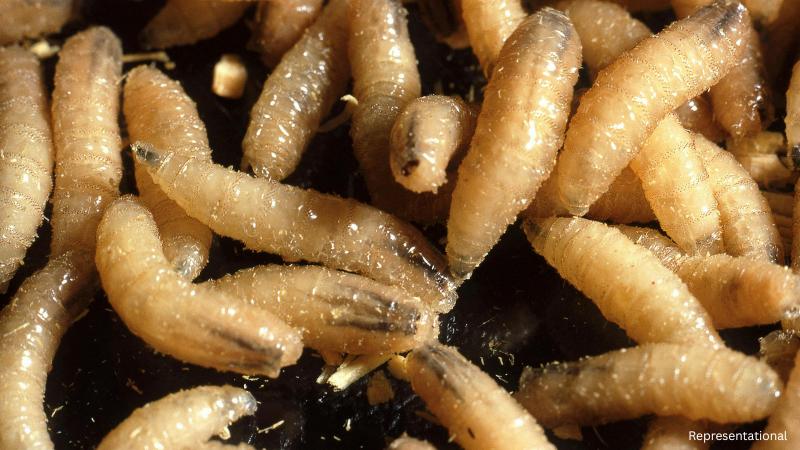
The New World screwworm is a parasitic fly whose larvae infest wounds and feed on the living tissue of warm-blooded animals. The condition, known as myiasis, is particularly devastating in cattle, where infestations can cause severe economic damage. In Texas alone, experts estimate that a single outbreak could lead to agricultural losses exceeding $1.8 billion, making its presence a significant threat not only to animal health but also to the wider farming economy.
Human infection is rare but not impossible, as the Maryland case has demonstrated. Screwworm flies deposit eggs on open wounds or sores, and once the larvae hatch, they burrow deep into the flesh, causing immense pain, infection, and eventual tissue destruction. If left untreated, the infestation can be fatal. Treatment involves carefully removing the larvae and disinfecting the wound, but the process is only effective if caught early. Unlike certain infectious diseases, the condition is not directly contagious from person to person. However, female screwworm flies can spread eggs and larvae in similar ways across humans, cattle, and wildlife, especially in tropical and subtropical regions.
The presence of screwworms in the United States raises alarm due to their history and resilience. They were first eradicated in the country in the 1960s through a groundbreaking program that involved releasing sterilized male screwworm flies. These sterilized males mated with females, resulting in infertile eggs and gradually collapsing the wild population. That success was hailed as a major milestone in agricultural pest control. However, the parasite remains endemic in several countries across Central and South America, as well as in Caribbean nations such as Cuba, Haiti, and the Dominican Republic. Since 2023, they have been steadily detected moving northward through Mexico, putting the United States at renewed risk.
The reemergence of a human case after decades has sparked renewed discussion among public health and agricultural agencies. Authorities are now working to trace the origin of the infection and evaluate whether further preventive steps are required to keep the parasite from reestablishing itself in the country. Researchers note that vigilance at the border, surveillance of livestock, and public awareness are all critical to preventing a resurgence. The Maryland case illustrates not only the personal danger posed by the parasite but also the broader threat it carries for food security and rural economies.
For now, the case is believed to be isolated, and no evidence has been found of screwworm spreading locally in the United States. Health officials emphasize that human cases remain extremely rare, but the discovery nonetheless highlights the importance of maintaining ongoing monitoring and preventive measures. Farmers and veterinarians across the cattle industry remain on alert, aware that an outbreak could have devastating consequences.
As investigations continue, experts urge travelers returning from endemic regions to be mindful of any unusual wounds and to seek immediate medical attention if symptoms appear. Preventing the reintroduction of screwworms into the United States remains a priority, as the lessons from past eradication campaigns remind us that once the parasite gains a foothold, the consequences can be long-lasting and economically crippling.