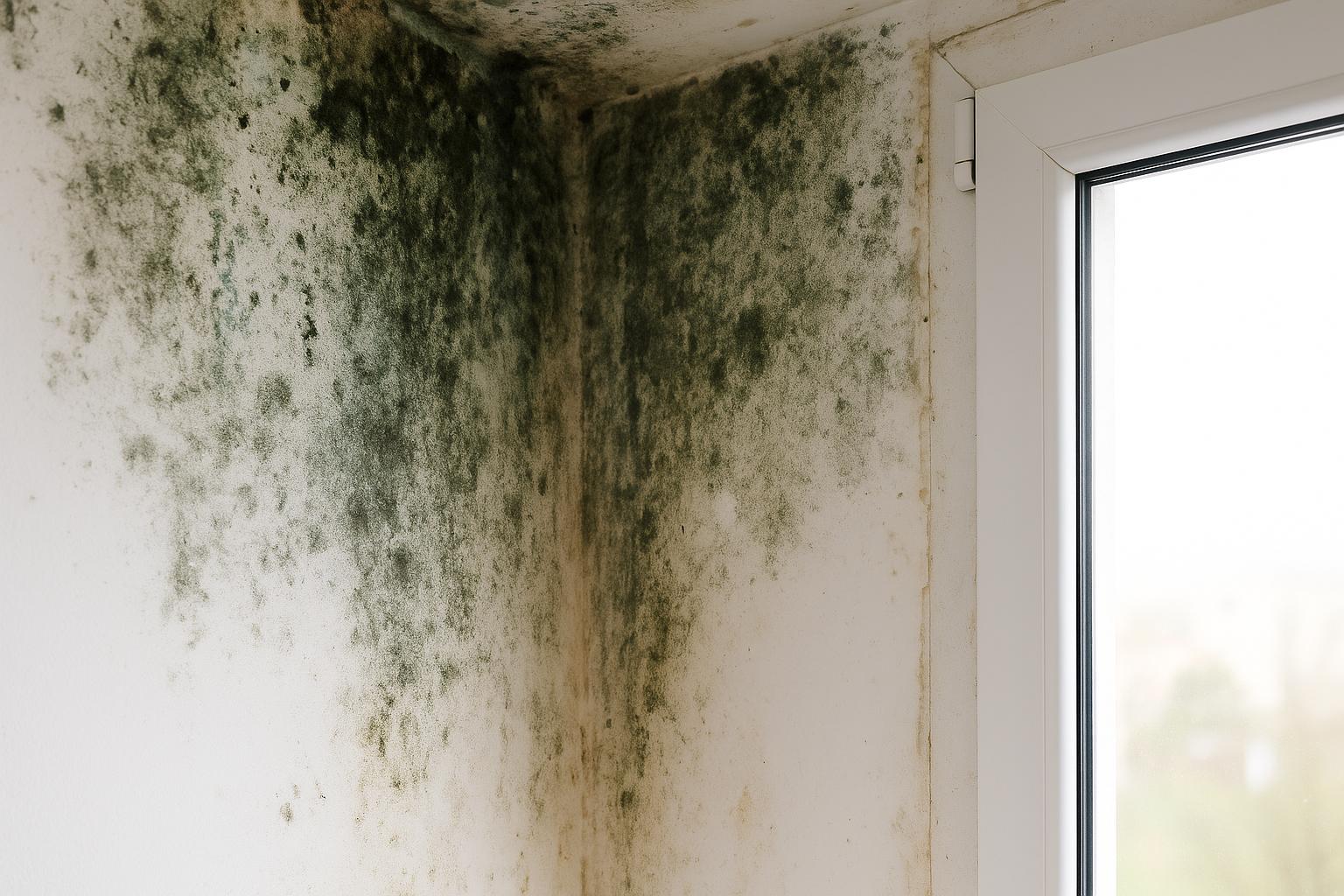
WASHINGTON — Mold, a silent but potentially dangerous intruder, may be growing unnoticed inside homes across the country. While it’s often dismissed as a cosmetic nuisance, experts warn that mold can be far more than an eyesore—it can pose serious risks to physical health and well-being. Mold thrives in damp, humid environments, spreading through microscopic airborne spores that easily circulate indoors. When inhaled, these spores can trigger a wide range of health problems, from mild respiratory irritation to severe allergic reactions. For those with asthma, weakened immune systems, or chronic respiratory conditions, exposure can be particularly harmful.
Dr. Gary Kaplan, founder of the Kaplan Center for Integrative Medicine, emphasized that mold exposure is not limited to triggering sneezing or coughing. Its impact can extend to multiple systems of the body, often leading to chronic, hard-to-diagnose symptoms. “Respiratory symptoms, especially asthma, are probably the biggest ones,” Dr. Kaplan explained. “Chronic sinusitis, nasal congestion, and even skin irritation can be signs of mold exposure in your environment. But beyond that, people may experience fatigue, headaches, and other signs of immune weakness.”
These symptoms often mimic other illnesses, making mold-related conditions difficult to identify. Individuals suffering from prolonged fatigue, brain fog, or unexplained skin rashes sometimes undergo months of medical testing before discovering that the root cause lies in their home environment. Experts stress that awareness and early detection are key to preventing long-term complications.
Mold-related illnesses are becoming increasingly recognized in both residential and occupational health fields. In severe cases, toxic molds such as Stachybotrys chartarum, commonly referred to as “black mold,” produce mycotoxins that can cause neurological issues and immune dysfunction over extended exposure periods. While such cases are rare, the potential risks highlight the need for prompt cleanup and professional inspection when mold is suspected.
The U.S. Environmental Protection Agency estimates that indoor air pollution, often caused by mold and other contaminants, can be up to five times higher than outdoor levels. Poor ventilation, plumbing leaks, roof damage, and even improper humidity control can all create ideal conditions for mold growth. Basements, bathrooms, attics, and kitchens are among the most common problem areas.
Health professionals recommend that homeowners watch for visible signs of mold, such as dark patches on walls or ceilings, musty odors, or persistent moisture problems. But even when mold is not visible, it can still be present behind drywall, under carpets, or inside air conditioning ducts. Regular home inspections and humidity monitoring can help reduce the risk.
When mold is discovered, experts advise against tackling large infestations without proper protection. Cleaning small patches with detergent and water can help, but larger growths require professional remediation to ensure spores do not spread further. Certified mold removal specialists use containment measures, HEPA filtration, and chemical-free treatments to safely eliminate contamination.
Dr. Kaplan also warns that removing mold alone may not be enough to reverse health effects. “If you’ve been exposed for a long time, your body’s immune and detoxification systems may need support,” he said. “Treatments may involve addressing inflammation, improving gut health, and supporting the body’s ability to recover.”
Preventive steps are the most effective defense against mold. Homeowners are encouraged to fix leaks immediately, maintain indoor humidity levels below 50 percent, and ensure proper ventilation in bathrooms and kitchens. Air purifiers equipped with HEPA filters can also help reduce airborne mold spores, while dehumidifiers can keep indoor air dry and less hospitable to growth.
As climate change and extreme weather events increase humidity and rainfall in many regions, experts warn that mold problems could become more widespread in the coming years. Flooding, hurricanes, and poorly maintained HVAC systems all contribute to rising mold incidents nationwide.
While mold may seem like a minor household inconvenience, the health implications can be significant. For individuals experiencing chronic sinus congestion, respiratory irritation, or unexplained fatigue, investigating the home environment could reveal a hidden culprit. Ultimately, experts say awareness is the first step toward prevention. Understanding how mold grows, recognizing its warning signs, and taking swift action to address it can help protect both your home and your health. As Dr. Kaplan notes, “Mold is a part of nature—but it shouldn’t be a part of your living space.”