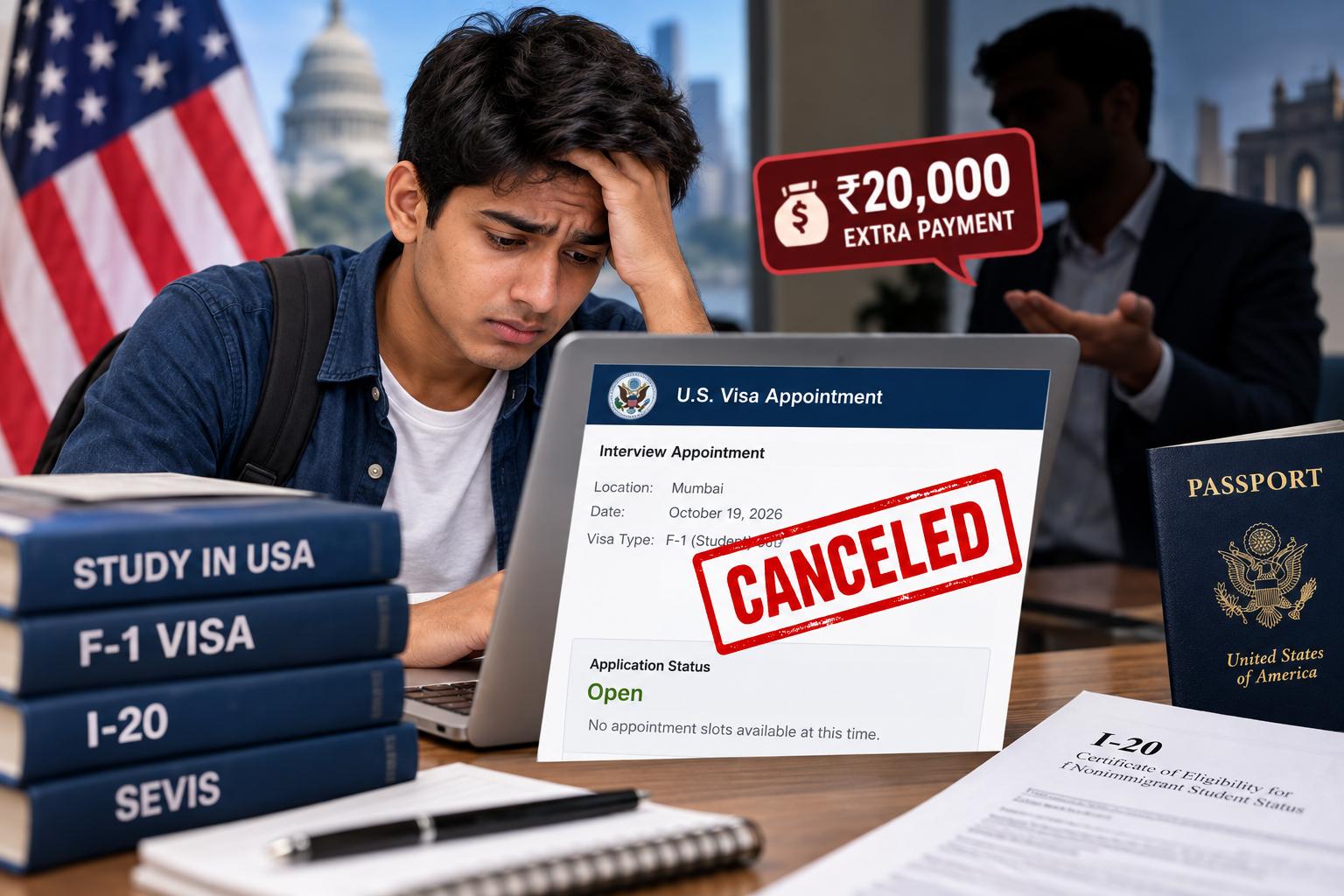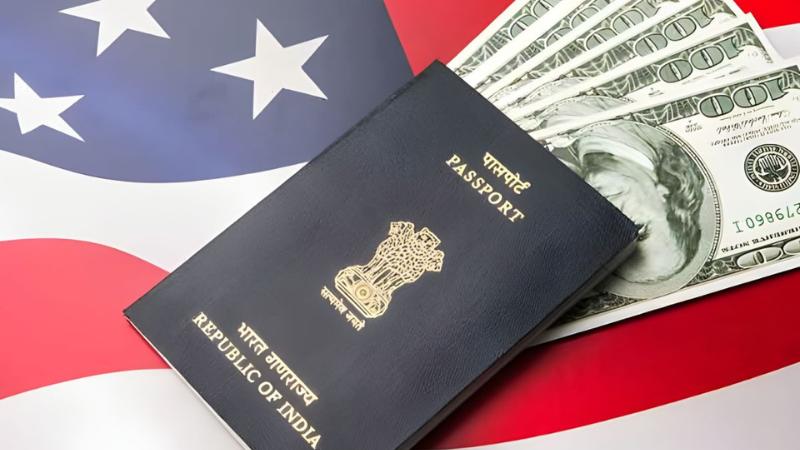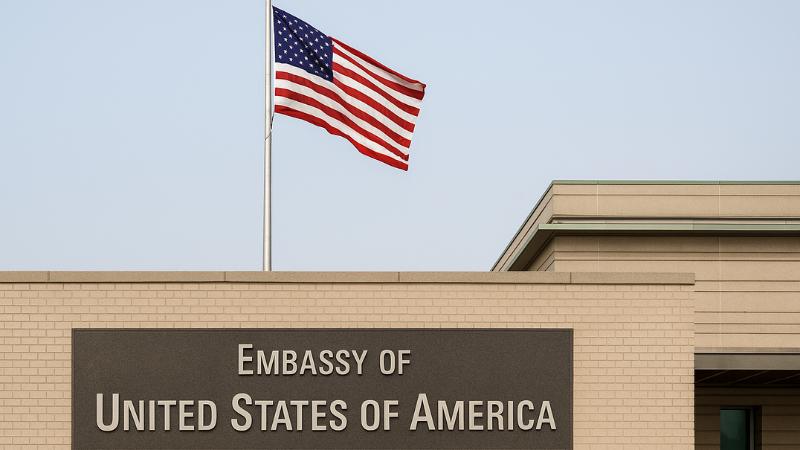
The US Embassy in India has postponed temporary work visa interviews scheduled for mid-December, triggering widespread concern among Indian professionals awaiting H-1B visa processing. The affected interviews have now been rescheduled to March and April 2026, according to communications sent to applicants and legal experts familiar with the matter. The unexpected decision has disrupted travel and employment plans for thousands of workers who rely on timely visa stamping to continue their roles in the United States.
The postponement comes shortly after the US State Department announced enhanced social media screening for H-1B applicants and their dependents. Immigration attorneys say the added scrutiny has placed pressure on consular resources, leading to the delay of interviews across multiple locations in India. Emails reviewed by legal professionals indicate that the embassy cited operational constraints linked to the new review process as the primary reason for the rescheduling.
The development has prompted experts to advise H-1B visa holders currently in the United States to avoid traveling to India unless absolutely necessary. Legal specialists warn that traveling without a stamped visa now carries significant risk, as applicants may be unable to return to the US for several months. For many employers, extended remote work from outside the United States is not legally permissible, placing affected workers in a precarious position.
Applicants who have already traveled to India for their visa appointments are facing an especially difficult situation. Those who completed the Visa Application Center process, including biometrics and document submission, have limited flexibility within the appointment system. Immigration attorneys note that once this stage is completed, applicants are often unable to cancel or significantly alter their appointments, leaving them with no option but to wait for the newly assigned interview date.
In a public message, the US Embassy in India stated that applicants whose appointments were rescheduled should log in to the visa application portal to view and print their updated appointment letters. The embassy added that individuals who are unable to attend the new date may reschedule their interview online one time only, subject to availability. Officials have also cautioned that expired fee receipts may be forfeited in certain cases.
Legal experts emphasize that applicants currently in India and awaiting visa stamping cannot return to the United States until their interview and approval process is completed. Immigration attorneys have described the situation as one of uncertainty, particularly for those with employers expecting their return within a defined timeframe. Many workers are now required to negotiate extended leave or alternative arrangements with their companies while they remain abroad.
Alongside travel and employment concerns, immigration professionals are advising applicants to prepare for the expanded social media screening requirements. Experts recommend reviewing all social media accounts to ensure that information is accurate, consistent, and free of duplicate or inactive profiles. Applicants are encouraged to set relevant accounts to public visibility so that officials can review them without difficulty.
At the same time, advisors caution against making major changes to social media profiles once an interview date is scheduled. Sudden deletions or significant alterations could raise unnecessary questions during the review process. Applicants whose interviews have been postponed are also urged to inform their employers promptly, as companies may need to adjust project timelines, compliance documentation, or return-to-work planning.
The delay of H-1B visa interviews in India underscores the growing impact of procedural changes on global mobility and employment-based immigration. With appointments now pushed well into 2026, affected applicants are being advised to closely monitor embassy communications and prepare for an extended waiting period while navigating the professional and personal consequences of the disruption.