The Kamchatka Peninsula, one of the most seismically active regions in the world, witnessed an intense display of nature’s power as the Klyuchevskoy volcano erupted just hours after a massive 8.8 magnitude earthquake struck offshore. The earthquake, described as the strongest to hit the region since 1952, shook the eastern coast of Russia before dawn, causing panic among residents and triggering tsunami warnings across the Pacific. With a shallow depth of 19.3 kilometers, the quake’s epicenter was located 119 kilometers southeast of Petropavlovsk-Kamchatsky, a city of more than 160,000 people. Buildings shook violently as residents scrambled for safety during the prolonged tremors. Many reported that the shaking felt endless, lasting several minutes and leaving people fearing structural collapses.
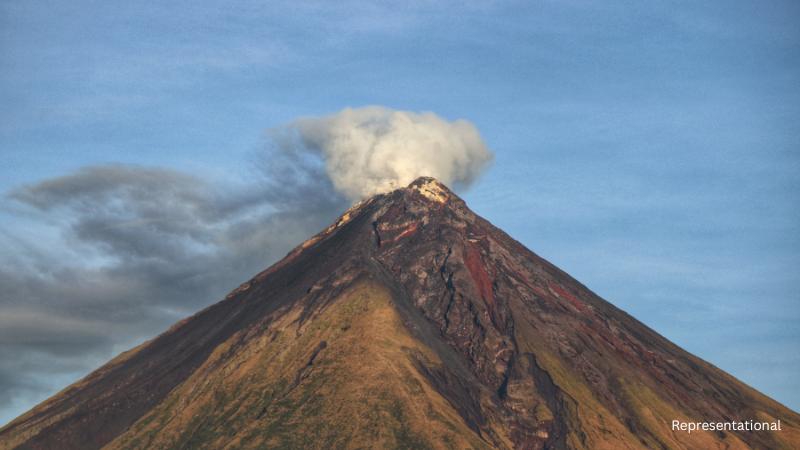
In the wake of this powerful quake, the Klyuchevskoy volcano, the tallest and most active in Eurasia, erupted spectacularly. Witnesses described a fiery glow lighting up the night sky as glowing streams of lava began to descend the western slope. The eruption was accompanied by powerful explosions, throwing ash and molten rock into the air while creating a dramatic plume visible for miles. This combination of seismic and volcanic activity is not unexpected for the region, which sits within the Pacific Ring of Fire, known for its frequent earthquakes and volcanic eruptions due to intense tectonic movements.
Local scientists reported that the volcano’s activity intensified quickly, with lava flows continuing to spread. Experts have stated that such volcanic eruptions following strong seismic events are common in tectonically active zones. Despite the dramatic scenes, authorities are closely monitoring the situation to assess the risks to nearby communities. The eruption and earthquake prompted immediate alerts and safety measures. Tsunami warnings were issued across the Pacific region, with emergency services urging residents of coastal areas to remain vigilant. Although the initial tsunami waves were not catastrophic, they served as a reminder of the potential dangers following such powerful geological events.
Residents of Petropavlovsk-Kamchatsky shared their harrowing experiences as the quake struck before sunrise. One local, Yaroslav, described the terrifying moments, saying it felt as though the walls could collapse at any second. The fear was compounded by aftershocks that continued to rattle the area throughout the day. Emergency response teams were deployed to assess structural damages, assist residents, and maintain order as the situation unfolded.
Authorities confirmed that while there were no immediate reports of large-scale casualties, the combination of earthquake damage and volcanic activity poses ongoing risks. The eruption of Klyuchevskoy is being closely studied by geologists who note that its activity remains dynamic and could continue for several days or even weeks. The Kamchatka Peninsula, with its dramatic landscape of volcanoes, is no stranger to such events. However, the magnitude of this earthquake and the subsequent eruption have made it one of the most significant natural occurrences in recent years in the region.
The spectacular yet dangerous display of nature’s force underscores the volatile environment in this part of the world. As the Pacific coastlines stay alert for potential tsunami waves and the skies around Kamchatka glow with volcanic activity, scientists continue to monitor the situation, emphasizing the importance of preparedness in areas prone to such powerful natural phenomena.