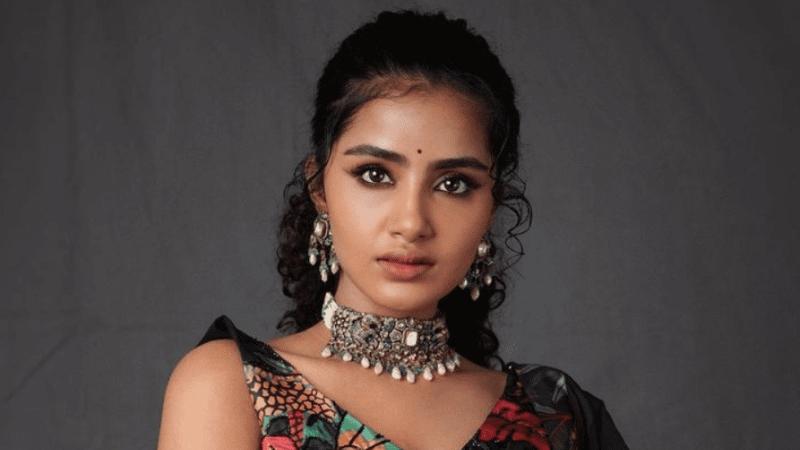
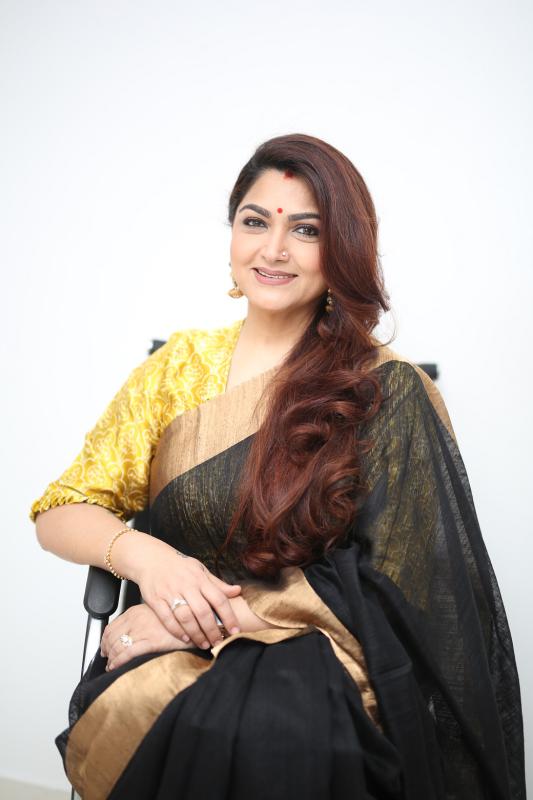
You’ve spoken about feeling insecure in the early days of your career. Can you share more about that journey and how it shaped you?
In the beginning, I was very insecure about my looks, especially my hair and eyebrows. I didn’t have the confidence to speak up about things that bothered me. But over time, I realized that being an actress comes with the responsibility of meeting audience expectations. I learned to voice my opinions and say no to things I wasn’t comfortable with. This journey helped me build the confidence I have today.
During the 2020-2021 lockdown, you mentioned experiencing a transformation. Could you elaborate on that?
Yes, during the lockdown, I worked on a short film, and that period of isolation gave me the time to reflect on my career and my emotional strength. I came out of it more confident, with a clearer perspective on what I want from my career. I became stronger emotionally and began accepting my unique traits. I also realized that I shouldn’t be boxed into one type of character, and I wanted to explore different roles that allowed me to showcase my full potential.
You mentioned wanting to break free from the same kinds of characters. What roles are you now looking to explore?
I want to break free from the typical roles I’ve been offered in the past and take on characters that challenge me. I admire actors who take risks and do unusual roles, even if they’re not always appreciated by everyone. It shows their dedication to the craft, and that’s something I aspire to as well. I want my roles to be diverse, and I’m excited about roles that give me the chance to grow as an actor.
You’ve worked on Parada, which has a lot of female presence behind the scenes. How do you feel about women playing key roles in cinema?
I am very proud of the fact that Parada has a significant female presence, with women in key positions like writers, editors, and cinematographers. Women bring a unique perspective to storytelling that can make female characters more authentic and relatable. They understand the nuances of women’s lives, like periods, and can add those details to make the story feel more grounded. I’m glad that the film industry is slowly becoming more inclusive in that sense.
How do you feel about the challenges women face in the film industry, and how do you handle them?
The film industry is still mostly male-dominated, and it can be difficult for women to speak up or be heard, especially when it comes to creative decisions. But I’ve learned to navigate this space by being confident and vocal about what I believe in. I’ve had situations where I had to question directors or challenge ideas, and I’ve always seen those debates as constructive rather than confrontational. I think it’s important for women to take up more space in these discussions.
What are your hopes for Parada’s future, and how do you want it to impact the industry?
I’m very proud of Parada and hope it succeeds in theaters. We’ve faced some difficulties finding buyers, but we all believe in the film and want it to be shown on the big screen. I want Parada to inspire more directors to take risks and explore unique stories. I hope it proves that good cinema can be both commercially successful and emotionally impactful, and that it leaves a lasting impact on both the industry and audiences.