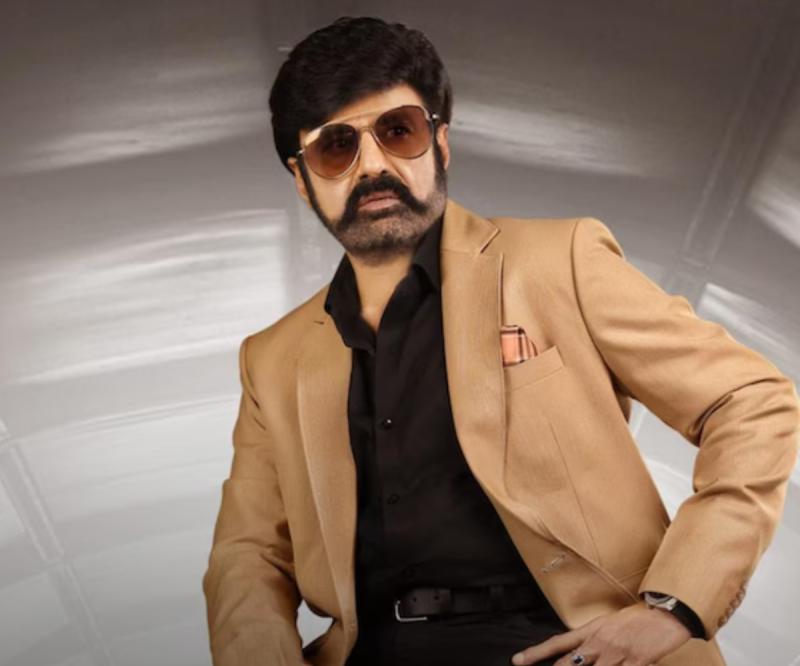
Balakrishna speaks on exhibitors’ struggle
The ongoing issue between exhibitors and producers or distributors in the Telugu film industry has become a serious concern, and Nandamuri Balakrishna has now reacted to it with a strong message. The exhibition sector, which has long been one of the biggest pillars of the film business, is facing pressure due to multiple problems, including revenue-sharing concerns and the irregular flow of major theatrical releases. Exhibitors have been raising their voice over the percentage system and the lack of enough big films, arguing that theatres cannot survive throughout the year if major releases arrive only during limited festival windows.
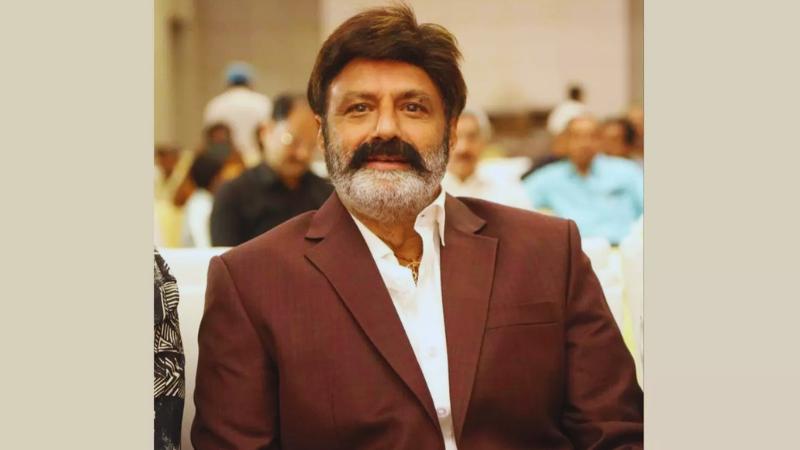
Balakrishna addressed this problem while speaking at a public event and made it clear that the issue should not be ignored. According to him, the industry has a collective responsibility to make more films and ensure that theatres continue to get steady content. His reaction has gained attention because he did not treat the matter as a small business disagreement. Instead, he highlighted the survival problem faced by exhibitors, especially those who are struggling to keep theatres running without regular footfalls.
The biggest complaint from exhibitors is simple: theatres need films to survive. A cinema hall cannot depend only on a few star releases in a year. Maintenance costs, staff salaries, electricity bills, rent, renovation expenses and operational costs continue every month, whether a big film releases or not. When there is no proper lineup of crowd-pulling films, theatre owners are forced to run smaller films with limited audience interest or keep screens underutilized. In some cases, exhibitors are reportedly locking their properties because running theatres without enough business has become financially risky.
Balakrishna’s statement directly addressed this painful reality. He said it is sad to see exhibitors locking up their properties because there is no adequate flow of films. He also reminded the industry that films were being made more actively even when filmmaking did not have today’s technological advancements. His point was sharp: the industry now has better equipment, improved production facilities, advanced post-production tools and wider market reach, yet the pace of filmmaking has slowed down. That gap is hurting the exhibition sector.
Big heroes and regular releases become the key debate
Balakrishna also stressed the need for big heroes to do multiple films at a consistent pace. This is an important point because star-driven films still play a major role in bringing audiences to theatres. While content-oriented cinema has its own space, the business model of many single screens and mass circuits still depends heavily on big-star releases. When top heroes take long gaps between films, the theatre ecosystem suffers. Exhibitors may get huge collections during one big release, but that cannot compensate for months of weak occupancy.
His comments also put pressure on the larger Telugu film industry to rethink its working pattern. In recent years, many big films have taken longer production cycles due to large budgets, pan-India planning, extensive visual effects, multiple schedules and marketing delays. While this approach may help create bigger cinematic experiences, it also reduces the number of films reaching theatres. The opportunity cost is clear: when stars spend two or three years on one film, exhibitors lose multiple possible crowd-pulling releases during that period.
Balakrishna’s own career is being seen as an example in this discussion. He has remained relatively consistent with his releases and has made sure that he has at least one film coming out within a reasonable period. His work rate gives weight to his statement because he is not simply advising others from the sidelines. He is pointing toward a practical model where big actors continue to work regularly and keep the theatrical market active.
The exhibitor problem cannot be solved only by emotional statements, but Balakrishna’s response is still significant because it brings the issue into public discussion. Producers, distributors, actors and theatre owners need to find a healthier balance. Revenue-sharing disputes must be handled transparently, release planning must become more organized, and big films should not cluster only around Sankranti, summer or festival seasons. A better year-round release calendar would help theatres, distributors, producers and audiences.
The Telugu film industry has grown enormously in scale, but growth should not come at the cost of the theatre network that helped build its popularity. Exhibitors are the final link between films and audiences. If theatres shut down, especially in smaller towns and single-screen markets, the industry loses not just screens but also cultural spaces where fans celebrate cinema. Balakrishna’s reaction is a reminder that the industry cannot afford to ignore this backbone.
For now, his comments have opened an important conversation. The exhibition sector needs support not through sympathy alone, but through steady film production, practical business terms and smarter release strategies. If top stars, producers and distributors take this concern seriously, the Telugu film industry can protect its theatres and maintain a healthier theatrical ecosystem. Otherwise, the problem may deepen, and more exhibitors may find it difficult to survive in a market that gives them too few major films to depend on.