Plot
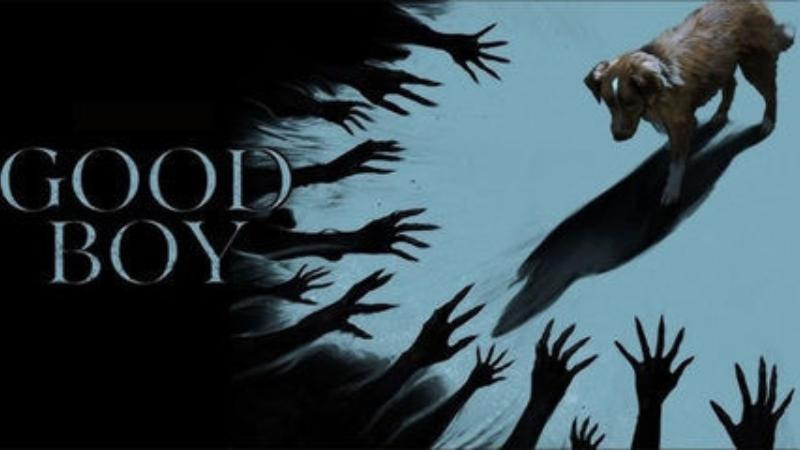
Ben Leonberg’s Good Boy is a 73-minute horror film told from an unconventional viewpoint — that of a loyal dog. Indy, a Nova Scotia Duck Tolling Retriever, lives with his owner Todd (Shane Jensen), a man recovering from illness and trauma. Seeking peace, Todd moves to his late grandfather’s isolated woodland home. But the silence soon turns sinister. As Todd’s health worsens and paranoia sets in, Indy becomes the helpless witness and protector in a terrifying descent into madness. The line between reality and illusion blurs — are they haunted by an external force, or by the echoes of Todd’s unraveling mind through Indy’s frightened perception?
Overview
Good Boy redefines the horror genre by trading gore for empathy and atmosphere. Director Ben Leonberg and co-writer Alex Cannon craft a deeply emotional, sensory experience rooted in loyalty and isolation. Instead of shocking audiences with traditional scares, the film draws tension from sound, perspective, and emotional bond. The story unfolds through the eyes and instincts of Indy, allowing viewers to feel fear and confusion as an animal might — raw, instinctual, and heartbreaking.
Performances
Shane Jensen delivers a controlled and layered portrayal of Todd — fragile, unpredictable, and humanly flawed. His performance balances tenderness and menace with subtle intensity. But the soul of the movie is Indy, whose expressive eyes and natural reactions drive the emotional narrative. Larry Fessenden’s cameo as Todd’s grandfather, seen through old VHS tapes, adds a haunting nostalgic element that enhances the film’s eerie tone.
Technical Aspects
The direction is minimal yet immersive, with Leonberg prioritizing perspective over spectacle. Wade Grebnoel’s cinematography captures the haunting stillness of the forest and the dim interiors with painterly precision. The use of low angles and tracking shots creates a true “dog’s-eye” view of terror, while Curtis Roberts’ editing ensures the transition between calm and chaos feels organic. The lighting and framing elevate psychological unease over visual shock.
Music
Rather than relying on a heavy score, the film thrives on sound design. Every rustle, creak, and bark becomes part of the auditory narrative. The minimalistic approach amplifies suspense — we hear the world as Indy does. Silence, in particular, is weaponized masterfully to convey dread and emotional weight.
Editing
The pacing reflects the film’s psychological rhythm — slow and contemplative in the first half, accelerating toward panic in the climax. Roberts’ editing keeps the tension simmering and blurs the boundary between real and imagined, enhancing the dog’s confused, sensory-driven experience.
Positives
- Innovative and heartfelt storytelling from a dog’s perspective
- Exceptional sound design and cinematography
- Deep emotional core beneath the horror
- Subtle yet strong performances
- Evocative direction that blends empathy and fear
Negatives
- Could benefit from a shorter runtime
- Some repetitive scares reduce impact
- Ambiguity might frustrate viewers expecting traditional horror payoffs
Analysis
Good Boy isn’t just a horror film — it’s an emotional exploration of loyalty, loss, and fear. Leonberg transforms a simple premise into an intimate study of how creatures — human or animal — process isolation and grief. The movie’s strength lies in its empathy; Indy’s devotion turns every moment of terror into a reflection of love and vulnerability. Though not flawless in pacing, it’s a poignant and original addition to modern horror that values emotion over jump scares.
Bottomline: Hauntingly Loyal
Rating: 3.5 / 5